





- Lior mor
- •
- 7 Min Read
- •
- 2 hours ago
Key Points
- U.S. stocks advanced after reports that Pakistan, with support from China, is exploring new diplomatic efforts to restart U.S.-Iran negotiations, easing concerns over an immediate escalation in the Middle East.
- Oil prices retreated sharply, with Brent crude falling back to around $95 per barrel and West Texas Intermediate dropping to above $88, reducing pressure on inflation expectations.
- While most sectors gained, semiconductor stocks weakened despite Intel's stronger-than-expected earnings, highlighting continued volatility in the AI and chip sectors.
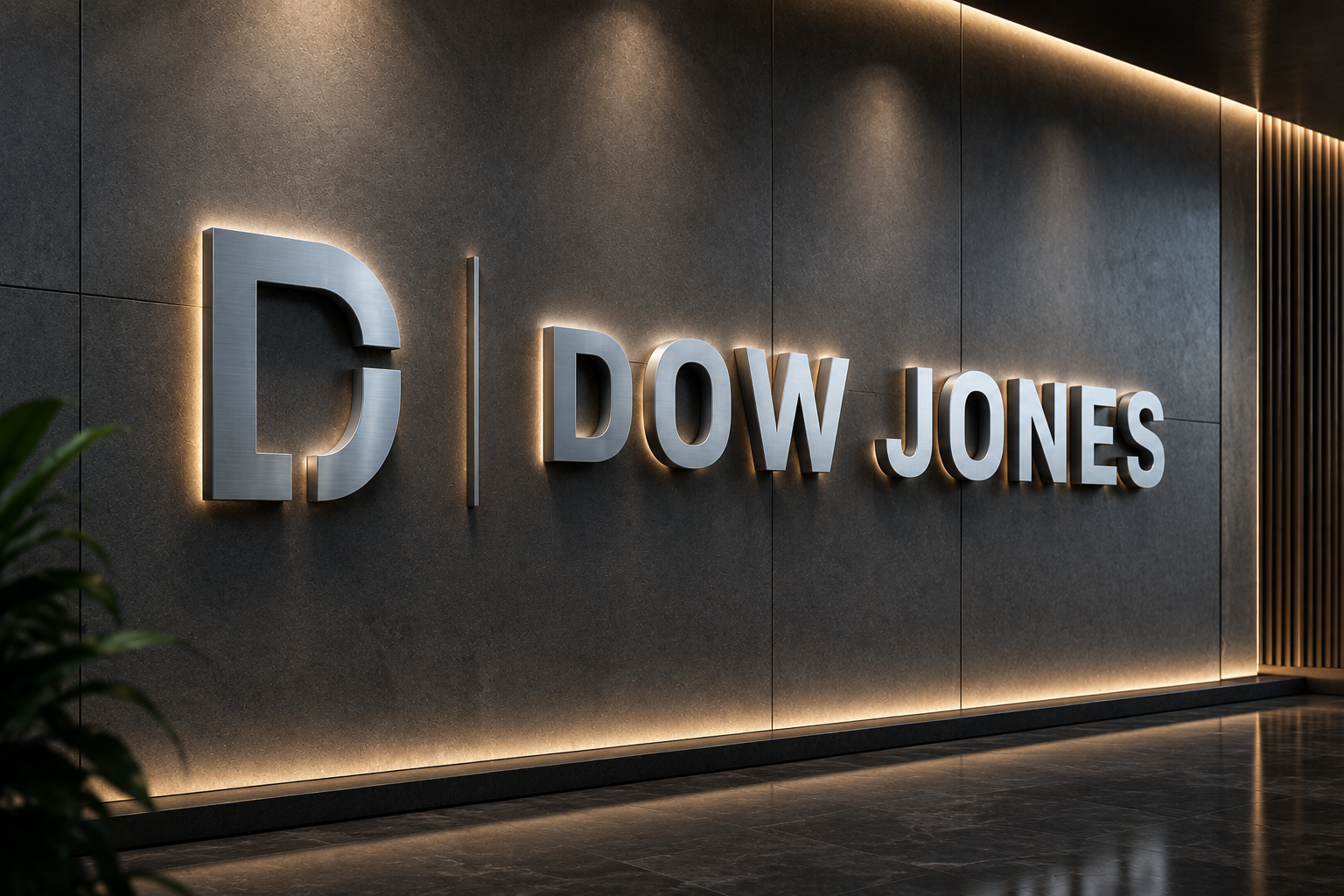
U.S. equities moved higher on Friday after reports suggesting new diplomatic efforts could revive negotiations between the United States and Iran, easing fears of a prolonged disruption to global energy supplies. The decline in oil prices helped lift investor sentiment, supporting gains across most sectors even as semiconductor stocks remained under pressure.
The market’s reaction underscored how closely investors are monitoring geopolitical developments in the Middle East, with energy prices continuing to play a central role in shaping expectations for inflation, interest rates, and corporate earnings.
Diplomatic Reports Ease Energy Market Concerns
Investor optimism increased following reports that Pakistan is considering facilitating renewed peace discussions between the United States and Iran, with China reportedly encouraging the diplomatic initiative.
Although significant obstacles remain before formal negotiations could begin, the prospect of renewed dialogue reduced concerns that the conflict would further disrupt global crude supplies.
The improved outlook prompted a broad pullback in oil prices. Brent crude, which had climbed above $100 per barrel earlier in the week, fell roughly 4% to around $95 per barrel. U.S. benchmark West Texas Intermediate also declined approximately 4%, trading above $88 per barrel.
Lower energy prices helped alleviate immediate inflation concerns and supported buying across the broader equity market.
Stocks Rise Despite Ongoing Geopolitical Risks
The Dow Jones Industrial Average climbed more than 300 points, supported by a strong gain in Apple shares. The S&P 500 also advanced, while the Nasdaq Composite traded little changed as weakness in semiconductor stocks offset gains in other technology names.
Most major sectors finished higher, with real estate and communication services leading the advance.
Despite Friday’s rebound, investors remain cautious following recent statements from President Donald Trump indicating that military action against Iran remains under consideration. U.S. military operations have continued in the region, reinforcing uncertainty surrounding future energy supplies and global economic stability.
Market participants continue to evaluate whether diplomatic developments can reduce geopolitical tensions or whether further escalation remains likely.
Chip Stocks Face Profit-Taking Despite Strong Earnings
Semiconductor shares underperformed the broader market, reflecting continued volatility in one of this year’s strongest-performing sectors.
Intel declined after initially rising, despite reporting quarterly results that exceeded Wall Street expectations. Other chipmakers, including Broadcom, Advanced Micro Devices, and Micron Technology, also moved lower, while the VanEck Semiconductor ETF retreated.
Market analysts suggested the weakness reflected short-term positioning rather than a deterioration in the industry’s long-term outlook. Strong demand for artificial intelligence infrastructure and data center investments continues to support expectations for earnings growth across the semiconductor industry through 2026 and 2027.
Meanwhile, investors also continue to assess how lower energy prices may influence the Federal Reserve’s inflation outlook. Although recent oil volatility has complicated the policy picture, many market participants still expect policymakers to keep interest rates unchanged at the upcoming meeting while monitoring inflation and geopolitical developments.
Looking ahead, financial markets are likely to remain highly sensitive to headlines surrounding Middle East diplomacy, oil price movements, and corporate earnings. Any meaningful progress toward renewed negotiations could further ease energy market concerns, while renewed escalation would likely increase volatility across equities, commodities, and global financial markets.
Comparison, examination, and analysis between investment houses
Leave your details, and an expert from our team will get back to you as soon as possible
* This article, in whole or in part, does not contain any promise of investment returns, nor does it constitute professional advice to make investments in any particular field.
To read more about the full disclaimer, click here
- orshu
- •
- 8 Min Read
- •
- ago 1 hour
SKN | Tel Aviv Stocks Advance as TA-35 Extends Gains While Bond Market Continues to Weaken
Israeli equities closed higher on Friday, July 24, with blue-chip stocks leading the market as investors continued to selectively increase
- ago 1 hour
- •
- 8 Min Read
Israeli equities closed higher on Friday, July 24, with blue-chip stocks leading the market as investors continued to selectively increase
- orshu
- •
- 6 Min Read
- •
- ago 1 hour
SKN | European Markets Close Higher as Investors Embrace Earnings Optimism
European equity markets closed firmly higher on July 24, with investors responding positively to corporate earnings, resilient economic expectations,
- ago 1 hour
- •
- 6 Min Read

European equity markets closed firmly higher on July 24, with investors responding positively to corporate earnings, resilient economic expectations,
- orshu
- •
- 6 Min Read
- •
- ago 4 hours
SKN | U.S. Markets Trade Mixed as Technology Weakness Offsets Strength in Blue Chips
U.S. equity markets traded mixed on July 24 as investors weighed a fresh wave of corporate earnings against concerns
- ago 4 hours
- •
- 6 Min Read

U.S. equity markets traded mixed on July 24 as investors weighed a fresh wave of corporate earnings against concerns
- orshu
- •
- 7 Min Read
- •
- ago 8 hours
SKN | Asia Markets End Week Lower on July 24, 2026 as South Korea and Japan Lead Regional Selloff
Asian markets closed sharply lower on July 24, 2026, as investors adopted a risk-off stance to end the trading week.
- ago 8 hours
- •
- 7 Min Read

Asian markets closed sharply lower on July 24, 2026, as investors adopted a risk-off stance to end the trading week.


