





- orshu
- •
- 6 Min Read
- •
- 4 hours ago
Key Points
- European equities moved lower, with major indices declining as investors evaluated economic conditions and corporate developments.
- Eurozone and UK markets faced broad-based pressure, with the EURO STOXX 50 falling 1.69%, while Germany’s DAX declined 1.56%.
- Currency markets reflected cautious sentiment, as both the Euro Index and British Pound Index weakened during the session.
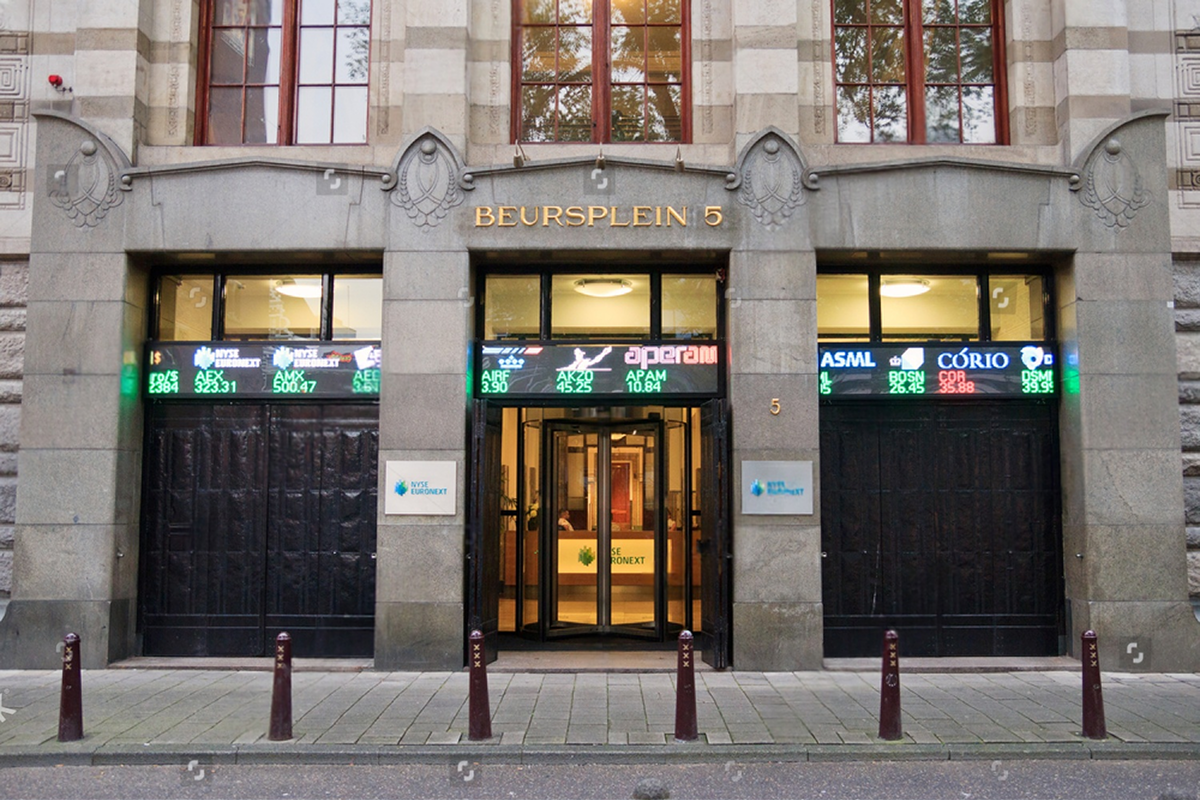
European markets closed lower on July 23 as investors continued to assess the region’s economic outlook, corporate earnings environment, and broader global market uncertainty. Equity declines were widespread across major European exchanges, reflecting renewed caution toward growth-sensitive sectors.
The session highlighted ongoing challenges facing European investors, including questions surrounding economic momentum, monetary policy expectations, and the ability of companies to navigate a complex global environment. Weakness across several major indices indicated a broad risk reduction rather than isolated sector-specific pressure.
Major European Indices Face Broad Selling Pressure
The EURO STOXX 50 declined 1.69% to 6,210.17, marking one of the sharpest moves lower among major European benchmarks. The index, which represents some of the largest companies in the eurozone, reflected widespread weakness across large-cap equities.
Germany’s DAX fell 1.56% to 24,763.12, while France’s CAC 40 declined 1.64% to 8,299.09. The declines suggest that investors remained cautious toward major European economies despite continued corporate efforts to improve profitability and adapt to changing market conditions.
The broader MSCI Europe Index declined 1.45% to 2,769.24, indicating that weakness extended beyond individual national markets. The broad decline reflects investor sensitivity to economic data, earnings expectations, and global market movements.
UK and Regional Markets Reflect Increased Investor Caution
The FTSE 100 declined 0.73% to 10,639.17, outperforming several continental European benchmarks but still ending the session lower. The UK market’s relative resilience was supported by its different sector composition, including greater exposure to energy, financials, and defensive companies.
However, the broader European decline indicates that investors remain focused on macroeconomic factors affecting the region. Inflation trends, interest rate expectations, and consumer demand remain important drivers of market sentiment as European economies continue adjusting to a higher-rate environment.
For international investors, including those monitoring European opportunities from Israel, movements in European equity markets provide important signals regarding global risk appetite and capital allocation trends. European companies remain closely connected to global supply chains, currency movements, and international trade conditions.
Currency Markets Signal Continued Market Uncertainty
The Euro Index declined 0.30% to 113.78, while the British Pound Index fell 0.44% to 133.18. Currency weakness reflected a more cautious market environment as investors evaluated economic prospects and relative monetary policy expectations.
Currency movements remain an important consideration for multinational European companies, as fluctuations can influence international revenue translation and competitiveness. A weaker currency may support exporters but can also affect inflation dynamics through import costs.
Looking ahead, investors will continue monitoring European economic indicators, central bank policy signals, corporate earnings updates, and global market trends. The next market direction will likely depend on whether economic data supports expectations of stabilization or points toward further challenges. Key areas to watch include consumer activity, industrial performance, inflation developments, and the ability of European companies to maintain earnings growth in a changing global environment.
Comparison, examination, and analysis between investment houses
Leave your details, and an expert from our team will get back to you as soon as possible
* This article, in whole or in part, does not contain any promise of investment returns, nor does it constitute professional advice to make investments in any particular field.
To read more about the full disclaimer, click here
- omer bar
- •
- 6 Min Read
- •
- ago 32 minutes
SKN | S&P 500 Sheds More Than $600 Billion in Market Value as Risk Aversion Returns
The U.S. equity market came under significant pressure during the latest trading session, with veteran New York Stock Exchange
- ago 32 minutes
- •
- 6 Min Read

The U.S. equity market came under significant pressure during the latest trading session, with veteran New York Stock Exchange

- orshu
- •
- 6 Min Read
- •
- ago 7 hours
SKN | Wall Street Faces Pressure as Nasdaq Declines Amid Investor Caution
U.S. equity markets opened under pressure on July 23, with technology stocks leading a broad decline as investors reassessed
- ago 7 hours
- •
- 6 Min Read

U.S. equity markets opened under pressure on July 23, with technology stocks leading a broad decline as investors reassessed
- orshu
- •
- 7 Min Read
- •
- ago 10 hours
SKN | Asia Markets Rally on July 23, 2026 as South Korea Surges Above 7,000 and Hong Kong Extends Gains
Asian markets closed broadly higher on July 23, 2026, with investors extending the recovery that has gradually taken shape over
- ago 10 hours
- •
- 7 Min Read

Asian markets closed broadly higher on July 23, 2026, with investors extending the recovery that has gradually taken shape over
- orshu
- •
- 6 Min Read
- •
- ago 13 hours
SKN | European Markets Retreat as Broad-Based Selling Hits Major Equity Benchmarks
European markets closed lower on July 23, 2026, as selling pressure spread across the region's major equity benchmarks. Investors moved
- ago 13 hours
- •
- 6 Min Read

European markets closed lower on July 23, 2026, as selling pressure spread across the region's major equity benchmarks. Investors moved


