





- Lior mor
- •
- 6 Min Read
- •
- 1 day ago
Key Points
- Brent crude climbed above $100 per barrel for the first time since late May after attacks on Saudi oil tankers heightened concerns over global energy supplies.
- The escalation between Iran-backed Houthi forces, the United States, and Iran has intensified fears of broader regional conflict and potential disruptions to critical shipping routes.
- Analysts warn that a prolonged conflict could push oil prices well beyond current levels, increasing inflation risks and volatility across global financial markets.
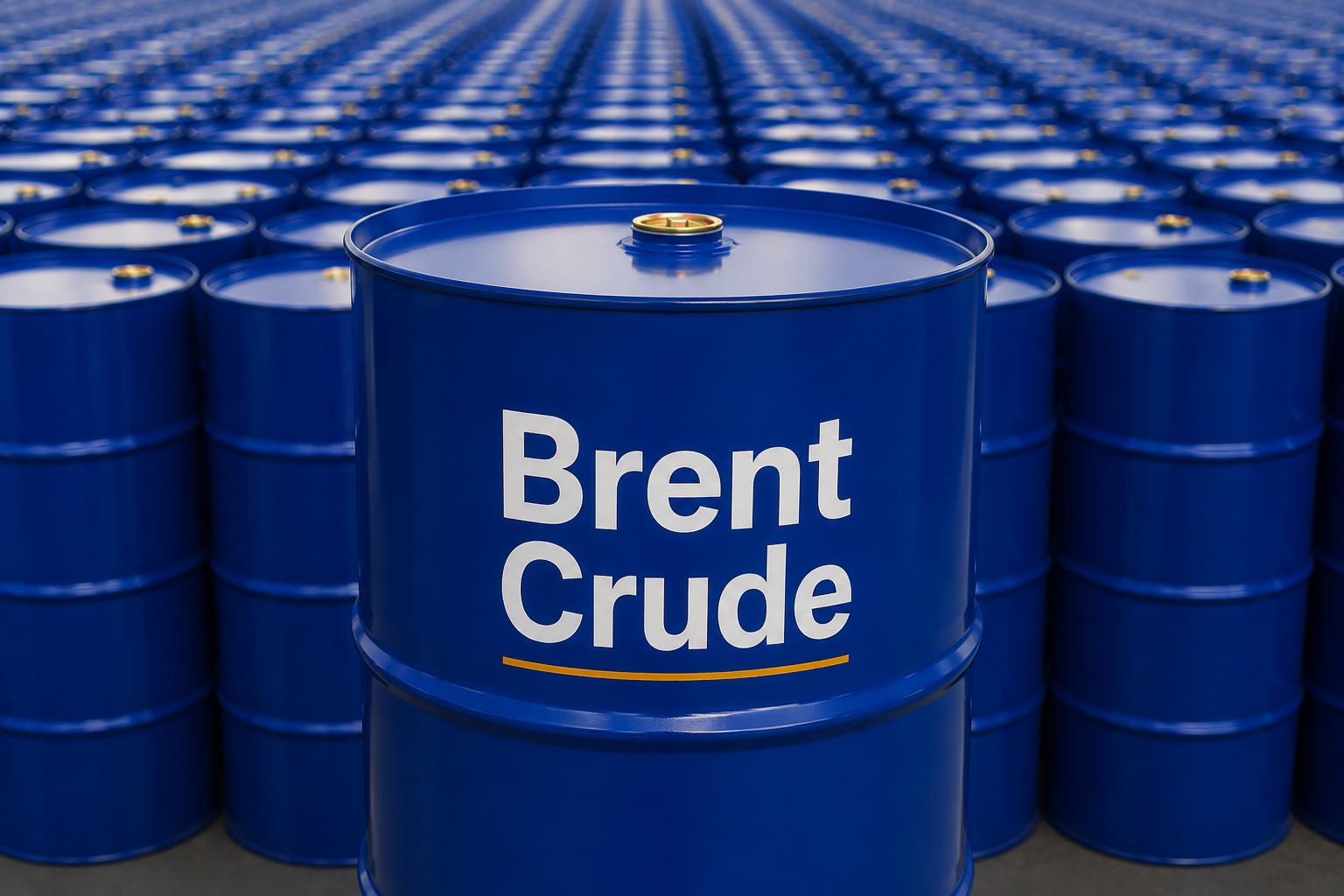
Oil prices surged sharply on Thursday as escalating military tensions in the Middle East raised fresh concerns over global energy security. Brent crude climbed above the $100-per-barrel threshold after Iran-backed Houthi militants claimed responsibility for attacks on two Saudi oil tankers in the Red Sea, while renewed threats exchanged between Washington and Tehran fueled fears of a wider regional conflict.
The latest developments have added to an already volatile energy market, where geopolitical risks continue to outweigh concerns about global demand and reinforce expectations of tighter oil supplies.
Red Sea Attacks Intensify Supply Disruption Fears
Brent crude rose more than 7% to trade above $100 per barrel, while U.S. West Texas Intermediate crude climbed above $92 per barrel. Both benchmarks have posted substantial gains this month as conflict across the Middle East has intensified.
The Houthi movement in Yemen said it targeted two Saudi oil tankers using drones and missiles, claiming the vessels violated a recently declared maritime embargo against Saudi Arabia. The attacks have heightened concerns over the security of one of the world’s most important energy transportation corridors.
The Red Sea remains a vital route for global oil shipments, and any sustained disruption could significantly affect energy markets by increasing transportation costs and reducing available supply.
Military Threats Raise Risk of Broader Regional Conflict
Geopolitical tensions escalated further after President Donald Trump warned that the United States would hold Iran responsible for future Houthi attacks on commercial shipping. He also threatened military action against Iranian infrastructure if attacks continued.
Iran responded by warning that any strikes against its infrastructure would prompt retaliation against regional facilities linked to U.S. interests, including critical energy assets.
The increasingly aggressive rhetoric from both sides has raised concerns that the conflict could expand beyond isolated maritime incidents into a broader regional confrontation involving energy infrastructure throughout the Gulf.
Such an escalation could significantly disrupt global oil exports from one of the world’s largest producing regions.
Analysts Warn of Further Upside Risk for Oil Prices
Energy market analysts caution that current prices may not fully reflect the potential consequences of a wider regional conflict. Continued attacks on shipping lanes or direct strikes on oil production and export facilities could trigger another significant rally in crude prices.
Additional supply risks are also emerging outside the Middle East. Ongoing disruptions affecting Black Sea shipping and pipeline operations linked to the Russia-Ukraine conflict continue to tighten global supply conditions, limiting alternative export routes for crude producers.
The combination of geopolitical instability across multiple regions has strengthened expectations that oil markets will remain highly volatile. Elevated crude prices also increase the risk of persistent inflation, potentially complicating monetary policy decisions for central banks while adding pressure to transportation, manufacturing, and consumer energy costs worldwide.
Looking ahead, investors will closely monitor developments in the Red Sea, the Strait of Hormuz, and other critical energy corridors. Any further attacks on shipping infrastructure or direct military escalation could drive oil prices even higher, with broad implications for inflation, global economic growth, and financial market stability.
Comparison, examination, and analysis between investment houses
Leave your details, and an expert from our team will get back to you as soon as possible
* This article, in whole or in part, does not contain any promise of investment returns, nor does it constitute professional advice to make investments in any particular field.
To read more about the full disclaimer, click here
- Ronny Mor
- •
- 6 Min Read
- •
- ago 2 hours
SKN | Crude Oil Retreats on Hopes for Renewed U.S.-Iran Diplomacy Despite Ongoing Middle East Conflict
Crude oil prices retreated sharply on Friday after reports suggested that Pakistan, with support from China, is working to revive
- ago 2 hours
- •
- 6 Min Read

Crude oil prices retreated sharply on Friday after reports suggested that Pakistan, with support from China, is working to revive
- Ronny Mor
- •
- 6 Min Read
- •
- ago 15 hours
SKN | Oil Prices Surge Above Key Levels as Middle East Tensions Threaten Global Supply Routes
Oil prices surged after renewed conflict in the Middle East intensified concerns about global energy supplies, pushing Brent crude above
- ago 15 hours
- •
- 6 Min Read

Oil prices surged after renewed conflict in the Middle East intensified concerns about global energy supplies, pushing Brent crude above

- omer bar
- •
- 7 Min Read
- •
- ago 3 days
SKN | Oil Rallies to Five-Week High as Middle East Tensions and Supply Risks Intensify
Crude oil prices extended their rally for a third consecutive trading session, climbing above $84 per barrel to their highest
- ago 3 days
- •
- 7 Min Read

Crude oil prices extended their rally for a third consecutive trading session, climbing above $84 per barrel to their highest

- sagi habasov
- •
- 6 Min Read
- •
- ago 4 days
SKN | Oil Prices Slip as US-Iran Ceasefire Proposal Offsets Persistent Middle East Supply Risks
Global oil prices moved lower on Tuesday as investors responded to reports that international mediators had proposed a temporary ceasefire
- ago 4 days
- •
- 6 Min Read
Global oil prices moved lower on Tuesday as investors responded to reports that international mediators had proposed a temporary ceasefire


