





- orshu
- •
- 5 Min Read
- •
- 7 hours ago
Key Points
- Escalating U.S.-Iran tensions could increase volatility across energy, defense, transportation, and financial markets.
- Oil prices and inflation expectations may rise if supply routes or regional energy infrastructure face disruption.
- Israeli and global investors are closely monitoring geopolitical developments alongside central bank policy and corporate earnings.
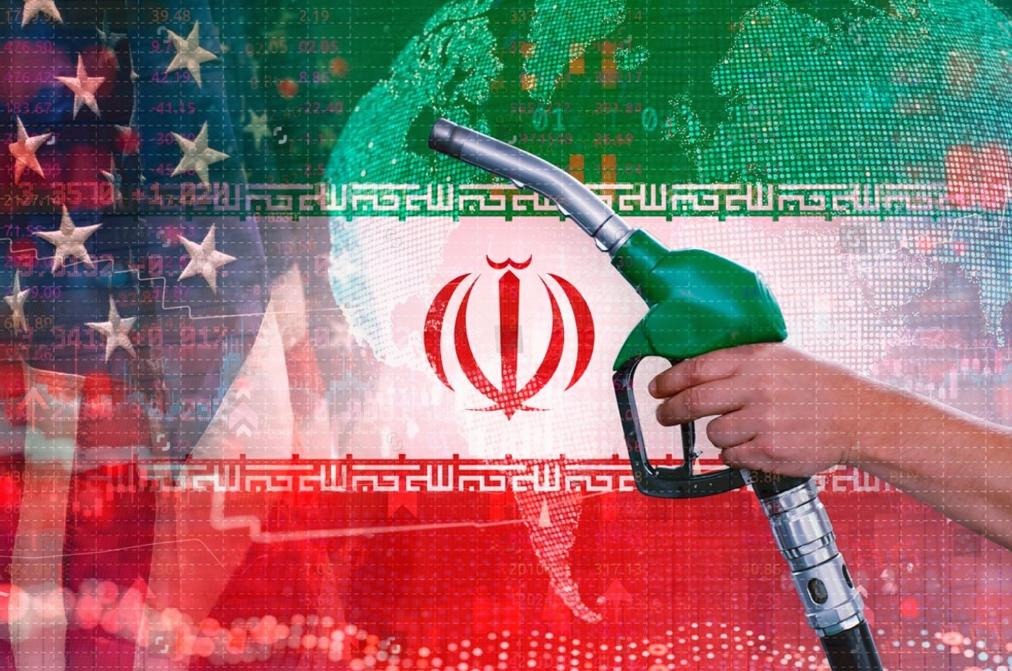
Renewed geopolitical tensions involving the United States and Iran have once again become a focal point for global financial markets. While the long-term economic impact remains uncertain, investors are evaluating how a prolonged conflict could influence commodity prices, inflation, corporate profitability, and broader market sentiment across multiple asset classes.
Energy Markets Could Face the Greatest Immediate Impact
Historically, heightened tensions in the Middle East have had the most immediate effect on global energy markets. Any disruption to oil production, export facilities, or major shipping routes such as the Strait of Hormuz could tighten global crude supplies and place upward pressure on oil and natural gas prices. Higher energy costs typically ripple through transportation, manufacturing, and consumer goods, increasing inflationary pressures that central banks have been attempting to contain.
Sector Rotation May Intensify Across Global Equity Markets
Periods of geopolitical uncertainty often lead investors to reassess sector exposure. Defense companies frequently attract attention as governments review military spending, while energy producers may benefit from stronger commodity prices. Conversely, industries with significant fuel costs—including airlines, logistics companies, and some manufacturers—could experience margin pressure if energy prices remain elevated. Financial markets may also experience increased volatility as investors rebalance portfolios toward defensive assets.
For Israeli investors, these developments carry additional significance. Israel’s equity market has historically shown sensitivity to regional geopolitical developments, although diversified global exposure among many listed companies may help moderate the broader economic impact. Currency movements, sovereign bond yields, and investor risk appetite are also likely to remain closely monitored.
Macroeconomic Outlook Depends on the Duration of the Conflict
The broader economic consequences will largely depend on whether tensions remain contained or evolve into a prolonged regional conflict. A sustained increase in commodity prices could complicate the inflation outlook, potentially influencing future monetary policy decisions by major central banks, including the U.S. Federal Reserve. Businesses with global supply chains may also face higher transportation costs and longer delivery times if regional shipping routes are affected.
Looking ahead, investors will closely monitor diplomatic developments, energy market stability, inflation data, and central bank communication for clearer indications of how geopolitical risks may translate into financial market performance. The duration and scope of the conflict will likely determine whether current market volatility remains temporary or develops into a broader macroeconomic challenge affecting global growth.
Comparison, examination, and analysis between investment houses
Leave your details, and an expert from our team will get back to you as soon as possible
* This article, in whole or in part, does not contain any promise of investment returns, nor does it constitute professional advice to make investments in any particular field.
To read more about the full disclaimer, click here
- orshu
- •
- 6 Min Read
- •
- ago 2 hours
SKN | Coinbase, Micron, Nebius Lead Midday Movers as Earnings, AI Optimism, and M&A Activity Drive U.S. Stocks
U.S. equities traded mixed during midday trading as investors balanced another wave of corporate earnings against expectations for monetary policy
- ago 2 hours
- •
- 6 Min Read

U.S. equities traded mixed during midday trading as investors balanced another wave of corporate earnings against expectations for monetary policy
- orshu
- •
- 9 Min Read
- •
- ago 11 hours
SKN | Tel Aviv Equities Rally Broadly as TA-35 and TA-125 Advance on Strong Market Participation
Tel Aviv financial markets are trading significantly higher as broad-based buying returns across major equity benchmarks. The TA-35, TA-90, and
- ago 11 hours
- •
- 9 Min Read

Tel Aviv financial markets are trading significantly higher as broad-based buying returns across major equity benchmarks. The TA-35, TA-90, and
- orshu
- •
- 8 Min Read
- •
- ago 16 hours
SKN | Global Markets Wrap: July 20, 2026 Performance Review as Asian Markets Face Sharp Losses While Investors Prepare for July 21 Trading Outlook
Global markets ended July 20, 2026 with a cautious tone as investors assessed renewed weakness across several regions while monitoring
- ago 16 hours
- •
- 8 Min Read

Global markets ended July 20, 2026 with a cautious tone as investors assessed renewed weakness across several regions while monitoring

- Lior mor
- •
- 8 Min Read
- •
- ago 19 hours
SKN | Asian Markets Mixed as South Korea, Japan, and China Rebound While India and Australia Lag
Asian equity markets traded with mixed performance on Tuesday morning, July 21, as investors returned to several Northeast Asian markets
- ago 19 hours
- •
- 8 Min Read

Asian equity markets traded with mixed performance on Tuesday morning, July 21, as investors returned to several Northeast Asian markets


