





- orshu
- •
- 7 Min Read
- •
- 18 hours ago
Key Points
- Global oil prices have remained relatively stable despite five months of military conflict involving the United States and Iran.
- Strong global oil supply, spare production capacity, and uninterrupted shipping through key export routes have helped contain price volatility.
- Energy markets continue to focus on supply fundamentals rather than geopolitical headlines, although risks remain elevated.
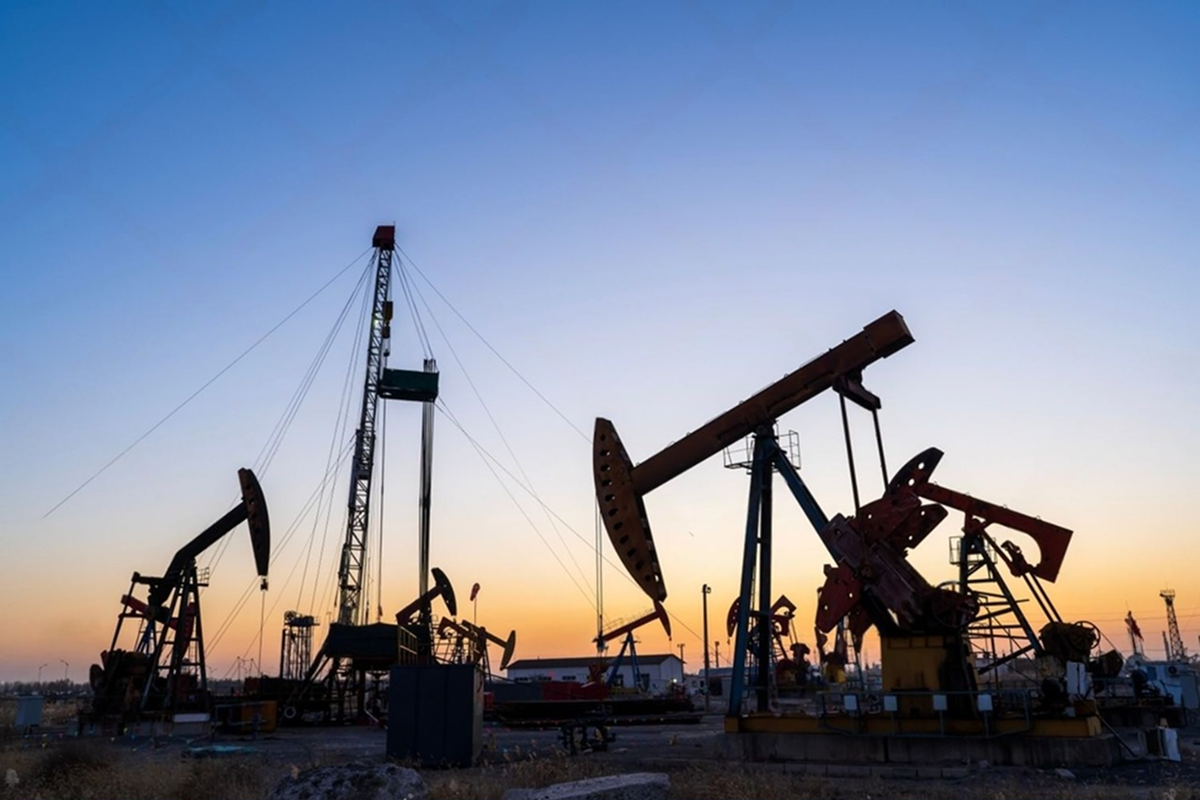
Despite five months of military conflict involving the United States and Iran, global oil prices have avoided the dramatic surge that many market participants initially feared. Instead of reacting solely to geopolitical tensions, energy markets have remained largely anchored by supply fundamentals, resilient production levels, and confidence that major export routes have continued operating without prolonged disruption.
The market’s relatively measured response illustrates how global energy traders increasingly distinguish between geopolitical risk and actual supply interruptions, placing greater emphasis on physical oil availability than on political developments alone.
Oil Supply Has Proven More Resilient Than Expected
Historically, military conflicts involving major oil-producing regions have often resulted in sharp increases in crude prices. However, the current conflict has not produced the widespread disruption to global energy supplies that many analysts anticipated.
According to Reuters, production from major oil-exporting countries has remained relatively stable, while additional supply from other producers has helped offset regional uncertainty. The absence of sustained disruptions to critical shipping lanes, particularly through the Strait of Hormuz, has also eased concerns over immediate shortages in global crude markets.
As long as oil continues flowing through established export routes, traders appear more focused on actual inventory levels and production capacity than on geopolitical headlines.
Demand Conditions Have Balanced Geopolitical Risks
At the same time, the global demand outlook has remained relatively balanced. Slower economic growth in some regions, combined with improving energy efficiency and evolving consumption patterns, has reduced upward pressure on crude prices even as geopolitical uncertainty persists.
Investors are also closely monitoring production policies from OPEC+, which retains significant spare production capacity that could be deployed if supply disruptions become more severe. This additional capacity has helped reassure markets that global oil supplies could be stabilized if necessary.
The combination of resilient supply and moderate demand growth has prevented the conflict from translating into the type of sustained price spike seen during previous geopolitical crises.
Geopolitical Risk Remains an Important Market Variable
Although oil prices have remained relatively stable, geopolitical risk continues to represent a significant source of uncertainty for energy markets. Any escalation affecting major production facilities, export terminals, or critical shipping infrastructure could quickly alter market expectations.
For Israel, developments in the Middle East remain especially significant. As a regional economy closely linked to global financial markets, Israel is sensitive to fluctuations in energy prices, shipping costs, inflation expectations, and broader geopolitical developments. Stable oil prices help reduce inflationary pressure on businesses and consumers while supporting greater predictability across financial markets.
Institutional investors also continue evaluating how geopolitical developments may affect energy companies, transportation industries, manufacturing, and central bank policy worldwide.
Looking ahead, market participants will closely monitor developments in the U.S.-Iran conflict, shipping activity through the Strait of Hormuz, OPEC+ production decisions, and global inventory data. Economic growth in major consuming nations, including the United States, China, and Europe, will also remain an important driver of oil demand. While energy markets have demonstrated resilience thus far, any disruption to physical supply or strategic export routes could quickly reshape pricing dynamics and investor sentiment across global commodity markets.
Comparison, examination, and analysis between investment houses
Leave your details, and an expert from our team will get back to you as soon as possible
* This article, in whole or in part, does not contain any promise of investment returns, nor does it constitute professional advice to make investments in any particular field.
To read more about the full disclaimer, click here
- orshu
- •
- 9 Min Read
- •
- ago 4 hours
SKN | Tel Aviv Equities Rally Broadly as TA-35 and TA-125 Advance on Strong Market Participation
Tel Aviv financial markets are trading significantly higher as broad-based buying returns across major equity benchmarks. The TA-35, TA-90, and
- ago 4 hours
- •
- 9 Min Read

Tel Aviv financial markets are trading significantly higher as broad-based buying returns across major equity benchmarks. The TA-35, TA-90, and
- orshu
- •
- 8 Min Read
- •
- ago 9 hours
SKN | Global Markets Wrap: July 20, 2026 Performance Review as Asian Markets Face Sharp Losses While Investors Prepare for July 21 Trading Outlook
Global markets ended July 20, 2026 with a cautious tone as investors assessed renewed weakness across several regions while monitoring
- ago 9 hours
- •
- 8 Min Read

Global markets ended July 20, 2026 with a cautious tone as investors assessed renewed weakness across several regions while monitoring

- Lior mor
- •
- 8 Min Read
- •
- ago 11 hours
SKN | Asian Markets Mixed as South Korea, Japan, and China Rebound While India and Australia Lag
Asian equity markets traded with mixed performance on Tuesday morning, July 21, as investors returned to several Northeast Asian markets
- ago 11 hours
- •
- 8 Min Read

Asian equity markets traded with mixed performance on Tuesday morning, July 21, as investors returned to several Northeast Asian markets
- Lior mor
- •
- 7 Min Read
- •
- ago 16 hours
SKN | EU Imposes Record €550 Million Fine on AliExpress Over Counterfeit and Unsafe Products
AliExpress, the global e-commerce platform owned by Alibaba Group Holding Ltd., has received a record €550 million ($629 million)
- ago 16 hours
- •
- 7 Min Read
AliExpress, the global e-commerce platform owned by Alibaba Group Holding Ltd., has received a record €550 million ($629 million)


