





- sagi habasov
- •
- 7 Min Read
- •
- 1 day ago
Key Points
- Ryanair's first-quarter profit declined 34% as weaker ticket fares and higher unhedged fuel costs offset passenger growth.
- The airline maintained its target of 216 million passengers for fiscal 2027 but withheld full-year earnings guidance due to limited visibility on fares and fuel prices.
- A debt-free balance sheet, extensive fuel hedging, and future Boeing 737 MAX 10 deliveries remain central to Ryanair's long-term growth strategy.
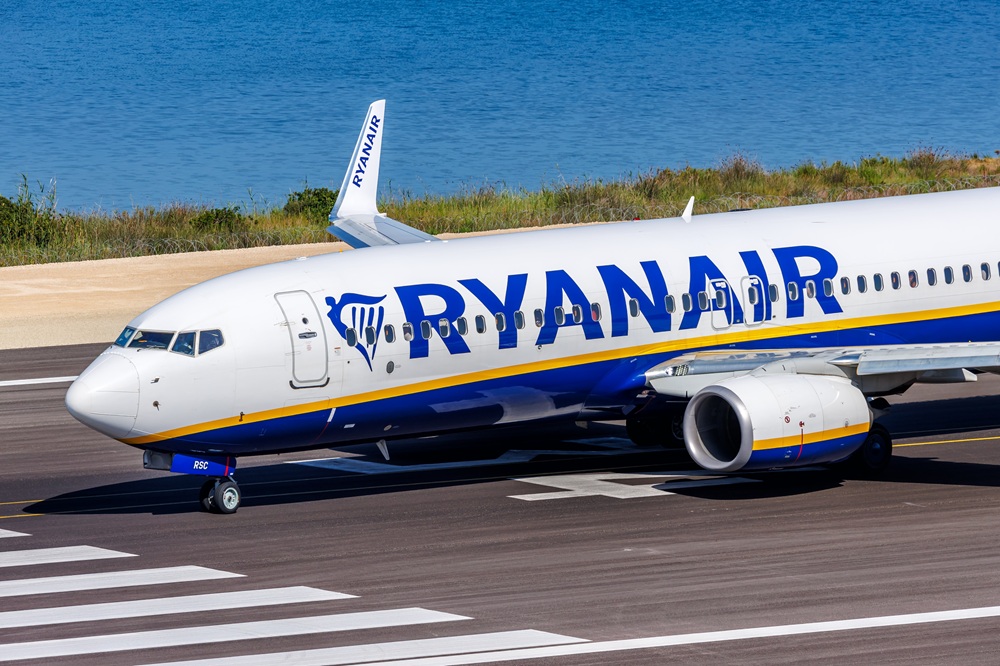
Ryanair began its fiscal year with a challenging first quarter as lower airfares and sharply higher fuel expenses weighed on profitability, underscoring the pressures facing Europe’s airline industry despite robust travel demand. While passenger traffic continued to expand and ancillary revenue remained resilient, rising operating costs outpaced revenue growth, prompting management to refrain from issuing full-year profit guidance. Nevertheless, Ryanair continues to emphasize its strong financial position, disciplined cost management, and long-term fleet expansion strategy as competitive advantages in an increasingly constrained aviation market.
Lower Fares and Fuel Costs Reduce First-Quarter Profit
Ryanair reported first-quarter profit after tax of €538 million, down 34% from the prior-year period, as average ticket fares declined while fuel expenses increased significantly. Revenue edged higher to €4.38 billion, supported by continued growth in ancillary services such as baggage fees, priority boarding, and seat selection.
Passenger traffic increased 6% year over year to 61.3 million travelers, reflecting sustained demand across the airline’s European network. However, the increase in passenger volumes was insufficient to offset weaker pricing, with scheduled ticket revenue declining as lower fares compressed yields.
Management attributed the softer pricing environment to geopolitical uncertainty, shifting booking patterns, and calendar effects, while higher costs were amplified by elevated fuel prices on the airline’s unhedged fuel exposure.
Strong Balance Sheet and Hedging Strategy Provide Stability
Although first-quarter profitability declined, Ryanair continues to differentiate itself through its financial strength and conservative balance sheet. Following the repayment of its final €1.2 billion bond, management described the company as effectively debt-free, leaving it with substantial liquidity and one of the strongest balance sheets in the European airline sector.
The airline also continues to rely on fuel hedging as a core risk-management strategy. A significant portion of its fuel requirements for fiscal 2027 has already been hedged at substantially lower prices than current market levels, helping reduce exposure to future energy price volatility.
In addition, Ryanair continues returning capital to shareholders through its ongoing share repurchase program while maintaining plans to distribute dividends, reflecting management’s confidence in the company’s long-term financial position despite near-term earnings volatility.
Fleet Expansion Supports Long-Term Growth Outlook
Looking beyond the current fiscal year, Ryanair remains focused on expanding capacity through the delivery of Boeing’s 737 MAX 10 aircraft. The new-generation aircraft are expected to improve fuel efficiency, lower operating costs, and increase seating capacity, supporting the airline’s objective of carrying 300 million passengers annually over the next decade.
Management also believes continued aircraft delivery delays affecting competitors will limit short-haul capacity across Europe for several years, allowing Ryanair to strengthen its competitive position in key markets. The company continues reallocating aircraft toward airports offering lower operating costs and growth incentives while reducing exposure to higher-cost regions.
Despite maintaining its traffic forecast of 216 million passengers for fiscal 2027, Ryanair chose not to issue full-year profit guidance, citing limited visibility into second-half fare trends and ongoing uncertainty surrounding fuel markets.
Looking ahead, investors will closely monitor ticket pricing, fuel costs, booking trends, and Boeing’s aircraft delivery schedule. While near-term earnings remain sensitive to external factors, Ryanair’s low-cost operating model, disciplined capital management, and expanding fleet continue to position the airline for long-term growth as European air travel demand remains resilient.
Comparison, examination, and analysis between investment houses
Leave your details, and an expert from our team will get back to you as soon as possible
* This article, in whole or in part, does not contain any promise of investment returns, nor does it constitute professional advice to make investments in any particular field.
To read more about the full disclaimer, click here

