





- Lior mor
- •
- 6 Min Read
- •
- 1 day ago
Key Points
- South Korea’s KOSPI index extended its decline with another 4% drop as investors reassessed technology valuations, economic risks, and global market conditions.
- Weakness in major semiconductor and technology stocks contributed to renewed selling pressure in one of Asia’s most important equity markets.
- Investors are monitoring corporate earnings, foreign capital flows, currency movements, and global interest-rate expectations for signals on the market’s next direction.
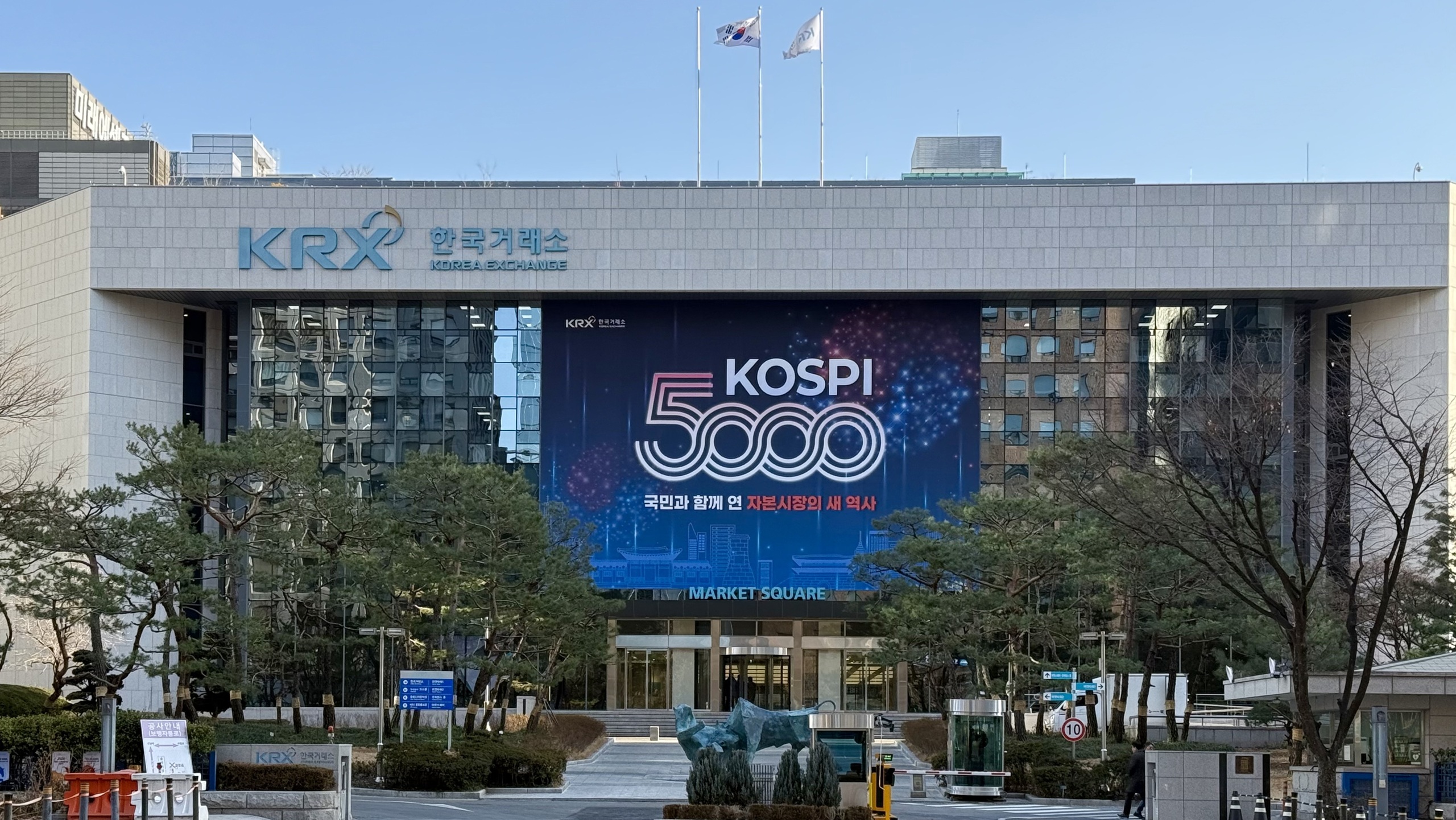
South Korea’s KOSPI index came under renewed pressure after falling another 4%, extending volatility in one of Asia’s most closely watched equity markets. The decline reflects broader concerns surrounding technology valuations, global economic uncertainty, and shifting investor expectations as markets continue adjusting to changing monetary and growth conditions.
Technology Stocks Drive Market Weakness
The latest decline in the KOSPI has been closely linked to weakness among major technology and semiconductor companies, which represent a significant portion of South Korea’s equity market. The country’s stock market is heavily influenced by global demand for chips, artificial intelligence infrastructure, and electronics, making it particularly sensitive to changes in technology investment cycles.
South Korean semiconductor giants have benefited from strong global demand in recent years, especially due to the expansion of artificial intelligence applications and data center investment. However, elevated valuations and concerns over future growth expectations have increased sensitivity to changes in investor sentiment.
When technology shares experience broad selling pressure, the impact on the KOSPI can be amplified due to the index’s concentration in large-cap companies. Investors are therefore closely evaluating whether the recent decline reflects short-term market volatility or a broader reassessment of technology sector expectations.
Global Market Conditions Add Pressure to South Korean Equities
The decline in the KOSPI comes as investors worldwide continue monitoring interest-rate expectations, inflation trends, and economic growth prospects. Higher-for-longer interest-rate concerns can weigh on equity markets by reducing the attractiveness of risk assets and placing pressure on high-growth companies.
South Korea’s export-driven economy also remains sensitive to global trade conditions, particularly demand from major markets such as the United States and China. Any slowdown in global technology spending or weaker manufacturing activity could affect corporate earnings expectations and investor confidence.
Currency movements are another important factor for international investors. Changes in the South Korean won against major currencies can influence foreign capital flows into local equities and affect the competitiveness of export-focused companies.
Implications for Global and Israeli Investors
For international investors, the KOSPI’s decline highlights the risks associated with concentrated exposure to technology-heavy markets. South Korea remains a key player in global semiconductor supply chains, meaning developments in its equity market often provide signals about broader trends in technology demand and industrial investment.
For Israeli investors, movements in major Asian markets are relevant because global technology cycles influence many sectors connected to innovation, semiconductors, cybersecurity, and advanced manufacturing. Changes in investor appetite toward technology assets can affect sentiment across international capital markets, including companies linked to similar growth themes.
Looking ahead, investors will continue monitoring South Korean corporate earnings, semiconductor demand, foreign investor activity, and global central bank policy signals. The ability of technology companies to maintain earnings growth and whether broader economic conditions stabilize will be critical factors in determining whether the KOSPI can recover from its recent decline or faces additional volatility.
Comparison, examination, and analysis between investment houses
Leave your details, and an expert from our team will get back to you as soon as possible
* This article, in whole or in part, does not contain any promise of investment returns, nor does it constitute professional advice to make investments in any particular field.
To read more about the full disclaimer, click here
- orshu
- •
- 6 Min Read
- •
- ago 1 hour
SKN | European Markets Deliver Mixed Performance as Regional Benchmarks Edge Higher While National Indices Pause
European markets posted a mixed but generally resilient performance on July 21, 2026, as regional equity benchmarks advanced while major
- ago 1 hour
- •
- 6 Min Read

European markets posted a mixed but generally resilient performance on July 21, 2026, as regional equity benchmarks advanced while major
- orshu
- •
- 7 Min Read
- •
- ago 12 hours
SKN | U.S. Markets Slip on July 20, 2026 as Small Caps and Canadian Stocks Lead Regional Declines
U.S. equity markets closed modestly lower on Monday, July 20, 2026, as investors adopted a more defensive stance ahead of
- ago 12 hours
- •
- 7 Min Read

U.S. equity markets closed modestly lower on Monday, July 20, 2026, as investors adopted a more defensive stance ahead of
- orshu
- •
- 7 Min Read
- •
- ago 13 hours
SKN | Chip Stocks Lift S&P 500 and Nasdaq as Investors Await Big Tech Earnings
U.S. equity markets delivered a mixed performance on Monday as technology and semiconductor shares fueled gains in the S&P
- ago 13 hours
- •
- 7 Min Read

U.S. equity markets delivered a mixed performance on Monday as technology and semiconductor shares fueled gains in the S&P

- sagi habasov
- •
- 7 Min Read
- •
- ago 16 hours
SKN | Can the S&P 500 Extend Its Rally as Chip Stocks Rebound and Oil Volatility Eases?
U.S. equities began the week on a mixed note as investors weighed geopolitical developments in the Middle East against renewed
- ago 16 hours
- •
- 7 Min Read

U.S. equities began the week on a mixed note as investors weighed geopolitical developments in the Middle East against renewed


