





- Lior mor
- •
- 8 Min Read
- •
- 2 days ago
Key Points
- Five weeks post-listing, SpaceX shares collapsed below their $135 IPO benchmark, closing at $123.99—a realization of structural downside following an aggressive post-listing speculative peak of $225.
- The firm registered a cumulative market cap contraction exceeding $1 trillion from its June peak, validating a broader institutional flight from hyper-growth assets burdened by high interest-rate environments.
- The failed Starship launch sequence served as a technical catalyst for long-only desks to systematically rotate out of high-beta exposure, prioritizing risk-adjusted liquidity over speculative valuation targets.
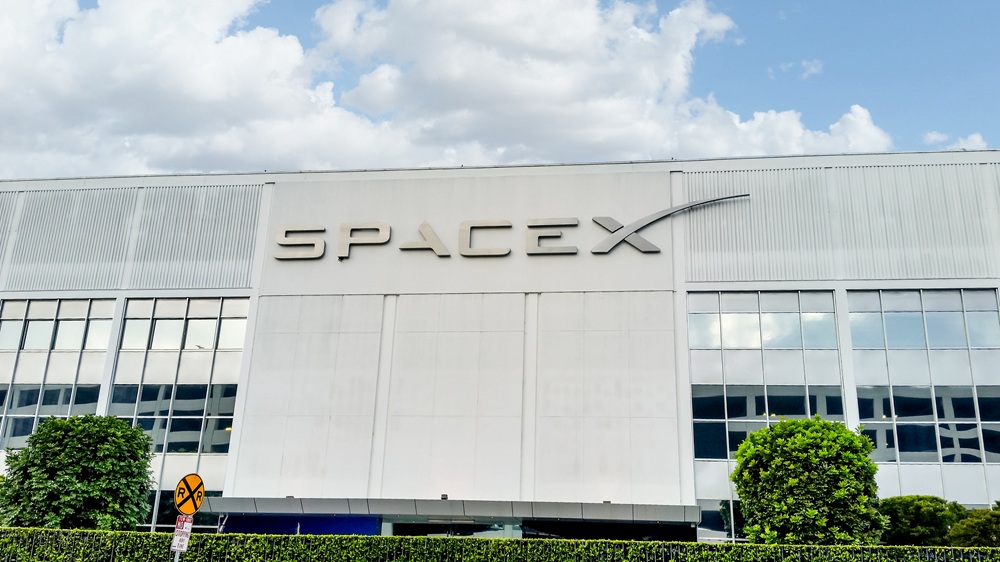
Systemic realignments across global primary registries and the strategic engineering of institutional wealth balances are validating an intense re-rating phase inside the high-growth aerospace and technology architecture in mid-July 2026. While SpaceX’s June listing was formalized as the definitive institutional equity milestone of the contemporary cycle, the swift collapse of the ticker beneath its $135 primary clearing boundary signals a fundamental change in systemic risk sentiment. Market allocators are transitioning away from high-beta, speculative multiple chasing toward a regime demanding verifiable operational consistency, effectively resetting the valuation floor for the entire generative AI and space-utility pipeline.
Valuation De-Rating Architecture: Anatomy of a $1 Trillion Drawdown
The compression of SpaceX’s market capitalization—erasing $1 trillion in nominal value from its June 16 zenith ($225 per share / $2.6 trillion total) to the current $123.99 baseline ($1.6 trillion)—serves as a primary signal of shifting macro-behavioral norms. The Starship launch cancellation, confirmed by CEO Elon Musk via X, functioned as an operational trigger allowing long-only desks to execute programmatic de-risking protocols. Market desks are currently auditing the fundamental valuation of “dream equities,” with analysts from Integrity Asset Management noting that investors are systematically de-risking positions and recalculating terminal multiple assumptions as the artificial premium previously supporting speculative tech is systematically stripped away.
The valuation collapse effectively serves as a broader macro-indicator for the high-growth tech space. As systemic concerns regarding the restrictive terminal interest rate path in Washington persist, and skepticism mounts regarding the near-term Return on Investment (ROI) of massive enterprise capital expenditure (CapEx) into AI, high-multiple names like SpaceX face significant structural headwinds. This downside velocity threatens to compress the valuation of anticipated 2027 IPO entrants, forcing private-market founders to reconsider the viability of public clearings in a landscape that mandates cash-flow durability over pure top-line acceleration.
The Analyst-Market Disconnect: Forward Targets vs. Structural Execution
Despite the intense equity liquidation, the sell-side institutional consensus remains rigidly optimistic, maintaining “Buy” ratings and establishing a baseline average price target near $235—implying a potential 90% upside from current clearings. This pronounced variance between sell-side valuation models and actual market clearing prices underscores a fundamental breakdown in the discounting mechanism for high-beta tech. Sell-side research houses continue to leverage structural narratives regarding Starlink’s orbital communication monopoly and NASA procurement contracts to justify long-term valuation floors, while institutional liquidity desks are actively compressing multiples to account for the heightened geopolitical and execution risk profiles associated with low-Earth-orbit operations.
Comparative Valuation Metrics and IPO Market Performance
|
Asset Metric / Listing Baseline
|
Peak Valuation (June 2026)
|
Spot Valuation (July 2026)
|
Fundamental Impact & Macro Driver
|
|
SpaceX Aggregate Market Cap
|
$2.6 Trillion
|
$1.6 Trillion
|
~$1T value contraction; driven by systemic liquidity and macro risk-off
|
|
Common Stock Price
|
$225
|
$123.99
|
Breach of $135 IPO floor; indicates structural buyer exhaustion
|
|
Analyst Consensus Target
|
$235 (Forward Target)
|
$123.99 (Spot)
|
90% valuation upside discrepancy; suggests significant model variance
|
Concluding paragraph:
The collapse of SpaceX beneath its IPO valuation confirms the termination of a speculative cycle where future execution was priced with infinite upside, transitioning the market into a regime where operational performance defines the capital baseline. Institutional wealth allocators recognize that the $1 trillion drawdown is not a stochastic anomaly; it reflects a collective shift toward defensive asset structures that prioritize tangible balance-sheet durability over speculative growth narratives. Over the medium term, the firm’s forward performance relies on demonstrating high-frequency launch reliability, providing hard empirical evidence that its space-utility and orbital communication revenues are autonomous from speculative venture funding. For the sophisticated allocator, navigating this structural transition necessitates preserving a disciplined, high-conviction diversification framework—bridging core value equities yielding robust organic free cash flow with long-duration sovereign bonds to insulate wealth against shifting global liquidity tracks.
Comparison, examination, and analysis between investment houses
Leave your details, and an expert from our team will get back to you as soon as possible
* This article, in whole or in part, does not contain any promise of investment returns, nor does it constitute professional advice to make investments in any particular field.
To read more about the full disclaimer, click here
- sagi habasov
- •
- 6 Min Read
- •
- ago 1 hour
SKN | Coca-Cola’s Fairlife Production Disruption Raises Cybersecurity Concerns as Investors Assess Dividend Risks
A ransomware attack affecting Coca-Cola’s Fairlife production operations has drawn investor attention to the growing cybersecurity challenges facing major consumer
- ago 1 hour
- •
- 6 Min Read

A ransomware attack affecting Coca-Cola’s Fairlife production operations has drawn investor attention to the growing cybersecurity challenges facing major consumer

- Ronny Mor
- •
- 7 Min Read
- •
- ago 2 hours
SKN | Meta’s Stock Rebound Lifts Mark Zuckerberg to $222 Billion Fortune as AI Investments Drive Growth
Meta Platforms has staged one of the technology sector’s strongest recoveries, pushing Chief Executive Officer Mark Zuckerberg’s estimated net worth
- ago 2 hours
- •
- 7 Min Read

Meta Platforms has staged one of the technology sector’s strongest recoveries, pushing Chief Executive Officer Mark Zuckerberg’s estimated net worth
- sagi habasov
- •
- 6 Min Read
- •
- ago 6 hours
SKN | Why Is SpaceX Stock Falling Again Despite a New Starship Launch Date?
SpaceX shares continued to weaken at the start of the week as investors reacted to last week's postponed Starship launch
- ago 6 hours
- •
- 6 Min Read

SpaceX shares continued to weaken at the start of the week as investors reacted to last week's postponed Starship launch

- Lior mor
- •
- 7 Min Read
- •
- ago 11 hours
SKN | Should IBM Consider a Breakup After Its Historic Stock Plunge?
IBM has found itself under intense investor scrutiny after releasing preliminary second-quarter results that fell short of market expectations, triggering
- ago 11 hours
- •
- 7 Min Read
IBM has found itself under intense investor scrutiny after releasing preliminary second-quarter results that fell short of market expectations, triggering


