





- orshu
- •
- 7 Min Read
- •
- 5 hours ago
Key Points
- Industry leaders believe SpaceX's record-breaking IPO represents the start of a broader commercial space investment cycle, rather than the peak of investor interest.
- Growing demand for satellite communications, launch services, defense technologies, and space infrastructure is expected to expand investment opportunities across the sector.
- The next phase of the space economy will likely depend on commercialization, technological innovation, and sustained capital investment, not launch milestones alone.
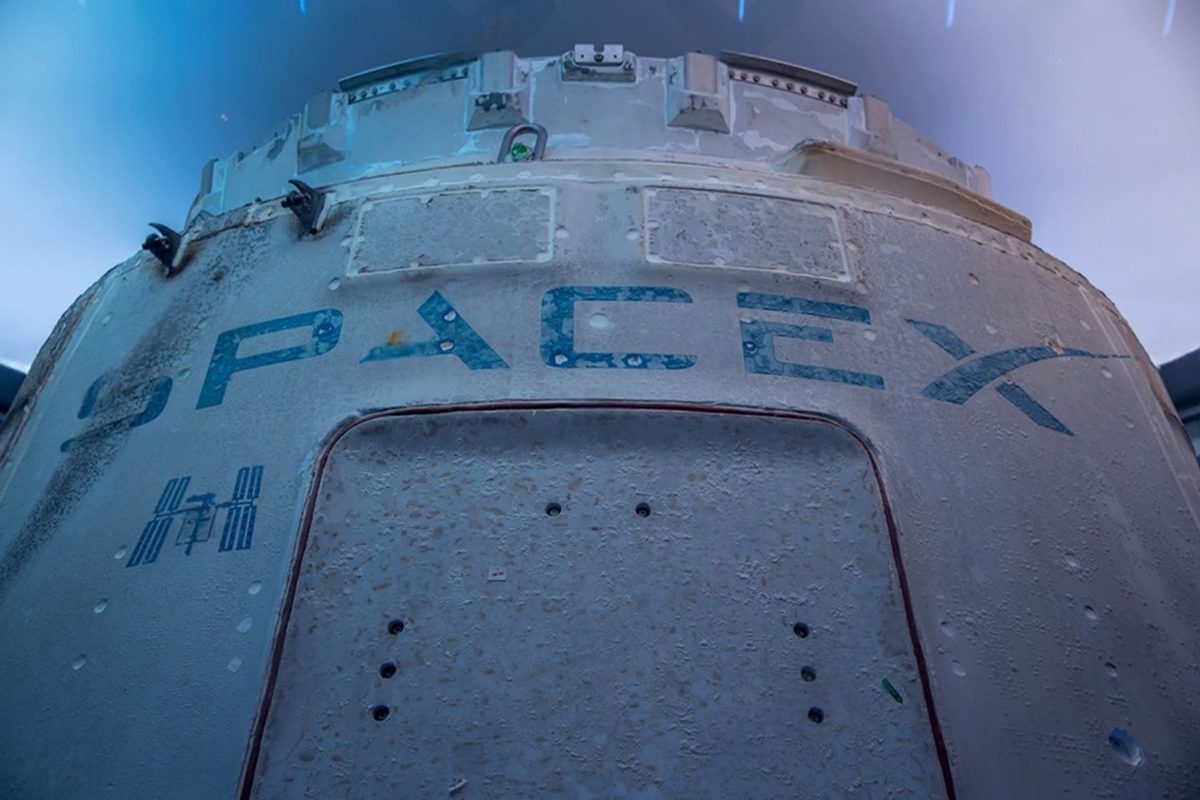
The commercial space economy is entering a new stage of development following the historic public market debut of SpaceX, an event that many industry executives view as a catalyst rather than a conclusion. As private capital increasingly flows into aerospace, satellite technology, and orbital infrastructure, investors are beginning to evaluate how the next generation of space companies could reshape global communications, defense, and transportation.
According to industry executives, the record-setting listing represents the opening chapter of a much broader investment opportunity, as commercialization accelerates across multiple segments of the space industry.
SpaceX Has Established a New Benchmark for the Industry
SpaceX’s public market debut has reinforced investor confidence in the commercial viability of space-related businesses. The company’s leadership in reusable launch systems, satellite deployment, and broadband connectivity has demonstrated that private aerospace companies can achieve significant scale while attracting institutional capital.
The successful listing has also increased visibility for emerging businesses developing technologies ranging from satellite manufacturing and Earth observation to in-orbit servicing and advanced propulsion systems. Rather than focusing solely on rocket launches, investors are increasingly evaluating companies that support the broader space infrastructure ecosystem.
This shift suggests the commercial space sector is evolving into a diversified industry with multiple long-term revenue opportunities beyond traditional aerospace activities.
Commercial Demand Is Expanding Beyond Government Contracts
Historically, government agencies represented the primary source of funding for space exploration. Today, commercial demand is becoming an increasingly important driver of industry growth. Telecommunications providers, logistics companies, defense organizations, financial institutions, and agricultural businesses are expanding their use of satellite-based services to improve connectivity, data collection, and operational efficiency.
The rapid growth of low-Earth orbit satellite constellations, space-based internet services, and geospatial intelligence has broadened the market for private aerospace companies. These applications are creating recurring revenue opportunities that investors often view as more predictable than project-based government contracts.
As commercial adoption continues to accelerate, companies capable of delivering scalable technologies may benefit from expanding global demand.
Global Innovation Creates Opportunities for Investors
The evolution of the commercial space industry has implications well beyond the United States. Countries with advanced technology sectors, including Israel, continue contributing innovations in satellite communications, cybersecurity, imaging systems, semiconductor technologies, and defense applications that support the growing space economy.
Institutional investors are increasingly viewing space as a long-term structural investment theme intersecting with artificial intelligence, cloud computing, defense modernization, and telecommunications infrastructure. However, the sector also remains capital intensive, requiring substantial investment, regulatory compliance, and technological execution before achieving sustainable profitability.
As competition intensifies, successful companies will likely be those capable of combining engineering innovation with commercially scalable business models and disciplined financial management.
Looking ahead, investors will closely monitor capital flows into commercial aerospace, satellite deployment activity, regulatory developments, and the pace of private-sector adoption of space-based technologies. The success of SpaceX has demonstrated the growing maturity of the industry, but the broader investment opportunity will depend on whether emerging companies can translate technological innovation into durable revenue growth. For global markets, the commercial space economy is increasingly becoming a strategic sector where technology, infrastructure, and long-term capital investment converge.
Comparison, examination, and analysis between investment houses
Leave your details, and an expert from our team will get back to you as soon as possible
* This article, in whole or in part, does not contain any promise of investment returns, nor does it constitute professional advice to make investments in any particular field.
To read more about the full disclaimer, click here
- omer bar
- •
- 7 Min Read
- •
- ago 28 minutes
SKN | Apple Defies the Chip Selloff as Semiconductor Index Enters Bear Market
The semiconductor sector has entered a period of significant correction, with the Philadelphia Semiconductor Index (SOX) officially falling into
- ago 28 minutes
- •
- 7 Min Read
The semiconductor sector has entered a period of significant correction, with the Philadelphia Semiconductor Index (SOX) officially falling into

- Ronny Mor
- •
- 6 Min Read
- •
- ago 1 hour
SKN | Meta and Anthropic Signal the Next Phase of the AI Race as Competition Intensifies
The global artificial intelligence industry continues to evolve at a rapid pace, with leading developers racing to expand model
- ago 1 hour
- •
- 6 Min Read

The global artificial intelligence industry continues to evolve at a rapid pace, with leading developers racing to expand model

- orshu
- •
- 6 Min Read
- •
- ago 4 hours
SKN | AI Trade Loses Momentum as Chip Stocks Enter Bear Market and Wall Street Ends Two-Week Rally
Wall Street closed lower as the recent artificial intelligence-driven rally lost momentum, with semiconductor stocks extending their decline and
- ago 4 hours
- •
- 6 Min Read

Wall Street closed lower as the recent artificial intelligence-driven rally lost momentum, with semiconductor stocks extending their decline and
- orshu
- •
- 6 Min Read
- •
- ago 6 hours
SKN | Why the S&P 500 Is Defying the Traditional Earnings Season Playbook
The S&P 500 is challenging one of Wall Street's long-standing assumptions: that companies exceeding earnings expectations are typically rewarded
- ago 6 hours
- •
- 6 Min Read

The S&P 500 is challenging one of Wall Street's long-standing assumptions: that companies exceeding earnings expectations are typically rewarded


