





- omer bar
- •
- 6 Min Read
- •
- 6 hours ago
Key Points
- Citigroup shares declined as investors assessed profit-taking, interest rate expectations, and broader weakness across the financial sector.
- Market participants remain focused on Citigroup's restructuring efforts, investment banking performance, and net interest income outlook.
- Future stock performance will likely depend on earnings results, credit quality, and the Federal Reserve's monetary policy path.
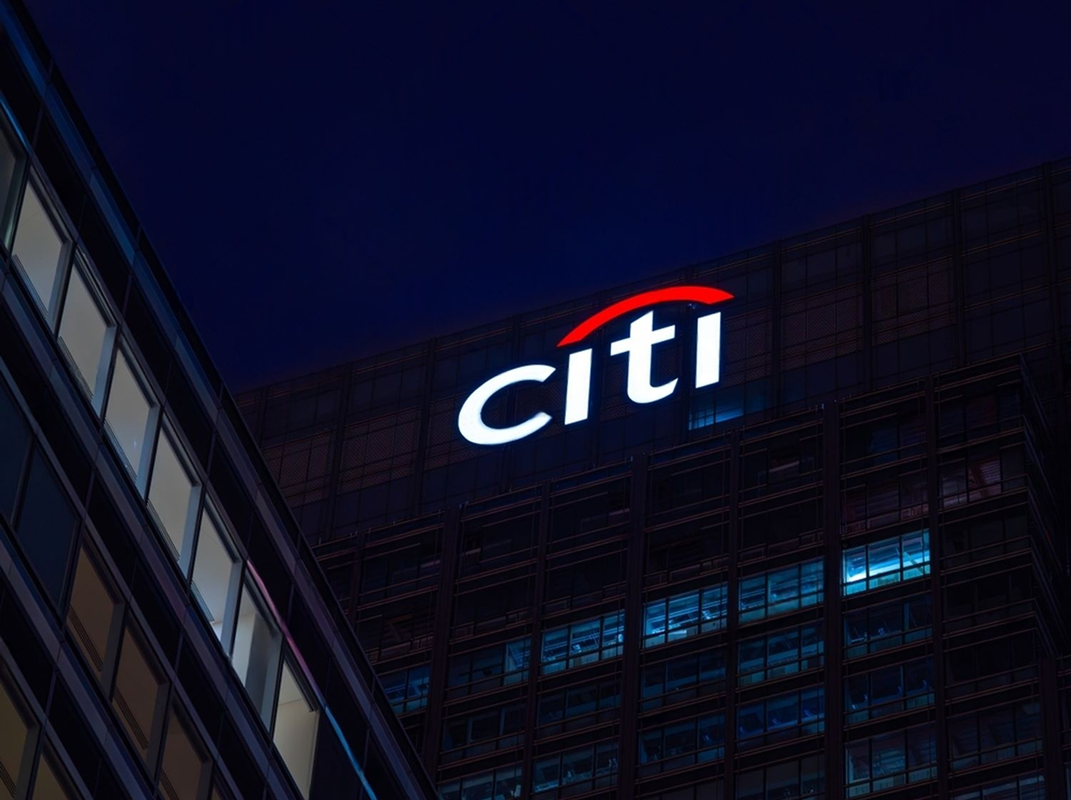
Citigroup (NYSE: C) shares traded lower as investors evaluated a combination of company-specific developments and broader financial sector pressures. The decline comes at a time when global markets are reassessing expectations for interest rates, bank profitability, and economic growth, all of which play a critical role in determining the outlook for major financial institutions.
Banking Sector Faces Renewed Market Pressure
Citigroup’s share price weakness reflects broader caution toward banking stocks as investors evaluate the outlook for the U.S. economy and monetary policy. Large financial institutions have benefited from elevated interest rates over the past several years, which supported lending margins and net interest income. However, as expectations for future rate cuts evolve, investors are reassessing whether banks can sustain recent levels of profitability.
Financial stocks also remain sensitive to changes in bond yields, credit market conditions, and overall investor risk appetite. Periods of market volatility often trigger portfolio rebalancing, with investors reducing exposure to cyclical sectors such as banking until greater economic clarity emerges.
Although short-term price movements may be influenced by technical trading or profit-taking following previous gains, market participants continue to focus on the industry’s longer-term earnings outlook.
Citigroup’s Transformation Strategy Remains in Focus
Citigroup continues implementing a multi-year restructuring strategy designed to simplify operations, improve efficiency, and strengthen long-term returns. Management has been streamlining business units, investing in technology, and reducing organizational complexity in an effort to enhance profitability and competitiveness.
Investors are closely monitoring whether these initiatives translate into improved financial performance. Key indicators include expense management, return on tangible common equity, capital allocation, and progress toward management’s strategic objectives.
The bank’s diversified business model, spanning consumer banking, institutional services, investment banking, wealth management, and global markets, provides multiple revenue streams. However, each segment remains influenced by economic conditions, capital market activity, and corporate client demand.
Interest Rates, Credit Quality, and Earnings Will Shape the Outlook
The broader macroeconomic environment continues to play a decisive role in Citigroup’s outlook. Federal Reserve policy, inflation trends, and labor market conditions influence lending activity, deposit growth, and capital markets performance. At the same time, investors remain attentive to credit quality as higher borrowing costs could affect consumer and commercial loan performance.
For investors in Israel and international markets, Citigroup serves as an important indicator of global financial conditions. As one of the world’s largest banking institutions, its performance often reflects trends in cross-border lending, corporate finance, and international capital flows. Developments at major U.S. banks can also influence sentiment across global financial markets, including banking shares listed in Europe and Asia.
Looking ahead, investors will closely monitor Citigroup’s quarterly earnings, net interest income trends, investment banking activity, expense reduction progress, and management guidance. The direction of U.S. monetary policy and broader economic conditions will remain central to determining whether the recent decline proves temporary or signals a more prolonged period of pressure for the banking sector.
Comparison, examination, and analysis between investment houses
Leave your details, and an expert from our team will get back to you as soon as possible
* This article, in whole or in part, does not contain any promise of investment returns, nor does it constitute professional advice to make investments in any particular field.
To read more about the full disclaimer, click here
- Lior mor
- •
- 7 Min Read
- •
- ago 8 hours
SKN | SoundHound AI Slides This Year as Investors Weigh Growth Potential Against Execution Risks
SoundHound AI has experienced a challenging year in the equity market, with its stock falling 37% in 2026 despite
- ago 8 hours
- •
- 7 Min Read

SoundHound AI has experienced a challenging year in the equity market, with its stock falling 37% in 2026 despite

- omer bar
- •
- 7 Min Read
- •
- ago 8 hours
SKN | Can SpaceX Sustain Wall Street’s Most Ambitious Price Target?
SpaceX continues to attract extraordinary investor attention following its public market debut, with one Wall Street analyst projecting the
- ago 8 hours
- •
- 7 Min Read

SpaceX continues to attract extraordinary investor attention following its public market debut, with one Wall Street analyst projecting the

- sagi habasov
- •
- 6 Min Read
- •
- ago 12 hours
SKN | Why Did Lucid Stock Collapse 50% Despite the Company’s Bankruptcy Denial?
Lucid Group experienced one of its most dramatic trading sessions since becoming a public company after reports alleging potential bankruptcy
- ago 12 hours
- •
- 6 Min Read

Lucid Group experienced one of its most dramatic trading sessions since becoming a public company after reports alleging potential bankruptcy

- Arik Arkadi Sluzki
- •
- 6 Min Read
- •
- ago 14 hours
SKN | Barclays Sees Significant Upside for SK Hynix as AI Memory Demand Accelerates
Artificial intelligence continues to reshape the semiconductor industry, and SK Hynix has emerged as one of the sector's biggest
- ago 14 hours
- •
- 6 Min Read
Artificial intelligence continues to reshape the semiconductor industry, and SK Hynix has emerged as one of the sector's biggest


