





- sagi habasov
- •
- 13 Min Read
- •
- 6 hours ago
Key Points
- IBM's stock plunged approximately 25% in pre-market trading following the release of its Q2 earnings report, sparking sharp declines across the broader software sector, including major ETFs and leading companies.
- The market's reaction reflects a growing loss of confidence in management's ability to meet forecasts, driven by a marginal 1% increase in total revenue and a 7% drop in the infrastructure division.
- An unusual letter from the CEO revealed a fundamental shift in enterprise customer behavior, with budgets being reallocated from software to physical servers, storage systems, and cybersecurity solutions to combat rising threats.
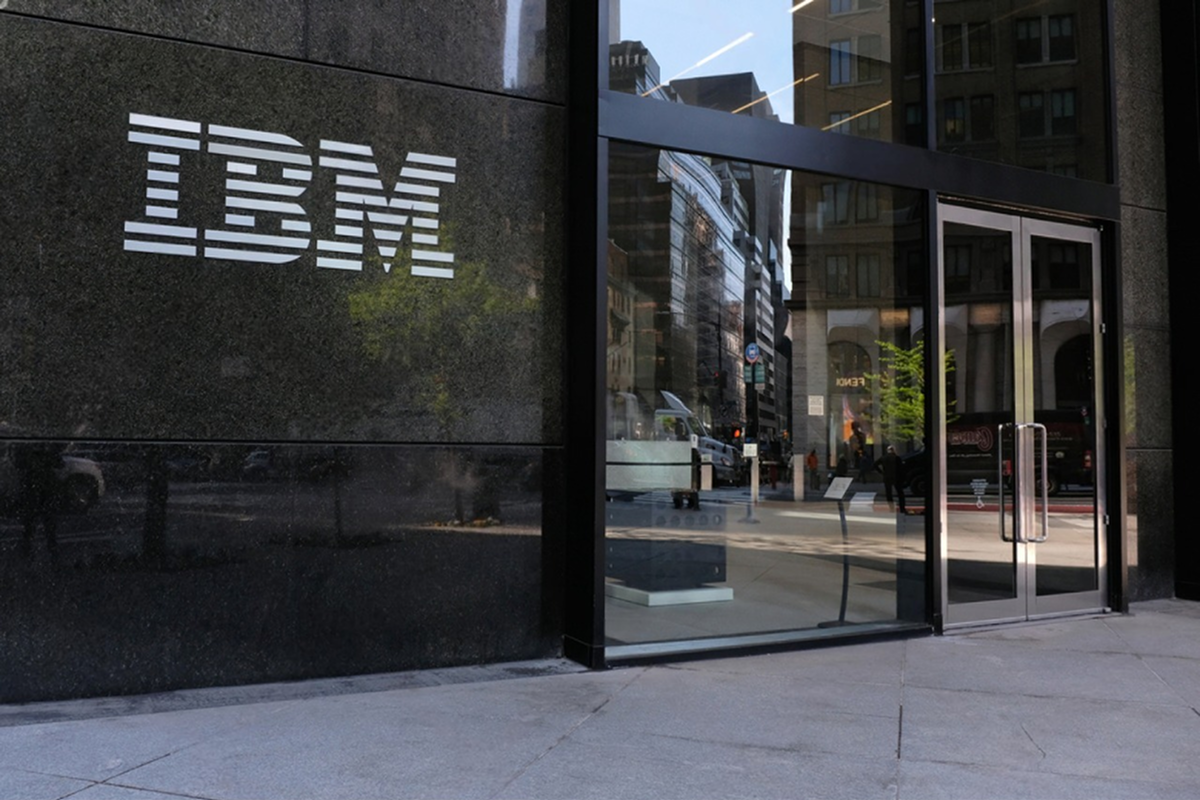
Financial Data Review: Weak Growth Alongside Eroding Profitability
An in-depth review of the financial data reveals a complex picture of stagnant growth alongside a hit to profitability metrics. The company’s total revenue amounted to $17.2 billion, reflecting a marginal increase of just 1% compared to the same period last year. This figure indicates a fundamental difficulty in generating significant organic growth engines in the short term. Breaking down the various business segments reveals mixed trends within the company. While software division revenues showed a moderate increase of 5%, the company’s consulting business remained almost flat, indicating a slowdown in the willingness of corporations to embark on large-scale digital transformation projects at present. The hardest hit was recorded in the infrastructure division, which experienced a 7% drop in revenue. Beyond the top line, there is also a noticeable hit to the bottom line, with the company’s gross profit margin eroding to 57.7%. Regarding cash flow, the company generated $4.8 billion in free cash flow year-to-date. An examination of net income highlights a discrepancy between different accounting metrics; adjusted earnings per share rose by 5% to $2.93, but when examining earnings according to generally accepted accounting principles (GAAP), a 2% decrease is revealed. These figures, while not catastrophic in themselves, do not provide the necessary justification for the company’s market valuation in the eyes of investors, especially during a period when the market demands proven and aggressive growth.
The CEO’s Letter: A Fundamental Shift in Enterprise Customer Priorities
Beyond the numerical data, the market’s primary focus was drawn to an unusual letter from the company’s CEO, Arvind Krishna, which was attached to the reports. The letter provided a rare glimpse into the current dynamics of the enterprise computing infrastructure market and the company’s operational shortcomings. Krishna explained that company management had indeed anticipated a certain weakening in revenue from the new z17 series mainframe servers following the initial launch period, but in reality, the severity of the hit and the decline in demand were far worse than initial forecasts. The explanation provided for this phenomenon reveals a profound change in enterprise consumer behavior; many corporate clients chose to delay long-term deals, and instead directed their investment budgets towards the massive procurement of standard computing servers, storage systems, and memory components. The reason for this budget reallocation, according to the CEO, stems from a growing fear among CIOs of future price increases and anticipated shortages in global supply chains. Concurrently, an unprecedented wave of global cyber threats forced many companies to alter their priorities, diverting urgent resources to security solutions at the expense of upgrading core infrastructure from IBM. Beyond macro-economic explanations, Krishna took responsibility and admitted that the company suffered from execution issues, failed to respond quickly enough to frequent changes in market conditions, and as a direct result, many large and strategic deals simply failed to close on schedule.
Bright Spots and Focus on Future Growth Engines
Despite the challenging picture reflected in the reports and management’s statement, IBM’s leadership made a point to highlight several bright spots that could form the basis for future recovery and stabilize the company’s operations. First and foremost, the subsidiary Red Hat, which constitutes the group’s hybrid cloud arm, accelerated its growth rate, posting an impressive 11% increase. This growth is also supported by the company’s M&A activities, with the acquisitions of companies such as HashiCorp and Confluent significantly strengthening the product portfolio and expanding the revenue base. Another area that stood out positively was distributed infrastructure, a segment that saw a dramatic 37% surge to reach a historical high, accompanied by a solid future order backlog estimated at half a billion dollars. Even in the consulting arena, despite the overall stagnation in revenue, the company noted a brisk and growing demand for projects integrating artificial intelligence technologies, which may soon compensate for the slowdown in more traditional areas. In addition to these specific achievements, the company outlined a clear roadmap for its future growth engines, involving massive investments in frontier technologies. At the center is the launch of the Lightwell platform, an advanced AI-based security system developed with an unprecedented $5 billion investment, which is already gaining widespread adoption among leading banks and major global financial institutions. Furthermore, the company announced a strategic investment of over $10 billion in quantum computing over the next five years, a plan that includes the establishment of a dedicated facility for manufacturing quantum chips, supported by grants from the U.S. government.
Market Psychology vs. Long-Term Vision
The gap between the company’s future vision and the market’s severe reaction clearly illustrates the psychology of the modern capital market. While the company’s management focuses on the end of the decade and invests in technologies that could reshape the global computing landscape, institutional and private investors view reality through the immediate prism of the present and the upcoming quarter’s results. When senior management is forced to explain financial misses citing shifts in customer priorities, the impact of cyber events, delayed investment budgets, and failure to close deals on time, the message received by the investment community is unequivocal: forecasts were inaccurate, and the company’s execution did not meet expected standards. Investors may well still recognize the massive potential of the AI revolution, the strategic value of cloud operations, and the promise inherent in quantum computing. However, the current report serves as a painful reminder of an ironclad rule in investing: even companies with a long-term vision must provide proof of concept and strong financial results here and now. The capital market indeed tends to price in dreams and future plans generously, but it chooses to consistently reward only those companies capable of translating these dreams into financial reality, while swiftly and effectively managing short-term crises.
Conclusion and Forward Look: Potential Implications for the Chip Sector
In conclusion, the plunge in IBM’s stock value and its ripple effects on other companies underscore the capital market’s high sensitivity to any slowdown in business activity or failure to meet forecasts. However, analyzing enterprise customer behavior reveals a significant point with broader macroeconomic implications for adjacent sectors. The CEO’s statement that many organizations opted to delay core system deals, instead directing massive budgets toward purchasing servers, storage systems, and memory components out of fear of price hikes and supply shortages, provides a clear signal regarding capital movement within the industry. This trend, where organizations prefer to hoard physical computing power to ensure operational continuity, forms a solid foundation for growing demand in the hardware and semiconductor sectors. While software and services companies may face project delays, chip manufacturers and physical server providers are likely to be the primary beneficiaries of this current budget reallocation. For investors and economists, analyzing the reports of a single company offers a window of opportunity to understand deeper processes in the capital market, as the decisions made today in the boardrooms of CIOs will shape the balance of power and the performance of the entire tech sector in the quarters to come
Comparison, examination, and analysis between investment houses
Leave your details, and an expert from our team will get back to you as soon as possible
* This article, in whole or in part, does not contain any promise of investment returns, nor does it constitute professional advice to make investments in any particular field.
To read more about the full disclaimer, click here
- sagi habasov
- •
- 6 Min Read
- •
- ago 32 minutes
SKN | Why Did Lucid Stock Collapse 50% Despite the Company’s Bankruptcy Denial?
Lucid Group experienced one of its most dramatic trading sessions since becoming a public company after reports alleging potential bankruptcy
- ago 32 minutes
- •
- 6 Min Read

Lucid Group experienced one of its most dramatic trading sessions since becoming a public company after reports alleging potential bankruptcy

- Arik Arkadi Sluzki
- •
- 6 Min Read
- •
- ago 3 hours
SKN | Barclays Sees Significant Upside for SK Hynix as AI Memory Demand Accelerates
Artificial intelligence continues to reshape the semiconductor industry, and SK Hynix has emerged as one of the sector's biggest
- ago 3 hours
- •
- 6 Min Read

Artificial intelligence continues to reshape the semiconductor industry, and SK Hynix has emerged as one of the sector's biggest

- Ronny Mor
- •
- 6 Min Read
- •
- ago 4 hours
SKN | Why Did IBM Stock Collapse and What Does It Mean for the Software Sector?
IBM suffered one of its steepest single-day declines in decades after preliminary second-quarter results fell well short of market expectations,
- ago 4 hours
- •
- 6 Min Read

IBM suffered one of its steepest single-day declines in decades after preliminary second-quarter results fell well short of market expectations,

- orshu
- •
- 6 Min Read
- •
- ago 4 hours
SKN | IBM Shares Plunge More Than 25% After Preliminary Q2 Earnings Warning Shakes Investor Confidence
International Business Machines (IBM) suffered one of the steepest single-day declines in its history after releasing preliminary second-quarter results
- ago 4 hours
- •
- 6 Min Read
International Business Machines (IBM) suffered one of the steepest single-day declines in its history after releasing preliminary second-quarter results


