





- sagi habasov
- •
- 6 Min Read
- •
- 54 minutes ago
Key Points
- Nvidia and Micron are at the center of an estimated $700 billion surge in semiconductor market value, driven by accelerating demand for artificial intelligence infrastructure.
- Explosive investment in AI data centers continues to boost demand for GPUs, high-bandwidth memory (HBM), and advanced memory chips.
- While AI spending remains robust, investors are increasingly monitoring valuation risks, competition, and the sustainability of enterprise AI investment.
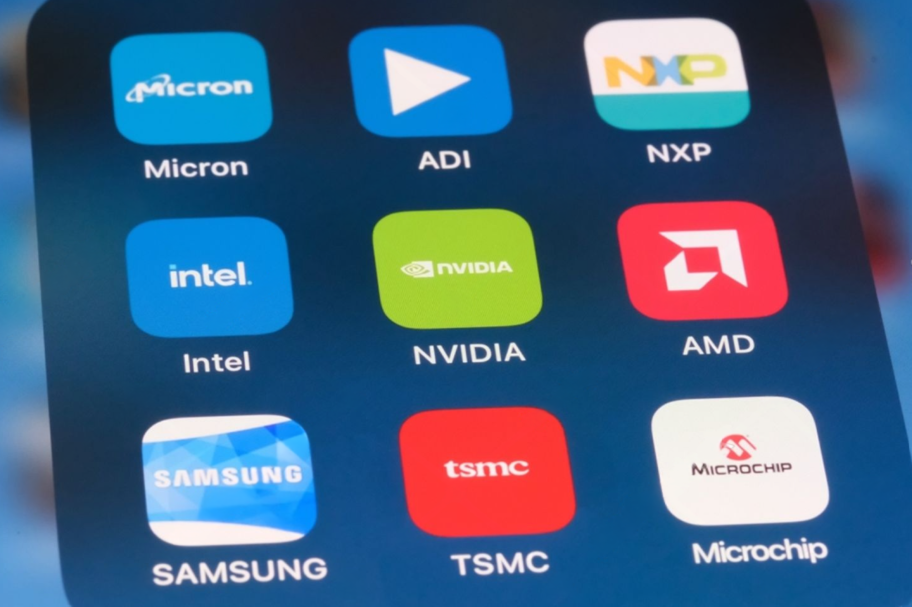
The artificial intelligence revolution continues to transform the global semiconductor industry, with Nvidia and Micron Technology emerging as two of its biggest beneficiaries. Surging demand for AI accelerators, memory solutions, and hyperscale data-center infrastructure has fueled what analysts describe as a $700 billion profit and market-value boom across the chip sector. For investors worldwide—including those in Israel, where institutional portfolios maintain significant exposure to U.S. technology stocks—the semiconductor industry’s trajectory has become one of the defining themes shaping global equity markets.
AI Infrastructure Spending Drives Semiconductor Growth
The rapid deployment of generative AI models has fundamentally changed enterprise investment priorities. Cloud providers and technology companies continue allocating billions of dollars toward expanding AI computing capacity, creating unprecedented demand for Nvidia’s graphics processing units (GPUs) and Micron’s advanced memory products.
High-bandwidth memory (HBM), a critical component for AI accelerators, has become one of the industry’s fastest-growing segments. Micron, alongside other memory manufacturers, has benefited from stronger pricing, tighter supply conditions, and improving profitability after several challenging years marked by inventory corrections and weaker consumer electronics demand.
Nvidia Remains the Industry’s Profit Engine
Nvidia continues to dominate the AI hardware market, supported by its leadership in GPU architecture, software ecosystems, and networking technologies. Its products remain central to the construction of large-scale AI clusters used by cloud providers, enterprises, and governments.
The company’s exceptional revenue growth has also lifted sentiment across the broader semiconductor ecosystem, benefiting suppliers involved in chip manufacturing, packaging, networking equipment, and memory production. Investors increasingly view AI infrastructure spending as extending well beyond a single company, supporting multiple participants throughout the semiconductor value chain.
Valuation Risks Remain Despite Strong Fundamentals
Although demand for AI computing remains exceptionally strong, analysts continue to caution that elevated valuations require sustained earnings growth to remain justified. Future performance will depend not only on continued capital expenditure by hyperscale cloud providers but also on broader enterprise adoption of AI applications capable of generating measurable returns.
Additional variables—including geopolitical tensions, export restrictions on advanced chips, supply-chain constraints, and increased competition from rival semiconductor manufacturers—could introduce greater volatility across the sector. These factors remain particularly relevant for global investors seeking long-term exposure to AI-related themes.
Outlook: The outlook for the semiconductor industry remains constructive as artificial intelligence investment continues to reshape global technology spending. However, the pace of future gains will likely depend on sustained enterprise AI adoption, continued innovation in advanced chips and memory technologies, and resilient corporate earnings. For Israeli investors with exposure to global technology markets, semiconductor leaders such as Nvidia and Micron are expected to remain key indicators of both AI investment momentum and broader market sentiment. At the same time, elevated valuations and evolving geopolitical risks suggest that volatility could remain an important feature of the sector even as long-term structural growth remains intact.
Comparison, examination, and analysis between investment houses
Leave your details, and an expert from our team will get back to you as soon as possible
* This article, in whole or in part, does not contain any promise of investment returns, nor does it constitute professional advice to make investments in any particular field.
To read more about the full disclaimer, click here
- omer bar
- •
- 7 Min Read
- •
- ago 4 hours
SKN | Is the AI Investment Boom Just Beginning? SoftBank’s Masayoshi Son Predicts $5 Trillion in Annual Spending by 2040
SoftBank Group founder and CEO Masayoshi Son has made one of his boldest forecasts yet for the future of artificial
- ago 4 hours
- •
- 7 Min Read

SoftBank Group founder and CEO Masayoshi Son has made one of his boldest forecasts yet for the future of artificial

- Ronny Mor
- •
- 6 Min Read
- •
- ago 11 hours
SKN | Why Are Semiconductor Equipment Stocks Falling? What the Declines in Nova, Teradyne, and Kulicke & Soffa Signal for Investors
Semiconductor equipment stocks experienced renewed selling pressure as Nova Ltd., Teradyne, and Kulicke & Soffa recorded significant share price declines.
- ago 11 hours
- •
- 6 Min Read

Semiconductor equipment stocks experienced renewed selling pressure as Nova Ltd., Teradyne, and Kulicke & Soffa recorded significant share price declines.

- sagi habasov
- •
- 6 Min Read
- •
- ago 11 hours
SKN | Why Are Semiconductor Stocks Sliding? What the Sharp Declines in Amkor, Himax, and Entegris Mean for Investors
Semiconductor stocks came under renewed selling pressure as shares of Amkor Technology, Himax Technologies, and Entegris posted notable declines, highlighting
- ago 11 hours
- •
- 6 Min Read

Semiconductor stocks came under renewed selling pressure as shares of Amkor Technology, Himax Technologies, and Entegris posted notable declines, highlighting

- Arik Arkadi Sluzki
- •
- 7 Min Read
- •
- ago 15 hours
SKN | Figma Shares Surge as Investor Optimism Builds Around Growth and AI-Driven Design Software
Figma shares surged 11.9% during the latest trading session, extending investor enthusiasm for high-growth software companies as confidence returned
- ago 15 hours
- •
- 7 Min Read

Figma shares surged 11.9% during the latest trading session, extending investor enthusiasm for high-growth software companies as confidence returned


