





- omer bar
- •
- 9 Min Read
- •
- 5 hours ago
Key Points
- SpaceX hits an unprecedented $800 price target, fueled by the space infrastructure revolution.
- Wall Street experts reassure investors on semiconductor stocks while flagging weaknesses in Salesforce's AI implementation.
- Shopify and Alibaba showcase new growth engines in cloud computing and enterprise commerce amidst a shifting economy.
The global economy stands at a fascinating crossroads where tech valuations are colliding with business reality. The past week on Wall Street provided a clear glimpse into how major investment firms are repricing the artificial intelligence sector and its supporting infrastructure. On one hand, companies presenting business models based on physical and digital infrastructure—which generate tangible cost savings and real expansion—are earning deep institutional trust. Conversely, software providers struggling to translate AI promises into immediate, applied value are acutely feeling the glass ceiling of investor patience. This divergence highlights a market shifting from initial euphoria to a phase of rigorous performance testing and cash flow scrutiny, with a heavy emphasis on execution and realistic return on investment.
Space Infrastructure as a Growth Engine: The SpaceX Economic Model
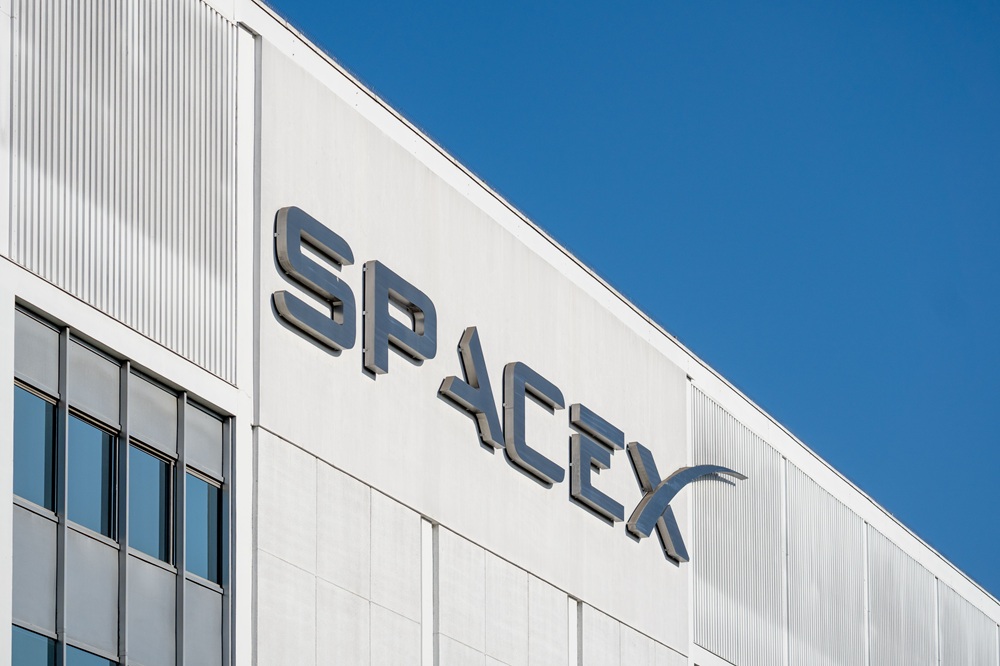
Research firm Raymond James has redefined the boundaries of financial valuation by setting a price target for Elon Musk’s space company that reflects an $800 valuation, anticipating the most significant infrastructure convergence since the invention of the internet. Analysts view the company as the foundational platform for the next generation of global industry, boasting a massive total addressable market estimated to approach $30 trillion. The core of this thesis relies on the Starship project, which is expected to slash the cost of delivering mass to orbit by more than 99%. This competitive advantage creates an infrastructure flywheel, where projects like the company’s satellite network directly fund future developments. The report even drew fascinating historical comparisons, likening the move to the electrification revolution and the laying of railroads. The firm’s projections point to a revenue surge from nearly $38.5 billion today to over $837 billion by the early 2030s.
Digital Retail in the Cloud’s Shadow: Shopify and Alibaba
In the e-commerce arena, analysts are identifying structural shifts that present surprising profitability potential. Bank of America reaffirmed its Buy rating on Alibaba with a $172 price target, understanding that the company’s cloud division is poised to grow by 45% due to AI-driven demand. This growth is expected to offset the slowdown in China’s core commerce segment and lead to a turning point in profitability in the coming years. Concurrently, Stifel upgraded its rating on Shopify to Buy, setting a $150 price target. This move stems from the assessment that the company is consistently widening its economic moat, demonstrating gross merchandise volume growth far outpacing the broader US market. Stifel’s experts point to a geographic imbalance that offers substantial upside potential; although the US accounts for a relatively small fraction of global e-commerce sales excluding China, it represents the vast majority of Shopify’s revenue, leaving a massive, untapped runway for accelerated international expansion.
Investment Psychology and Undervaluations: The Case of Samsung
Investor behavior in the semiconductor market frequently illustrates the gap between short-term sentiment and the true economic fundamentals of the industry. The recent declines in Samsung’s stock were described by Mizuho experts as a significant overreaction disconnected from baseline data. Although the company’s second-quarter revenues slightly missed expectations, a deeper analysis reveals that operating margins in the memory segment crossed the 80% threshold. This dramatic figure indicates an exceptionally strong pricing environment, overshadowing the weakness in display panels and mobile devices. The prevailing consensus on Wall Street is that upcoming data from chip giants like TSMC will reaffirm the sector’s structural strength and return market focus to the rigid demand for memory and data processing.
The Implementation Crisis: Salesforce’s Glass Ceiling
While physical infrastructure and semiconductors enjoy tangible demand, the enterprise software arena is encountering a complex reality that requires prolonged adaptation. Research firm Bernstein downgraded Salesforce this week, citing disappointing customer feedback regarding the company’s new AI product, Agentforce. Field analysis suggests that many organizations do not maintain databases organized to the degree required to benefit from automated, complex AI applications. The difficulty in translating technological promises into immediate operational improvements is causing CIOs to deprioritize these expenditures—a metric that raises serious questions about the company’s ability to sustain the high growth rates the market has come to expect.
The current dynamics reflect a necessary maturation of the sector’s investment cycle. Wall Street is signaling that the era of inflated multiples based purely on vision is over. The spotlight is now firmly shifting to companies capable of demonstrating flexible business models, economies of scale, and relentless execution. Investors who can filter out the background noise and focus on the financial fundamentals of winning infrastructure companies are poised to reap the rewards of the tech economy’s next expansion phase.
Comparison, examination, and analysis between investment houses
Leave your details, and an expert from our team will get back to you as soon as possible
* This article, in whole or in part, does not contain any promise of investment returns, nor does it constitute professional advice to make investments in any particular field.
To read more about the full disclaimer, click here
- Lior mor
- •
- 7 Min Read
- •
- ago 5 hours
SKN | Berkshire Hathaway Gains Momentum, But Still Lags the S&P 500
As the first half of 2026 comes to a close, the market performance of Warren Buffett’s investment conglomerate, Berkshire
- ago 5 hours
- •
- 7 Min Read

As the first half of 2026 comes to a close, the market performance of Warren Buffett’s investment conglomerate, Berkshire

- Ronny Mor
- •
- 11 Min Read
- •
- ago 5 days
SKN | The Extended Valuation Trap: Peak Margin Debt, Sovereign Asymmetries, and Silicon Inflation Shockwaves Limit Wall Street Stability
Systemic realignments across global primary assets and the tactical positioning of mega-cap portfolio weights are validating an acute risk asymmetry
- ago 5 days
- •
- 11 Min Read

Systemic realignments across global primary assets and the tactical positioning of mega-cap portfolio weights are validating an acute risk asymmetry

- omer bar
- •
- 9 Min Read
- •
- ago 3 weeks
SKN | The Secular Tortoise Framework: Why Ken Fisher’s AI Thesis Dampens Wall Street’s Speculative Noise
Systemic realignments across global corporate operations and localized capital allocation tracks are processing high volumes of behavioral noise and psychological
- ago 3 weeks
- •
- 9 Min Read
Systemic realignments across global corporate operations and localized capital allocation tracks are processing high volumes of behavioral noise and psychological
- Lior mor
- •
- 6 Min Read
- •
- ago 3 months
SKN | Investing Isn’t About Guessing Right — It’s About Knowing What Happens When You’re Wrong
There's a meaningful difference between an investor who profits because they guessed correctly — and one who profits because they
- ago 3 months
- •
- 6 Min Read
There's a meaningful difference between an investor who profits because they guessed correctly — and one who profits because they


