





- orshu
- •
- 7 Min Read
- •
- 2 hours ago
Key Points
- U.S. markets traded with limited movement during Friday’s session as investors balanced ongoing economic optimism with caution around future growth expectations.
- Small-cap stocks outperformed broader indexes, with the Russell 2000 rising by 1.22%, signaling improved sentiment toward domestically focused companies.
- Global investors continue monitoring interest rates, corporate earnings, and economic data as key drivers for the next phase of market direction.
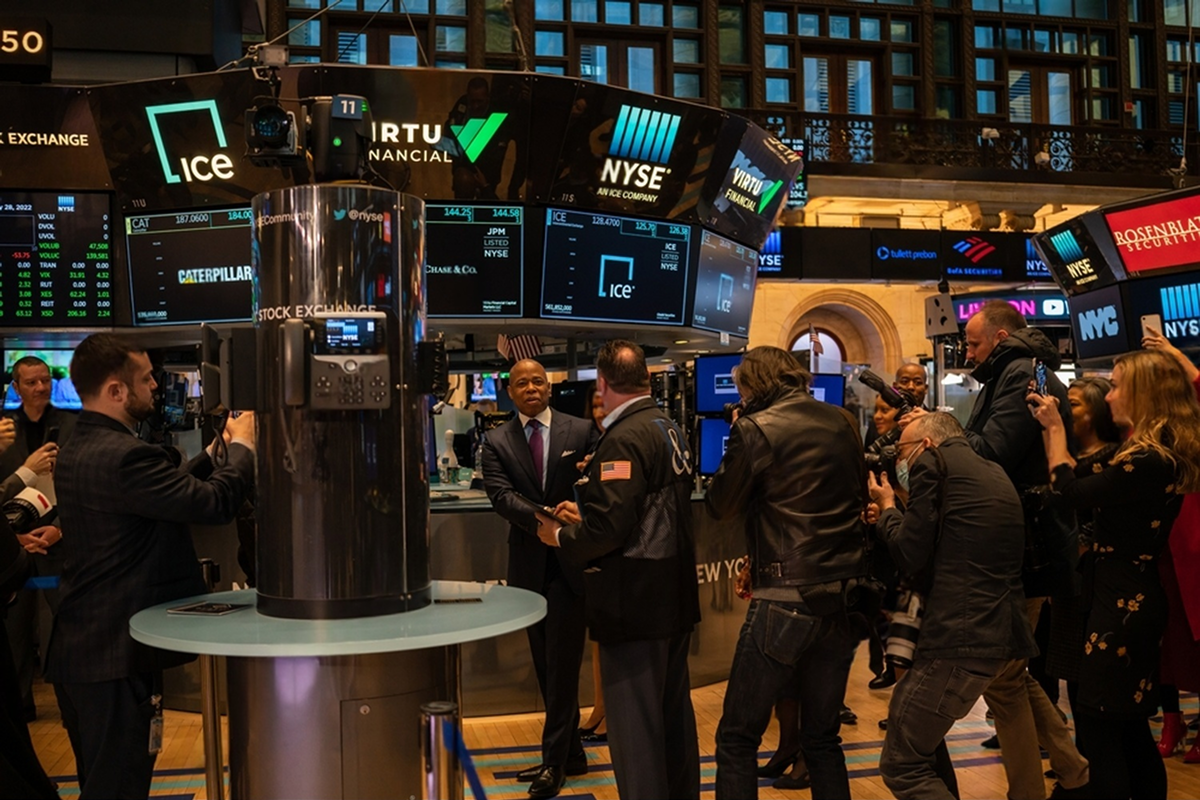
U.S. equity markets opened Friday, July 10, with a mixed performance as investors evaluated the strength of the recent rally and considered the outlook for economic growth. While major indexes remained close to elevated levels, market leadership shifted toward smaller companies, reflecting renewed interest in segments of the market that are more sensitive to domestic economic conditions.
The trading environment remains influenced by expectations surrounding monetary policy, corporate profitability, and global economic stability. For investors in Israel and internationally, Wall Street’s performance continues to serve as a key indicator of broader risk appetite and capital allocation trends.
Small-Cap Stocks Lead as Investors Broaden Market Exposure
The Russell 2000 Index was among the strongest performers during the session, increasing by 1.22% to 2,992.54. The move suggests improving investor confidence toward smaller companies, which often benefit from stronger domestic demand and potential easing in financial conditions.
Meanwhile, the S&P/TSX Composite Index gained 0.39% to 35,337.34, supported by stable sentiment across Canadian equities. The index continues to reflect developments in commodities, financial companies, and broader economic conditions in North America.
The stronger performance of smaller-cap stocks compared with technology-heavy benchmarks highlights a potential shift in market participation. After periods where large technology companies dominated equity gains, investors have increasingly examined opportunities across a wider range of sectors.
Major U.S. Indexes Remain Stable Near Elevated Levels
The S&P 500 was nearly unchanged, rising by 0.02% to 7,545.17, while the Dow Jones Industrial Average increased by 0.12% to 52,552.97. The limited movement indicates a market environment where investors are waiting for additional catalysts before making significant adjustments.
The Nasdaq Composite declined by 0.19% to 26,158.16, reflecting modest pressure on technology shares. The technology sector continues to face questions regarding valuation levels, artificial intelligence investment expectations, and whether future earnings growth can support current market prices.
Despite the softer technology performance, investor sentiment remains supported by expectations that corporate earnings and productivity gains from new technologies could continue supporting equity markets. However, market participants remain focused on whether economic conditions will justify current valuations.
Economic Signals and Policy Expectations Shape Market Direction
The U.S. Dollar Index was largely unchanged at 100.90, indicating limited movement in currency markets as investors assessed global economic conditions. Currency stability remains important for international investors, multinational companies, and global capital flows.
Market participants are continuing to monitor inflation trends, central bank policy signals, and upcoming economic reports. Expectations surrounding interest rates remain one of the most significant factors influencing equity valuations, particularly for growth-oriented companies.
For Israeli investors with exposure to U.S. markets, the current environment highlights the importance of tracking both equity performance and broader macroeconomic developments. Movements in U.S. indexes, currencies, and interest rate expectations can influence global investment sentiment and portfolio positioning.
What Investors Should Monitor Ahead
Looking ahead, investors will focus on upcoming economic indicators, corporate earnings updates, and signals from policymakers regarding future monetary conditions. The ability of markets to maintain momentum may depend on continued earnings strength, economic resilience, and investor confidence in long-term growth trends. Developments in technology, small-cap performance, and global currency markets will remain important factors shaping market direction in the weeks ahead.
Comparison, examination, and analysis between investment houses
Leave your details, and an expert from our team will get back to you as soon as possible
* This article, in whole or in part, does not contain any promise of investment returns, nor does it constitute professional advice to make investments in any particular field.
To read more about the full disclaimer, click here
- orshu
- •
- 6 Min Read
- •
- ago 5 hours
SKN | Asia Markets Mostly Higher on July 10, 2026 as South Korea Leads Recovery While China Slips
Asian markets closed mostly higher on July 10, 2026, as investors extended the rebound seen in recent sessions. Strong gains
- ago 5 hours
- •
- 6 Min Read

Asian markets closed mostly higher on July 10, 2026, as investors extended the rebound seen in recent sessions. Strong gains
- orshu
- •
- 7 Min Read
- •
- ago 7 hours
SKN | Tel Aviv Market Trades Mixed as Blue-Chip Shares Weigh on TA-35 While Broader Indexes Show Resilience
The Tel Aviv Stock Exchange opened with a mixed performance as investors balanced profit-taking in heavyweight stocks against continued buying
- ago 7 hours
- •
- 7 Min Read
The Tel Aviv Stock Exchange opened with a mixed performance as investors balanced profit-taking in heavyweight stocks against continued buying
- orshu
- •
- 6 Min Read
- •
- ago 7 hours
SKN | European Markets End the Week Mixed as Modest Gains Offset Regional Weakness
European markets ended the trading week on July 10, 2026, with a mixed performance as modest gains across several national
- ago 7 hours
- •
- 6 Min Read
European markets ended the trading week on July 10, 2026, with a mixed performance as modest gains across several national
- orshu
- •
- 8 Min Read
- •
- ago 10 hours
SKN | The Global Market Divergence: Why Wall Street Soared While Tel Aviv and Seoul Slipped Into the Red
The trading session on July 9 underscored the profoundly non-linear dynamics governing today’s global financial architecture. While investors in New
- ago 10 hours
- •
- 8 Min Read

The trading session on July 9 underscored the profoundly non-linear dynamics governing today’s global financial architecture. While investors in New


