





- orshu
- •
- 7 Min Read
- •
- 2 hours ago
Key Points
- European equity markets declined broadly, with Germany, France, and major regional indices experiencing significant selling pressure during Wednesday’s session.
- Investor sentiment weakened across major European markets as concerns over economic growth, corporate performance, and global uncertainty influenced risk appetite.
- Currency markets remained relatively stable, with the British pound and euro strengthening modestly despite weakness in regional equities.
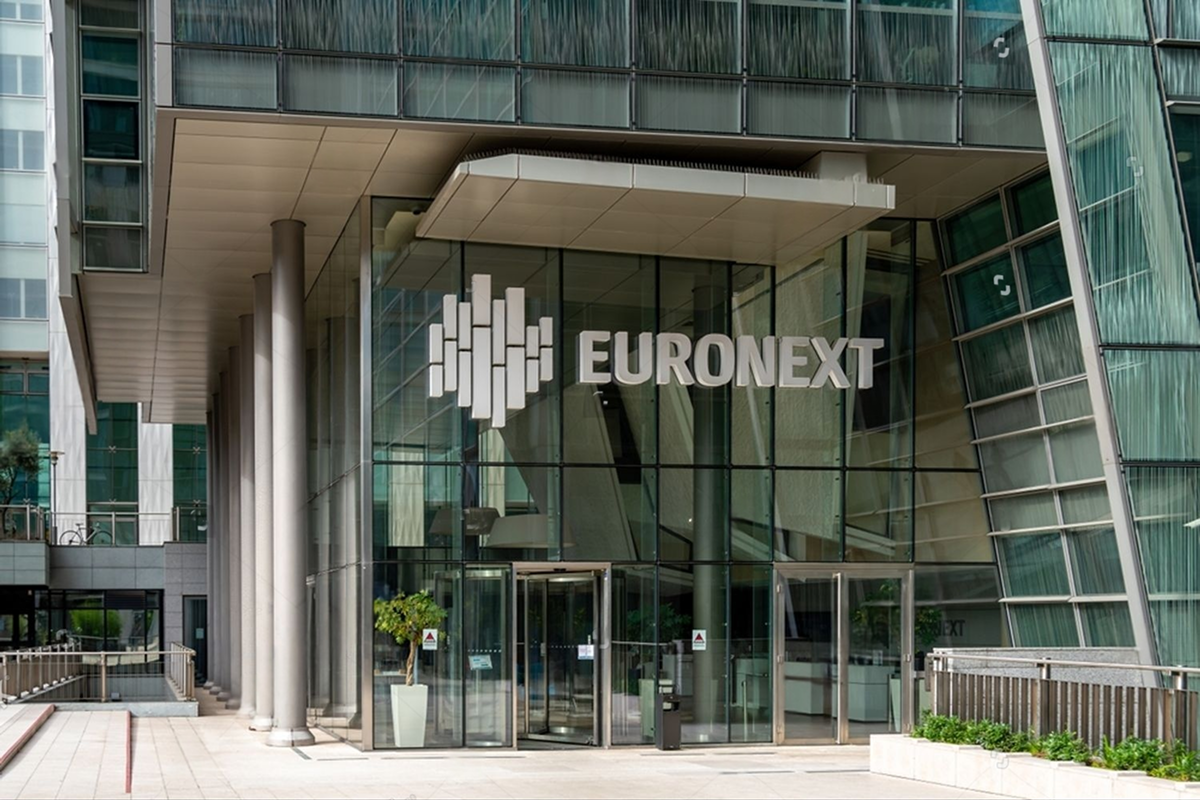
European equity markets closed lower on July 8, with broad-based selling pressure affecting major indices across the region. The decline reflected growing investor caution as markets continued evaluating economic growth prospects, corporate earnings expectations, and global macroeconomic risks.
The weakness was particularly visible among Germany’s DAX and France’s CAC 40, which recorded some of the largest declines during the session. Meanwhile, currency markets remained comparatively stable, suggesting that investors were adjusting equity exposure while maintaining confidence in major European currencies.
German and French Markets Lead Regional Declines
The DAX Index recorded the sharpest decline among major European benchmarks, falling by 2.23% to 24,897.45. Germany’s market remains highly sensitive to industrial activity, global trade conditions, and demand from key export markets, making it vulnerable during periods of heightened economic uncertainty.
French equities also faced significant pressure, with the CAC 40 declining by 2.18% to 8,252.66. The decline reflected broader weakness across European equities as investors reduced exposure to cyclical sectors and reassessed expectations for economic expansion.
The synchronized weakness in Germany and France highlights the challenges facing Europe’s largest economies. Manufacturing pressures, elevated operating costs, and uncertainty surrounding future monetary policy continue influencing corporate confidence and investor positioning.
Broad European Indices Reflect Cautious Investor Sentiment
The broader European market also experienced notable declines. The EURO STOXX 50 Index fell by 1.82% to 6,204.91, reflecting weakness among some of the region’s largest publicly traded companies. The index provides a broad view of European blue-chip performance and often serves as a measure of regional investor confidence.
The MSCI Europe Index declined by 1.76% to 2,766.50, indicating that selling pressure extended beyond individual countries and affected multiple sectors across the continent.
The Euronext 100 Index, which tracks major companies listed across European exchanges, fell by 1.07% to 1,892.15. While the decline was smaller than other major benchmarks, it still reflected a broad reduction in risk appetite among European investors.
The FTSE 100 in the United Kingdom declined by 1.66% to 10,489.04. The British market showed relative resilience compared with continental Europe, supported by its higher exposure to international companies and defensive sectors. However, investors remained cautious as global economic uncertainty continued influencing sentiment.
Currency Markets Show Relative Stability
Despite weakness in equities, European currencies demonstrated limited volatility. The British Pound Index increased by 0.25% to 133.85, while the Euro Index edged higher by 0.03% to 114.12.
The relative stability in currency markets suggests investors were not aggressively reducing European exposure despite the equity sell-off. Currency movements remain closely connected to expectations regarding inflation, interest rates, and central bank policy decisions.
For investors in Israel, European market performance remains relevant due to the region’s importance as a trading partner and investment destination. European economic conditions can influence global supply chains, technology companies, industrial demand, and multinational corporate earnings. Israeli investors with international portfolios also monitor European equities as part of broader geographic diversification strategies.
Outlook: Investors Monitor Economic Data and Corporate Guidance
Looking ahead, investors will closely monitor European economic indicators, corporate earnings updates, inflation trends, central bank decisions, and global market developments for further direction. The key question is whether the current decline represents short-term profit-taking or reflects deeper concerns regarding European growth prospects. Market participants will continue assessing industrial activity, consumer demand, and policy responses as they evaluate opportunities and risks across European equities during the second half of 2026.
Comparison, examination, and analysis between investment houses
Leave your details, and an expert from our team will get back to you as soon as possible
* This article, in whole or in part, does not contain any promise of investment returns, nor does it constitute professional advice to make investments in any particular field.
To read more about the full disclaimer, click here
- orshu
- •
- 8 Min Read
- •
- ago 2 hours
SKN | Tel Aviv Market Slips Again as Mid-Cap Weakness Offsets Stable Blue Chips and Bond Market Extends Decline
Israeli equities closed modestly lower on Wednesday, July 8, as investors remained cautious following the previous session's broad market selloff.
- ago 2 hours
- •
- 8 Min Read

Israeli equities closed modestly lower on Wednesday, July 8, as investors remained cautious following the previous session's broad market selloff.
- orshu
- •
- 7 Min Read
- •
- ago 4 hours
SKN | Wall Street Pulls Back as Investors Turn Cautious Amid Broad-Based Selling
U.S. equities traded lower during Wednesday's session on July 8, as investors adopted a more defensive stance following recent
- ago 4 hours
- •
- 7 Min Read

U.S. equities traded lower during Wednesday's session on July 8, as investors adopted a more defensive stance following recent
- orshu
- •
- 7 Min Read
- •
- ago 8 hours
SKN | Can Rising Oil Prices and Middle East Tensions Derail Global Equity Markets?
Global financial markets faced renewed uncertainty on Wednesday as oil prices surged more than 3% following U.S. military strikes on
- ago 8 hours
- •
- 7 Min Read

Global financial markets faced renewed uncertainty on Wednesday as oil prices surged more than 3% following U.S. military strikes on
- orshu
- •
- 6 Min Read
- •
- ago 9 hours
SKN | Asia Markets Slide on July 8, 2026 as South Korea Drops 5.35% Despite Hong Kong Rally
Asian markets closed mostly lower on July 8, 2026, as another wave of selling swept across the region. Sharp declines
- ago 9 hours
- •
- 6 Min Read

Asian markets closed mostly lower on July 8, 2026, as another wave of selling swept across the region. Sharp declines


