





- Ronny Mor
- •
- 9 Min Read
- •
- 4 hours ago
Key Points
- A historic, multi-year agreement secures advanced custom silicon and wireless connectivity components for Apple’s ecosystem.
- A massive $1.5 billion capital expenditure in Colorado is set to onshore the production of over 15 billion critical chips.
- The transaction serves as the cornerstone of Apple’s broader $600 billion pledge to fortify domestic supply chains against global volatility.
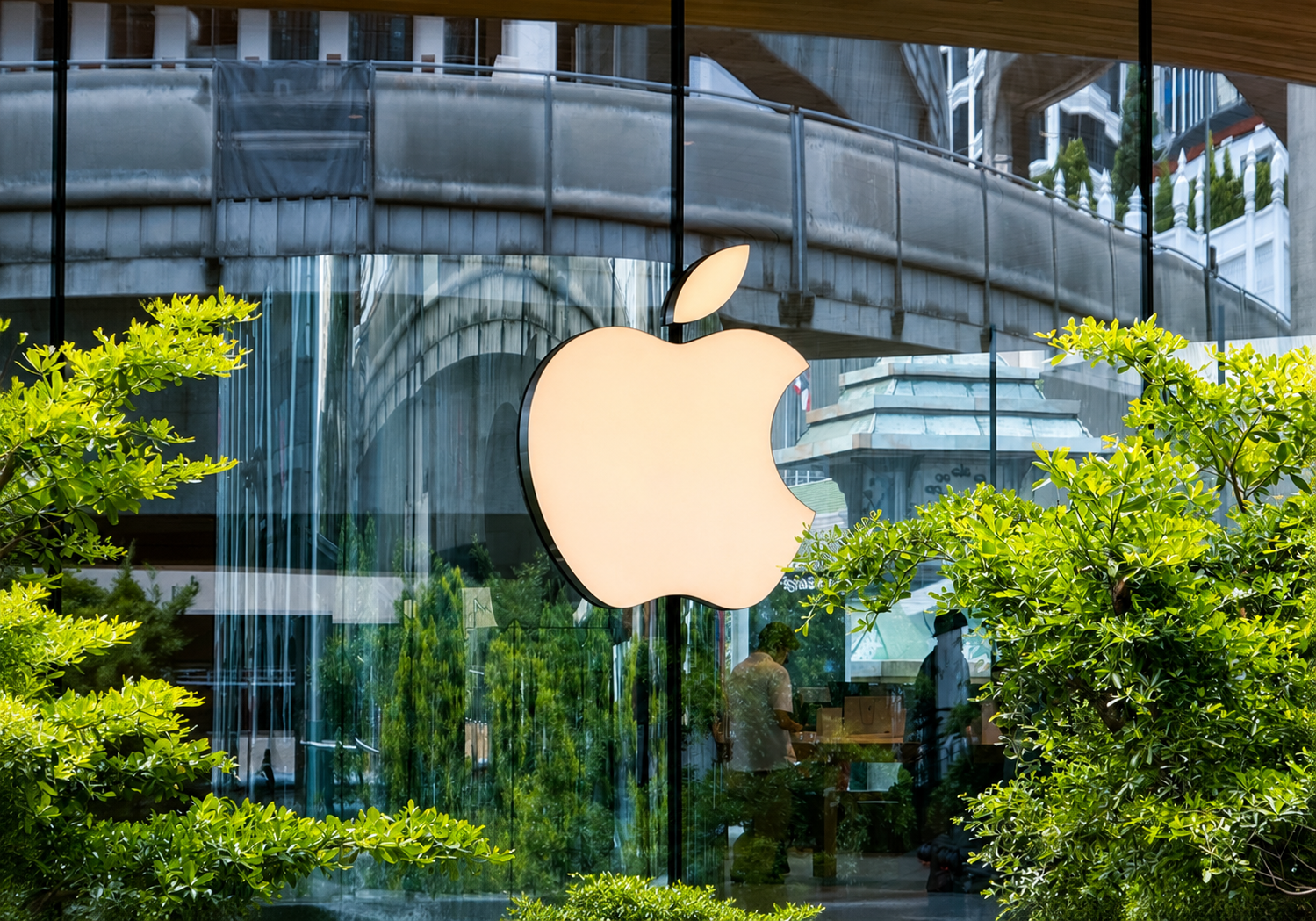
Inside this analysis: The macroeconomic drivers behind supply chain onshoring, the technological pivot in the Colorado industrial hub, and the behavioral factors driving Wall Street’s muted immediate reaction.
The global race for supply chain resilience has reached a definitive milestone following a monumental agreement between technology behemoth Apple and semiconductor giant Broadcom. Valued at over $30 billion, this strategic pact aims to develop and manufacture custom silicon and critical wireless connectivity components entirely within the United States. This development does not occur in a vacuum; it represents a decisive macroeconomic pivot by American corporate giants aiming to systematically decouple from their historical reliance on overseas manufacturing. Against a backdrop of shifting geopolitical currents and fragile global trade dynamics, Apple is aggressively securing its pipeline of essential hardware. By deploying massive capital expenditures domestically, the company is signaling a permanent transition toward long-term operational immunity, prioritizing structural stability over the optimization of short-term production costs.
Supply Chain Strategy and the Pivot to Onshoring
This agreement marks a profound philosophical shift in the procurement strategies of Silicon Valley’s largest players. For decades, the dominant business model relied heavily on massive outsourcing to East Asian manufacturing hubs, driven by the mandate to maximize operating margins and minimize overhead. However, the severe supply chain bottlenecks witnessed in recent years painfully exposed the inherent fragility of this hyper-globalized framework. In response, Apple launched a sweeping national initiative last year, committing to inject an unprecedented $600 billion into the American economy over four years. The renewed alliance with Broadcom is the most tangible and ambitious manifestation of this pledge to date. Transitioning the production of more than 15 billion chips to American soil is designed to guarantee operational continuity, enhance direct quality control, and establish a formidable strategic buffer against international regulatory shocks.
The Technological Edge and the Colorado Industrial Hub
Beyond the sheer financial magnitude of the deal, the agreement demands heavy capital commitments toward the physical infrastructure of the domestic semiconductor industry. Broadcom, serving as an anchor supplier for Apple for years, plans to significantly upgrade and expand its manufacturing facilities in Fort Collins, Colorado. A massive $1.5 billion capital injection will be directed toward developing an industrial hub focused on producing advanced radio frequency components, particularly FBAR filters. These specialized components represent a critical link in noise reduction and data traffic management for high-speed 5G networks. Apple CEO Tim Cook emphasized that the innovation generated at these domestic facilities is a prerequisite for delivering the cutting-edge performance the modern market demands. Simultaneously, Broadcom CEO Hock Tan highlighted the company’s commitment to deepening its industrial footprint in the U.S. This coordinated effort demonstrates that maintaining hardware supremacy now requires tight integration with advanced local manufacturing, situated close to core research and development centers.
Wall Street’s Muted Reception and Investor Psychology
Despite the historic scale of the transaction, the immediate reaction on the trading floor was notably subdued. Following the announcement, Broadcom shares registered a slight pre-market dip of 0.7 percent, while Apple shares retraced by 0.6 percent. From a behavioral finance perspective, this cooling effect is par for the course. Institutional investors routinely price in expectations for such sweeping partnerships long before official press releases cross the wire, exercising the classic “buy the rumor, sell the news” methodology. Furthermore, the equities market historically scrutinizes heavy capital expenditure (CapEx) announcements with profound skepticism. In a macroeconomic environment characterized by elevated interest rates, portfolio managers frequently exhibit a cognitive bias toward the short term, weighing the massive opportunity cost of the project against the potential temporary erosion of free cash flow. While the long-term strategic rationale is undeniably sound, the market demands visible returns on invested capital before awarding a premium to equity valuations.
Looking ahead, the tightening structural bond between Apple and Broadcom sketches a clear blueprint for the future of American hardware manufacturing. By aggressively routing tens of billions of dollars into domestic infrastructure, tech conglomerates are not merely purchasing components; they are underwriting a massive strategic insurance policy for their global operations. While the broader market may digest these capital-intensive moves with near-term indifference, these conservative, moat-building strategies are poised to heavily insulate both companies over the next decade. The defining question for Wall Street is no longer whether domestic manufacturing is necessary, but whether competing hardware firms can deploy capital at a similar scale to close the gap, or if Apple’s operational advantage will simply become insurmountable.
Comparison, examination, and analysis between investment houses
Leave your details, and an expert from our team will get back to you as soon as possible
* This article, in whole or in part, does not contain any promise of investment returns, nor does it constitute professional advice to make investments in any particular field.
To read more about the full disclaimer, click here
- Lior mor
- •
- 6 Min Read
- •
- ago 3 hours
SKN | The $130 Billion Blue Origin Valuation: How It Alters the Pricing of Space Stocks
Fresh Capital and the Repricing of Space Infrastructure Blue Origin's move to raise $10 billion from outside investors fundamentally changes
- ago 3 hours
- •
- 6 Min Read
Fresh Capital and the Repricing of Space Infrastructure Blue Origin's move to raise $10 billion from outside investors fundamentally changes
- Lior mor
- •
- 8 Min Read
- •
- ago 2 weeks
SKN | Qualcomm Acquires Modular to Strengthen AI Software and Data Center Ambitions
Qualcomm is accelerating its push into artificial intelligence infrastructure through the acquisition of AI startup Modular, a move that highlights
- ago 2 weeks
- •
- 8 Min Read

Qualcomm is accelerating its push into artificial intelligence infrastructure through the acquisition of AI startup Modular, a move that highlights

- Ronny Mor
- •
- 7 Min Read
- •
- ago 2 weeks
SKN | Is the AI Boom Entering a New Phase—and Could Broadcom Overtake Nvidia as the Next Big Winner?
The artificial intelligence revolution continues to reshape the global technology landscape, but the market's focus may be shifting from building
- ago 2 weeks
- •
- 7 Min Read
The artificial intelligence revolution continues to reshape the global technology landscape, but the market's focus may be shifting from building


