





- Lior mor
- •
- 6 Min Read
- •
- 3 hours ago
Key Points
- Rivian expects to raise approximately $1.51 billion through its public share offering while increasing its cash reserves to approximately $5.3 billion.
- Preliminary second-quarter revenue guidance exceeded analyst expectations, signaling continued operational improvement despite market volatility.
- Investors will closely monitor the launch of the R2 SUV, autonomous technology investments, and Rivian's progress toward long-term profitability.
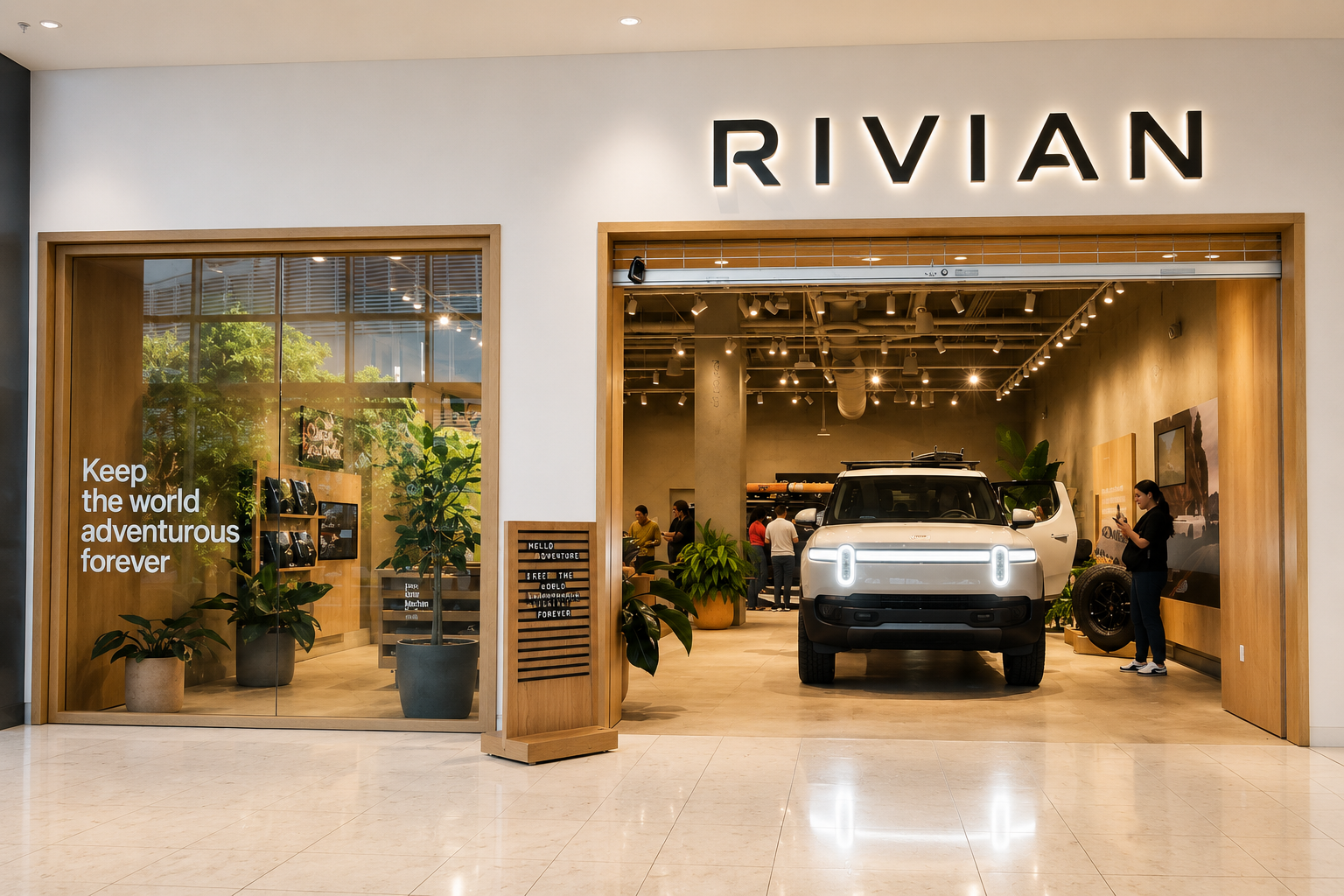
Rivian Automotive shares came under significant pressure after the electric vehicle manufacturer announced plans to raise approximately $1.51 billion through a public stock offering, sending the stock down nearly 15% despite reporting stronger-than-expected preliminary second-quarter results. While equity offerings often trigger investor concerns over shareholder dilution, Rivian’s latest move reflects its strategy of securing capital to accelerate long-term growth initiatives, particularly as it prepares for the launch of its mass-market R2 SUV and expands investments in autonomous vehicle technologies.
Capital Raise Prioritizes Long-Term Expansion
Rivian plans to issue 75 million shares of its Class A common stock, with underwriters receiving a 30-day option to purchase an additional 11.25 million shares. Based on the company’s previous closing share price of $20.14, the offering is expected to generate approximately $1.51 billion before expenses.
The company stated that proceeds from the offering will primarily fund equity contributions required under its loan agreement with the U.S. Department of Energy. Maintaining a strong capital position has become increasingly important as Rivian continues investing heavily in manufacturing capacity, next-generation electric vehicles, software development, and autonomous driving capabilities. Although the financing dilutes existing shareholders, it also reduces liquidity concerns that often weigh on high-growth automotive manufacturers.
Revenue Outlook Signals Operational Progress
At the same time as the capital announcement, Rivian released preliminary second-quarter financial results that painted a more encouraging picture of its underlying business performance. The company expects revenue between $1.55 billion and $1.65 billion for the quarter, comfortably above analysts’ consensus estimate of approximately $1.45 billion.
Rivian also reported that its cash, cash equivalents, and short-term investments increased to an estimated $5.3 billion at the end of the second quarter, compared with $4.8 billion three months earlier. The stronger liquidity position provides additional financial flexibility as Rivian continues executing one of the industry’s most capital-intensive growth strategies.
R2 Launch and Autonomy Drive Future Strategy
The financing follows Rivian’s recent decision to suspend its previous goal of achieving profitability by 2027, citing higher-than-expected research and development spending for autonomous driving systems and future vehicle platforms. Rather than slowing investment, management appears focused on positioning the company for long-term competitiveness in an increasingly technology-driven automotive industry.
Central to that strategy is the upcoming R2 midsize SUV, which is expected to broaden Rivian’s customer base with a more affordable offering than its current premium R1 lineup. Management believes the R2 platform will significantly improve production volumes and manufacturing efficiencies, creating a clearer path toward sustainable profitability later this decade.
Looking ahead, investors will likely evaluate Rivian less on short-term share dilution and more on its ability to convert aggressive investment into accelerating deliveries, improving margins, and stronger cash generation. If the company successfully executes the R2 launch while maintaining revenue momentum and strengthening its balance sheet, the recent capital raise could ultimately be viewed as a strategic investment in Rivian’s long-term growth rather than a sign of financial weakness.
Comparison, examination, and analysis between investment houses
Leave your details, and an expert from our team will get back to you as soon as possible
* This article, in whole or in part, does not contain any promise of investment returns, nor does it constitute professional advice to make investments in any particular field.
To read more about the full disclaimer, click here
- Lior mor
- •
- 8 Min Read
- •
- ago 1 hour
SKN | Mohawk Industries Leads Home Furnishings Sector as First-Quarter Earnings Highlight Operational Resilience
The first-quarter earnings season demonstrated that the consumer discretionary home furnishings sector remains closely tied to the health of
- ago 1 hour
- •
- 8 Min Read
The first-quarter earnings season demonstrated that the consumer discretionary home furnishings sector remains closely tied to the health of

- omer bar
- •
- 8 Min Read
- •
- ago 1 hour
SKN | Dycom Leads Engineering and Design Services as Infrastructure Spending Drives Strong First-Quarter Earnings
The first-quarter earnings season demonstrated that the engineering and design services sector continues to benefit from long-term infrastructure investment,
- ago 1 hour
- •
- 8 Min Read
The first-quarter earnings season demonstrated that the engineering and design services sector continues to benefit from long-term infrastructure investment,

- Ronny Mor
- •
- 8 Min Read
- •
- ago 2 hours
SKN | Radian Group Stands Out as First-Quarter Earnings Reveal a Split Across Property & Casualty Insurers
The first-quarter earnings season underscored an increasingly selective environment for the property and casualty insurance industry, with companies delivering
- ago 2 hours
- •
- 8 Min Read

The first-quarter earnings season underscored an increasingly selective environment for the property and casualty insurance industry, with companies delivering

- orshu
- •
- 8 Min Read
- •
- ago 2 hours
SKN | RH Leads Home Furnishing Retailers as First-Quarter Earnings Reveal a Divided Consumer Landscape
The first-quarter earnings season highlighted a growing divide across the home furnishing and home improvement retail industry. While many
- ago 2 hours
- •
- 8 Min Read
The first-quarter earnings season highlighted a growing divide across the home furnishing and home improvement retail industry. While many


