





- Arik Arkadi Sluzki
- •
- 6 Min Read
- •
- 3 hours ago
Key Points
- Memory semiconductor stocks came under pressure as investors reassessed growth expectations for the sector following weakness in major industry names.
- Micron, Samsung Electronics and SK Hynix remain central players in the AI infrastructure boom, but concerns over pricing cycles and demand sustainability have increased.
- The outlook for memory markets depends on the balance between AI-driven demand, supply discipline, and global technology spending trends.
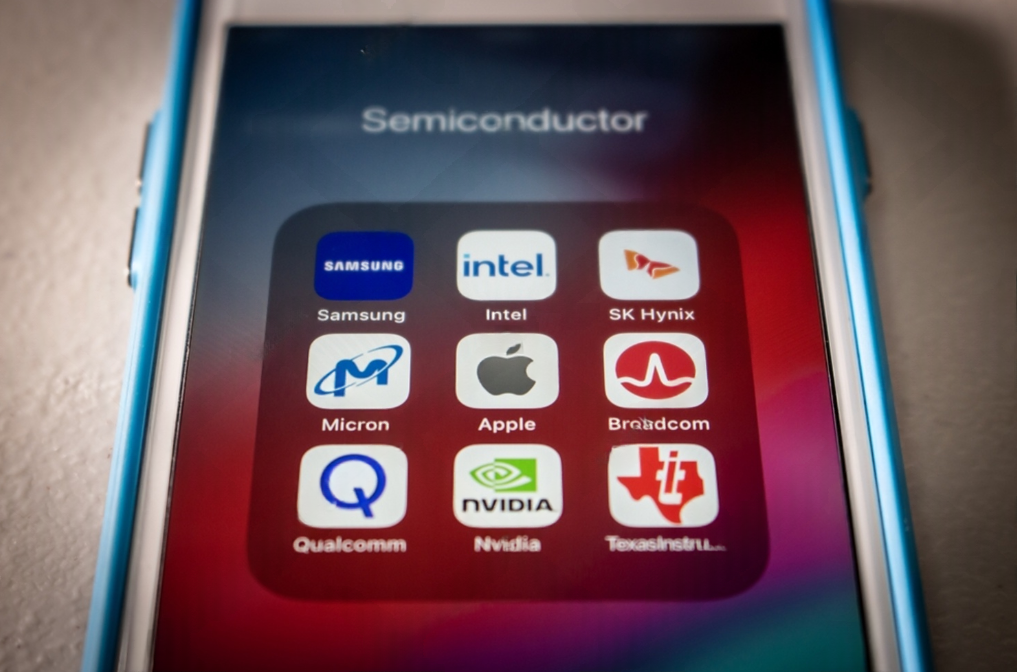
The global semiconductor market experienced renewed volatility this week as major memory chip companies faced a sharp market repricing. Shares of leading manufacturers including Micron Technology, Samsung Electronics and SK Hynix declined as investors questioned whether the recent artificial intelligence-driven rally in memory stocks had moved ahead of underlying fundamentals. The development highlights a broader market debate over the sustainability of AI infrastructure investment and the cyclical nature of the semiconductor industry.
Memory Semiconductor Rally Faces a Reality Check
Memory stocks have been among the strongest performers during the artificial intelligence investment cycle, supported by rising demand for high-bandwidth memory (HBM) products used in advanced AI systems. Companies such as SK Hynix and Micron have benefited from expectations that AI data centers would require significantly greater memory capacity and more advanced semiconductor solutions.
However, the latest market reaction reflects concerns that expectations may have become overly optimistic. Semiconductor stocks often experience sharp cycles driven by changes in supply, pricing power, and inventory levels. While AI demand remains a major structural opportunity, investors are increasingly focused on whether revenue growth can justify elevated valuations across the sector.
AI Demand Remains Strong, but Supply Dynamics Are Critical
The memory industry is currently undergoing a significant transformation as traditional demand drivers from personal computers and smartphones are being supplemented by AI-related applications. High-performance memory used in data centers has become a strategic growth area, benefiting companies with advanced manufacturing capabilities.
At the same time, the industry remains vulnerable to supply-demand imbalances. Memory manufacturers have historically experienced boom-and-bust cycles, where aggressive capacity expansion can eventually pressure prices and profit margins. Investors are monitoring whether companies maintain production discipline or whether increased investment in AI-related capacity could create future oversupply risks.
Global Technology Markets Reassess Semiconductor Expectations
The weakness in memory stocks comes amid broader adjustments across technology markets, where investors are evaluating the long-term economic impact of artificial intelligence spending. While AI infrastructure investment continues to expand, questions remain regarding the pace of adoption, customer returns on AI investments, and the timing of future technology spending cycles.
For global investors, including Israeli institutions with exposure to international technology markets, the semiconductor sector remains a key indicator of broader equity sentiment. Developments in memory chips often influence expectations for the wider technology ecosystem, from equipment manufacturers to cloud infrastructure providers.
Outlook: Looking ahead, the memory semiconductor sector is likely to remain highly sensitive to earnings guidance, pricing trends, and signals from major technology companies regarding AI infrastructure spending. The long-term opportunity from artificial intelligence remains significant, but investors may increasingly differentiate between companies with sustainable competitive advantages and those dependent on cyclical momentum. Key risks include slower-than-expected AI adoption, renewed supply pressures, weaker global growth, and currency volatility affecting international technology companies. At the same time, continued demand for advanced computing capacity and disciplined industry investment could provide support for leading memory producers over the longer term.
Comparison, examination, and analysis between investment houses
Leave your details, and an expert from our team will get back to you as soon as possible
* This article, in whole or in part, does not contain any promise of investment returns, nor does it constitute professional advice to make investments in any particular field.
To read more about the full disclaimer, click here
- Arik Arkadi Sluzki
- •
- 8 Min Read
- •
- ago 2 hours
SKN | Palantir’s AI Momentum Fuels Rally, but Can Explosive Growth Justify Its Premium Valuation?
Palantir Technologies (NASDAQ: PLTR) continued extending its remarkable rally on Monday, climbing more than 4% to trade near $138
- ago 2 hours
- •
- 8 Min Read

Palantir Technologies (NASDAQ: PLTR) continued extending its remarkable rally on Monday, climbing more than 4% to trade near $138

- orshu
- •
- 7 Min Read
- •
- ago 4 hours
SKN | Wall Street Turns Bullish on SpaceX as Analyst Coverage Begins Following Quiet Period
The expiration of SpaceX's post-listing quiet period marked one of the week's most closely watched developments across global equity
- ago 4 hours
- •
- 7 Min Read

The expiration of SpaceX's post-listing quiet period marked one of the week's most closely watched developments across global equity

- omer bar
- •
- 6 Min Read
- •
- ago 8 hours
SKN | Can Tesla’s Miami Robotaxi Expansion Revive Investor Confidence?
Tesla has reached another milestone in its autonomous driving strategy by launching its Robotaxi service in Miami, marking the company's
- ago 8 hours
- •
- 6 Min Read

Tesla has reached another milestone in its autonomous driving strategy by launching its Robotaxi service in Miami, marking the company's

- Lior mor
- •
- 6 Min Read
- •
- ago 9 hours
SKN | Why Is Synopsys Shifting Away From Chip Manufacturing Software to Focus on AI Design?
Synopsys is reportedly restructuring part of its semiconductor software portfolio by discontinuing selected manufacturing process control products as it redirects
- ago 9 hours
- •
- 6 Min Read

Synopsys is reportedly restructuring part of its semiconductor software portfolio by discontinuing selected manufacturing process control products as it redirects


