





- orshu
- •
- 7 Min Read
- •
- 3 hours ago
Key Points
- Germany's DAX and the British Pound Index posted modest gains, providing limited support to European markets.
- Most major European equity benchmarks finished lower, led by declines in the MSCI Europe Index and CAC 40.
- Investors remain focused on upcoming economic data, corporate earnings, and central bank expectations as the new trading week begins.
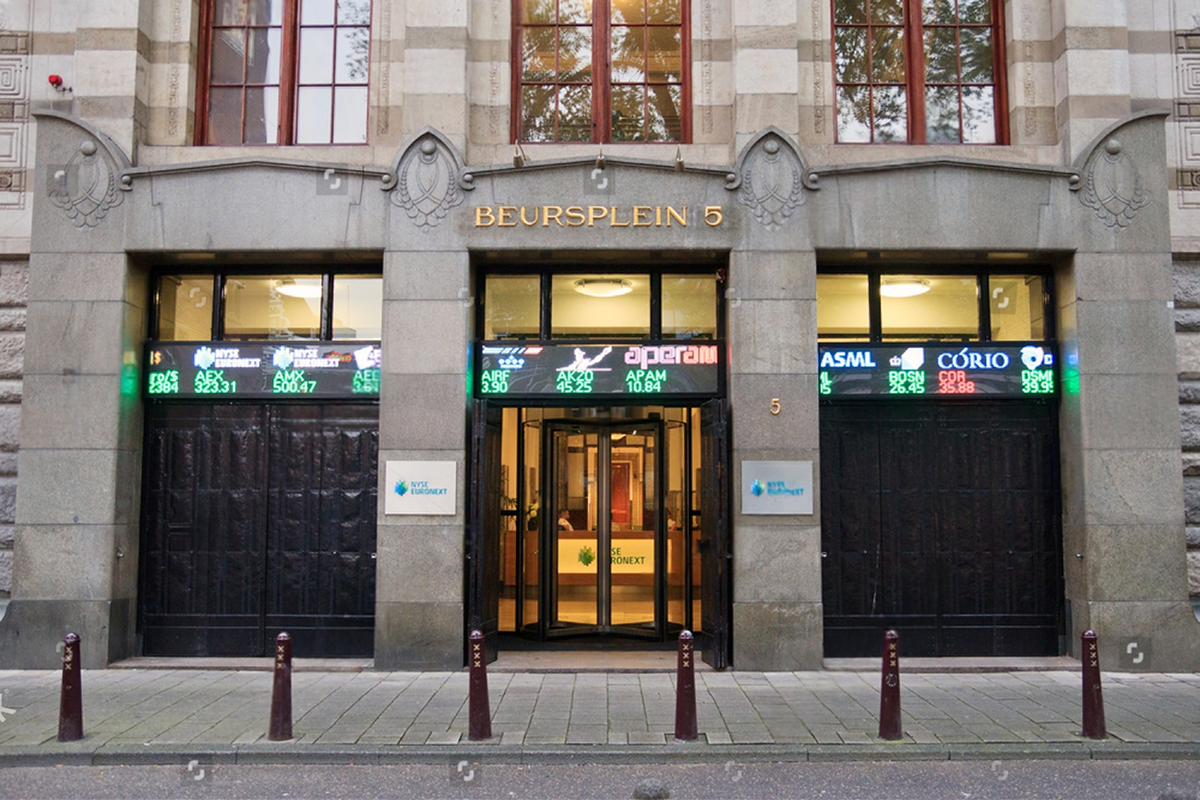
European markets closed on July 6 with a mixed performance as selective strength in Germany was offset by broader weakness across regional equity benchmarks. While the DAX managed to edge higher and the British Pound Index advanced, most major European indices ended the session in negative territory as investors adopted a cautious stance ahead of fresh macroeconomic catalysts.
The trading session reflected a market searching for direction following recent gains across European equities. Investors continued balancing resilient corporate fundamentals with uncertainty surrounding inflation trends, monetary policy, and the outlook for global economic growth.
Germany Outperforms While Broader European Markets Lose Momentum
Germany’s DAX closed higher by 0.15%, finishing at 25,817.89, demonstrating continued resilience despite softer sentiment elsewhere in Europe. The modest gain suggests investors remain confident in Germany’s large-cap industrial, manufacturing, and technology companies, which continue to benefit from improving global demand expectations.
In contrast, several regional benchmarks finished lower. The MSCI Europe Index declined 0.46%, representing the weakest performance among the major indices monitored during the session. France’s CAC 40 fell 0.33%, while the FTSE 100 slipped 0.26% as investors locked in recent gains following last week’s broader market advance.
The EURO STOXX 50 also eased by 0.23%, highlighting that weakness extended across many of the euro area’s largest blue-chip companies. Meanwhile, the Euronext 100 Index declined 0.21%, reflecting similarly cautious positioning among continental European investors.
Currency Markets Signal Stable Conditions Despite Equity Weakness
Currency markets remained relatively stable throughout the session. The British Pound Index gained 0.18%, suggesting continued confidence in sterling despite mixed equity market performance. Meanwhile, the Euro Index slipped just 0.04%, indicating limited volatility in the region’s primary currency.
The relatively modest moves in foreign exchange markets suggest investors are not yet pricing in significant changes to the monetary policy outlook from either the European Central Bank or the Bank of England. Instead, market participants appear to be waiting for additional economic data before reassessing expectations for future interest-rate decisions.
Stable currency conditions also helped prevent larger declines in export-oriented companies, particularly within Germany’s manufacturing sector, where a predictable exchange-rate environment supports international competitiveness.
Investor Focus Shifts Toward Earnings Season and Economic Data
The relatively subdued trading session reflects a broader pause following recent market strength across European equities. Investors are increasingly shifting their attention toward the upcoming corporate earnings season, which will provide important insight into profit margins, consumer demand, and management expectations for the second half of the year.
For global investors, including institutional portfolios in Israel, developments across European markets remain significant due to the region’s close trade relationships with both North America and Asia. European economic performance frequently influences multinational corporations, financial institutions, industrial exporters, and global supply chains.
Sector performance will remain an important area to watch. Industrial companies, financial institutions, luxury goods manufacturers, healthcare firms, and energy producers are expected to provide valuable signals regarding the strength of regional demand and the resilience of corporate earnings as economic conditions continue evolving.
Looking ahead, investors will closely monitor inflation reports, central bank commentary, corporate earnings releases, manufacturing surveys, and broader macroeconomic indicators across the eurozone and the United Kingdom. Market participants will also evaluate whether Germany’s relative strength can extend to the broader region or whether profit-taking continues following recent gains. While July 6 ended with mixed results, European equities remain positioned between resilient corporate fundamentals and ongoing macroeconomic uncertainty, making upcoming economic releases increasingly important for determining the market’s next direction.
Comparison, examination, and analysis between investment houses
Leave your details, and an expert from our team will get back to you as soon as possible
* This article, in whole or in part, does not contain any promise of investment returns, nor does it constitute professional advice to make investments in any particular field.
To read more about the full disclaimer, click here
- omer bar
- •
- 6 Min Read
- •
- ago 2 hours
SKN | Can Technology Stocks Drive Wall Street to New Records After the Dow Briefly Crosses 53,000?
U.S. equities began the new trading week on a positive note as investors extended the momentum generated during a strong
- ago 2 hours
- •
- 6 Min Read

U.S. equities began the new trading week on a positive note as investors extended the momentum generated during a strong

- orshu
- •
- 7 Min Read
- •
- ago 3 hours
SKN | Tel Aviv Stocks Extend July Recovery as Broad-Based Buying Lifts TA-125 and Bond Market Advances
Israeli equities opened the new trading week on a strong footing, with broad-based buying pushing all major stock indices higher
- ago 3 hours
- •
- 7 Min Read

Israeli equities opened the new trading week on a strong footing, with broad-based buying pushing all major stock indices higher
- orshu
- •
- 7 Min Read
- •
- ago 5 hours
SKN | Nasdaq Leads Wall Street Higher as Investors Balance Growth Momentum With Regional Weakness
U.S. equity markets traded higher during the opening session on July 6, as investors continued rotating into technology and
- ago 5 hours
- •
- 7 Min Read

U.S. equity markets traded higher during the opening session on July 6, as investors continued rotating into technology and
- orshu
- •
- 6 Min Read
- •
- ago 9 hours
SKN | Asia Markets Mixed on July 6, 2026 as Hong Kong Leads Gains While South Korea Extends Weakness
Asian markets delivered a mixed performance on July 6, 2026, as gains in Hong Kong and India were offset by
- ago 9 hours
- •
- 6 Min Read

Asian markets delivered a mixed performance on July 6, 2026, as gains in Hong Kong and India were offset by


