





- Ronny Mor
- •
- 6 Min Read
- •
- 15 hours ago
Key Points
- Explosive growth in AI infrastructure is driving electricity demand to unprecedented levels across global tech hubs.
- Power grid limitations and slow permitting processes are emerging as key constraints on hyperscale expansion.
- Big Tech firms are increasingly locking in long-term energy deals and investing directly in power generation.
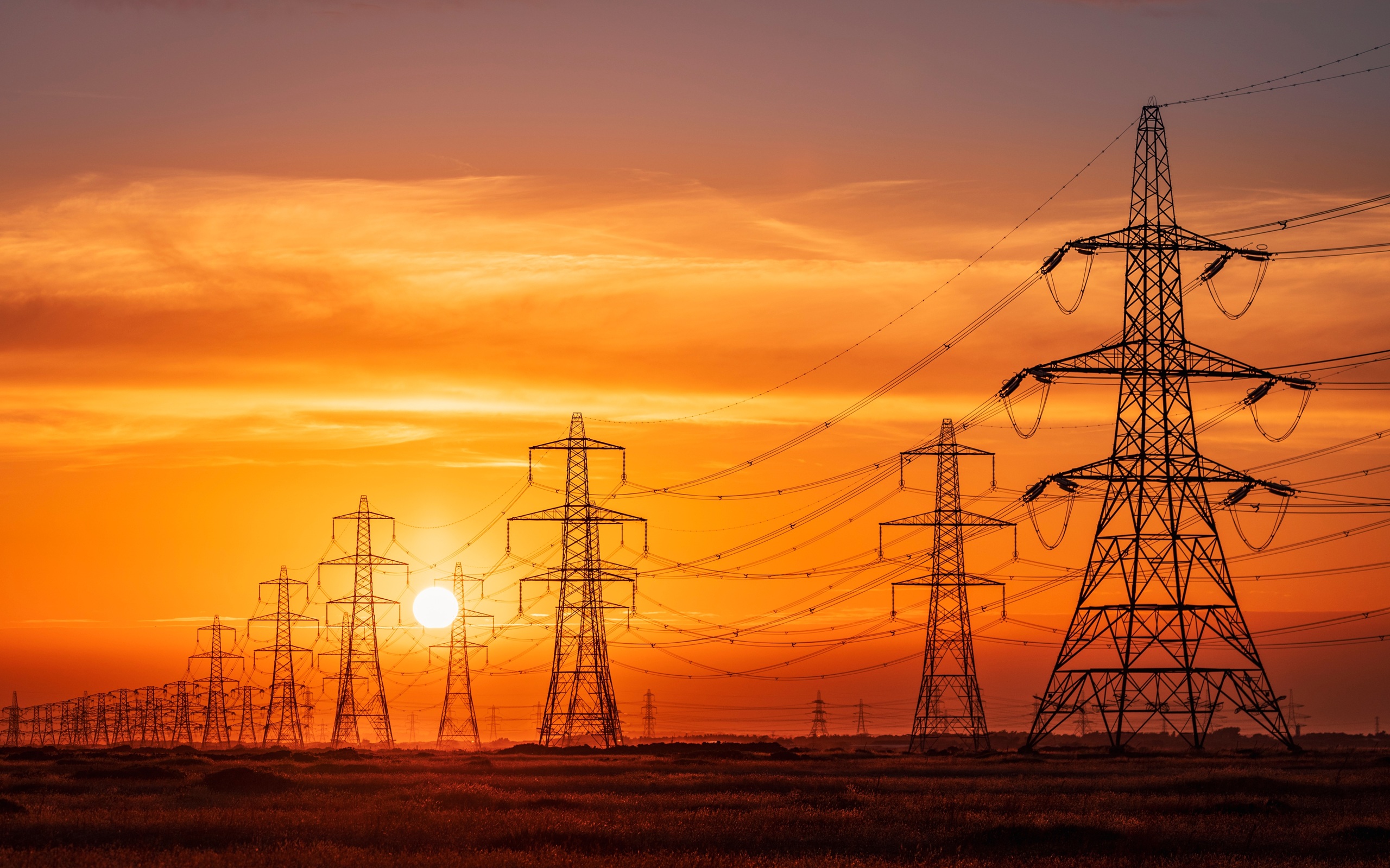
The rapid expansion of artificial intelligence infrastructure has created an unexpected structural challenge for the global technology sector: electricity availability. As hyperscale companies collectively approach and exceed a multi-trillion-dollar market footprint tied to AI-driven growth, the limiting factor is shifting away from semiconductors and capital—and toward power supply. The result is a growing mismatch between digital ambition and physical energy constraints.
AI Expansion Meets Physical Limits
The current wave of AI investment is heavily concentrated in data center buildouts, which are significantly more energy-intensive than traditional cloud infrastructure. Training and running large-scale AI models requires continuous, high-density computing, pushing electricity consumption per facility sharply higher.
This shift is already visible in key regions such as the United States, Ireland, and parts of Asia, where clusters of hyperscale data centers are straining local grids. In several markets, utility providers have reported delays in connecting new facilities due to transmission bottlenecks and insufficient available capacity.
Estimates from energy researchers suggest that global electricity demand from data centers could rise sharply over the coming years, potentially doubling by the end of the decade if AI adoption continues at its current pace. For Big Tech firms, this introduces a structural constraint that does not scale as quickly as software demand or cloud revenue.
Grid Pressure and the Infrastructure Gap
Electricity grids are proving to be one of the least flexible components of the AI investment cycle. While technology companies can deploy capital rapidly, power infrastructure requires long development timelines, including permitting, environmental assessments, and construction of generation and transmission assets.
This gap between demand and supply is creating a backlog of energy requests in several regions. In areas such as Northern Virginia—one of the world’s largest data center hubs—utilities are increasingly prioritizing upgrades and rationing capacity to manage load growth.
In Europe, the challenge is compounded by regulatory constraints tied to decarbonization targets and energy security concerns. These factors are slowing down the expansion of large-scale energy-intensive facilities, even as demand from cloud and AI workloads continues to accelerate.
Big Tech’s Strategic Shift Toward Energy Security
In response, major technology companies are beginning to treat energy access as a core strategic input. Long-term power purchase agreements are becoming standard practice, allowing firms to secure fixed electricity supply from renewable sources over multi-decade horizons.
At the same time, several hyperscalers are directly investing in energy infrastructure, including wind, solar, and early-stage nuclear technologies. These investments reflect a broader shift in strategy: ensuring that compute capacity is not constrained by external grid limitations.
Operationally, companies are also optimizing data center efficiency through advanced cooling systems and AI-driven workload balancing, which shifts computing tasks across regions based on energy availability and cost.
Despite these measures, the scale of AI expansion suggests that energy demand may continue to outpace supply in certain regions, creating persistent friction between digital growth ambitions and physical infrastructure realities. For investors and policymakers, electricity access is becoming an increasingly important indicator of future AI scalability and technology sector resilience.
Comparison, examination, and analysis between investment houses
Leave your details, and an expert from our team will get back to you as soon as possible
* This article, in whole or in part, does not contain any promise of investment returns, nor does it constitute professional advice to make investments in any particular field.
To read more about the full disclaimer, click here
- Ronny Mor
- •
- 7 Min Read
- •
- ago 6 days
SKN | ECB Inflation Warning Reinforces Higher-for-Longer Rate Outlook Across Europe
European financial markets spent the week digesting renewed warnings from one of the European Central Bank's senior policymakers that
- ago 6 days
- •
- 7 Min Read

European financial markets spent the week digesting renewed warnings from one of the European Central Bank's senior policymakers that

- Arik Arkadi Sluzki
- •
- 6 Min Read
- •
- ago 7 days
SKN | Volkswagen Falls to 15-Year Low as Job Cut Reports Deepen Structural Auto Sector Concerns
Volkswagen has come under significant selling pressure after reports indicated that the company may consider up to 100,000 job
- ago 7 days
- •
- 6 Min Read
Volkswagen has come under significant selling pressure after reports indicated that the company may consider up to 100,000 job

- sagi habasov
- •
- 7 Min Read
- •
- ago 2 weeks
SKN | The Constrained Capacity Regime: How AI Infrastructure Demand Reshapes Semiconductor Market Dynamics
Structural Shifts in Semiconductor Pricing Mechanisms The rapid expansion of capital expenditure by hyperscale technology firms into artificial intelligence infrastructure
- ago 2 weeks
- •
- 7 Min Read
Structural Shifts in Semiconductor Pricing Mechanisms The rapid expansion of capital expenditure by hyperscale technology firms into artificial intelligence infrastructure
- Ronny Mor
- •
- 8 Min Read
- •
- ago 2 weeks
SKN | AI Reshaping the Labor Market as Tech Leaders Warn of Accelerating Disruption
Artificial intelligence is increasingly becoming a defining force in global labor market dynamics, with senior technology executives warning of a
- ago 2 weeks
- •
- 8 Min Read
Artificial intelligence is increasingly becoming a defining force in global labor market dynamics, with senior technology executives warning of a


