





- sagi habasov
- •
- 7 Min Read
- •
- 3 hours ago
Key Points
- Nvidia's stock has remained largely unchanged in 2026 despite continued leadership in artificial intelligence infrastructure and semiconductor innovation.
- Investors are balancing exceptional earnings growth against elevated valuation expectations and intensifying competition across AI hardware.
- Future performance will likely depend on sustained AI spending, next-generation product launches, and continued expansion of hyperscale cloud investment.
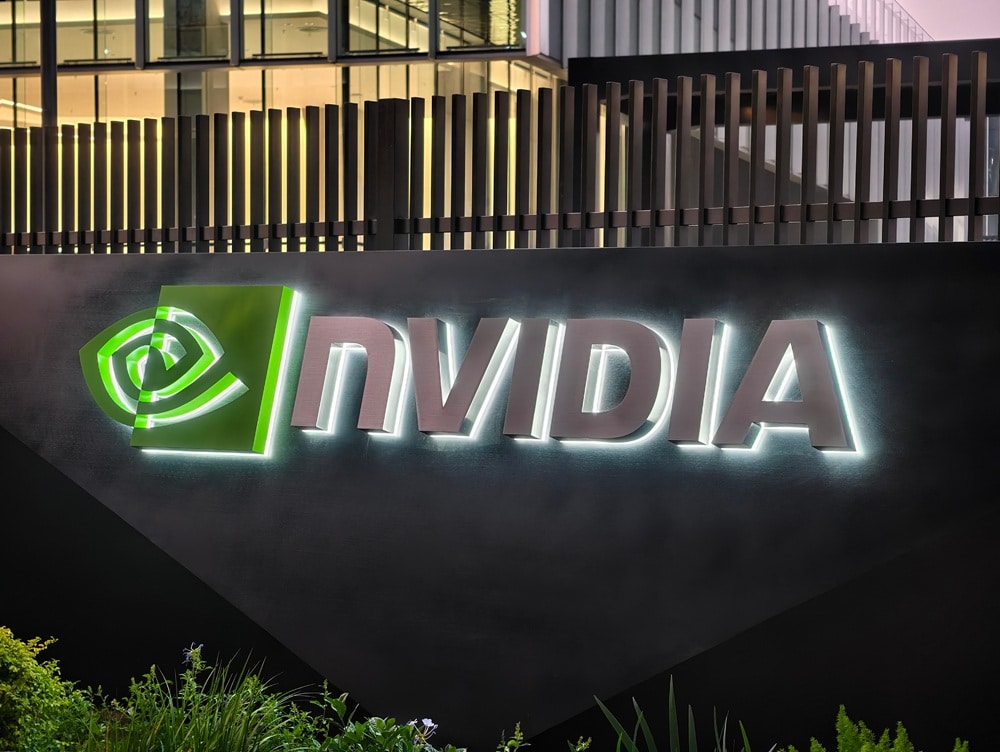
Nvidia Corporation (NASDAQ: NVDA) has been one of the defining technology success stories of the AI era, yet its stock has delivered only modest gains so far in 2026. After years of extraordinary appreciation fueled by unprecedented demand for AI accelerators and data center processors, the shares have entered a period of consolidation as investors reassess valuation, future earnings potential, and the pace of artificial intelligence infrastructure spending.
The slower share-price performance does not necessarily indicate weakening fundamentals. Instead, it reflects the increasingly difficult challenge of exceeding already elevated market expectations. For institutional investors worldwide, including those in Israel, Nvidia remains a key indicator of broader technology investment and global AI adoption.
Strong Fundamentals Continue to Support the AI Investment Thesis
Nvidia continues to dominate the market for high-performance graphics processors used in artificial intelligence training, inference computing, cloud infrastructure, and advanced data centers. Demand from hyperscale cloud providers, enterprise customers, sovereign AI projects, and research institutions remains robust as organizations accelerate investments in generative AI applications.
The company’s financial performance has consistently exceeded market expectations over recent quarters, supported by expanding revenue, exceptional operating margins, and industry-leading profitability. Nvidia has also maintained a strong competitive position through continuous product innovation, including next-generation GPU architectures and integrated AI software platforms that deepen customer relationships.
While these structural advantages remain intact, investors increasingly recognize that extraordinary earnings growth eventually becomes more difficult to sustain as the company’s revenue base expands.
Valuation Expectations Have Become Increasingly Demanding
Following several years of exceptional gains, Nvidia now trades at valuation multiples that already reflect substantial future growth expectations. This means future stock performance will likely depend not only on strong earnings but also on the company’s ability to consistently outperform ambitious analyst forecasts.
Competition is also becoming more intense. Advanced Micro Devices, Intel, and several custom silicon developers continue investing heavily in AI processors, while major cloud providers increasingly design proprietary chips for internal workloads. Although Nvidia maintains significant technological leadership, the competitive landscape continues evolving rapidly.
Macroeconomic conditions also remain relevant. Higher interest rates, shifting capital expenditure priorities, or slower enterprise technology spending could temporarily moderate demand growth, even as the long-term AI investment cycle remains intact.
Global AI Spending Continues Expanding Beyond Semiconductor Hardware
Nvidia’s influence extends well beyond semiconductor manufacturing. Its ecosystem increasingly supports cloud computing, robotics, autonomous driving, healthcare, cybersecurity, industrial automation, and scientific computing. This diversification provides multiple long-term growth opportunities that extend beyond traditional graphics processing.
For global investors, including institutional portfolios across Israel, Nvidia has become more than a semiconductor company—it represents a proxy for worldwide AI infrastructure investment. Consequently, its earnings reports frequently influence broader market sentiment across technology indices, semiconductor suppliers, cloud computing companies, and AI software developers.
Although some market commentators have debated whether investors should rotate into alternative technology names following Nvidia’s remarkable appreciation, such opinions should be viewed as analytical perspectives rather than investment recommendations. Professional investors generally assess companies based on sustainable earnings power, competitive advantages, free cash flow generation, and long-term industry positioning instead of short-term price movements.
Looking ahead, investors will closely monitor quarterly earnings, AI infrastructure spending by hyperscale cloud providers, customer demand for next-generation Blackwell and future GPU platforms, export regulations, and competitive developments within the semiconductor industry. Continued expansion of enterprise AI adoption, sovereign computing investments, and software ecosystem growth will remain critical drivers of Nvidia’s long-term outlook. While the stock’s performance has paused in 2026, the company’s strategic importance within the global artificial intelligence ecosystem continues to position it among the most closely watched technology leaders in international equity markets.
Comparison, examination, and analysis between investment houses
Leave your details, and an expert from our team will get back to you as soon as possible
* This article, in whole or in part, does not contain any promise of investment returns, nor does it constitute professional advice to make investments in any particular field.
To read more about the full disclaimer, click here
- orshu
- •
- 7 Min Read
- •
- ago 3 hours
SKN | SpaceX Approaches Its First Public Earnings Report: What Will Investors Be Watching?
The public debut of SpaceX has transformed one of the world's most closely followed private companies into a major
- ago 3 hours
- •
- 7 Min Read
The public debut of SpaceX has transformed one of the world's most closely followed private companies into a major

- Ronny Mor
- •
- 6 Min Read
- •
- ago 1 day
SKN | Is Ford Stock Still Worth Buying After Delivering Just an 87% Return in 10 Years?
Ford Motor Company remains one of America's most recognizable automotive manufacturers, but its long-term stock performance tells a more nuanced
- ago 1 day
- •
- 6 Min Read

Ford Motor Company remains one of America's most recognizable automotive manufacturers, but its long-term stock performance tells a more nuanced

- omer bar
- •
- 6 Min Read
- •
- ago 1 day
SKN | Why Is Meta Spending Up to $145 Billion on AI Infrastructure in 2026?
Meta Platforms is making one of the largest artificial intelligence investments in corporate history, planning to spend between $125 billion
- ago 1 day
- •
- 6 Min Read

Meta Platforms is making one of the largest artificial intelligence investments in corporate history, planning to spend between $125 billion
- omer bar
- •
- 6 Min Read
- •
- ago 1 day
SKN | Can Micron Technology Realistically Reach a $2,000 Share Price?
Micron Technology remains one of the strongest beneficiaries of the artificial intelligence infrastructure boom, with robust demand for advanced memory
- ago 1 day
- •
- 6 Min Read
Micron Technology remains one of the strongest beneficiaries of the artificial intelligence infrastructure boom, with robust demand for advanced memory


