





- Lior mor
- •
- 8 Min Read
- •
- 12 hours ago
Key Points
- Japan's Nikkei 225 falls 2.40%, marking the steepest decline among the region's major equity benchmarks during Thursday's morning session.
- India's S&P BSE Sensex rises 0.58% and China's SSE Composite Index gains 0.44%, providing support to regional sentiment despite broader weakness.
- Australia's S&P/ASX 200 and Hong Kong's Hang Seng Index trade lower, while currency markets remain relatively stable with only modest movements in the Japanese yen and Australian dollar.
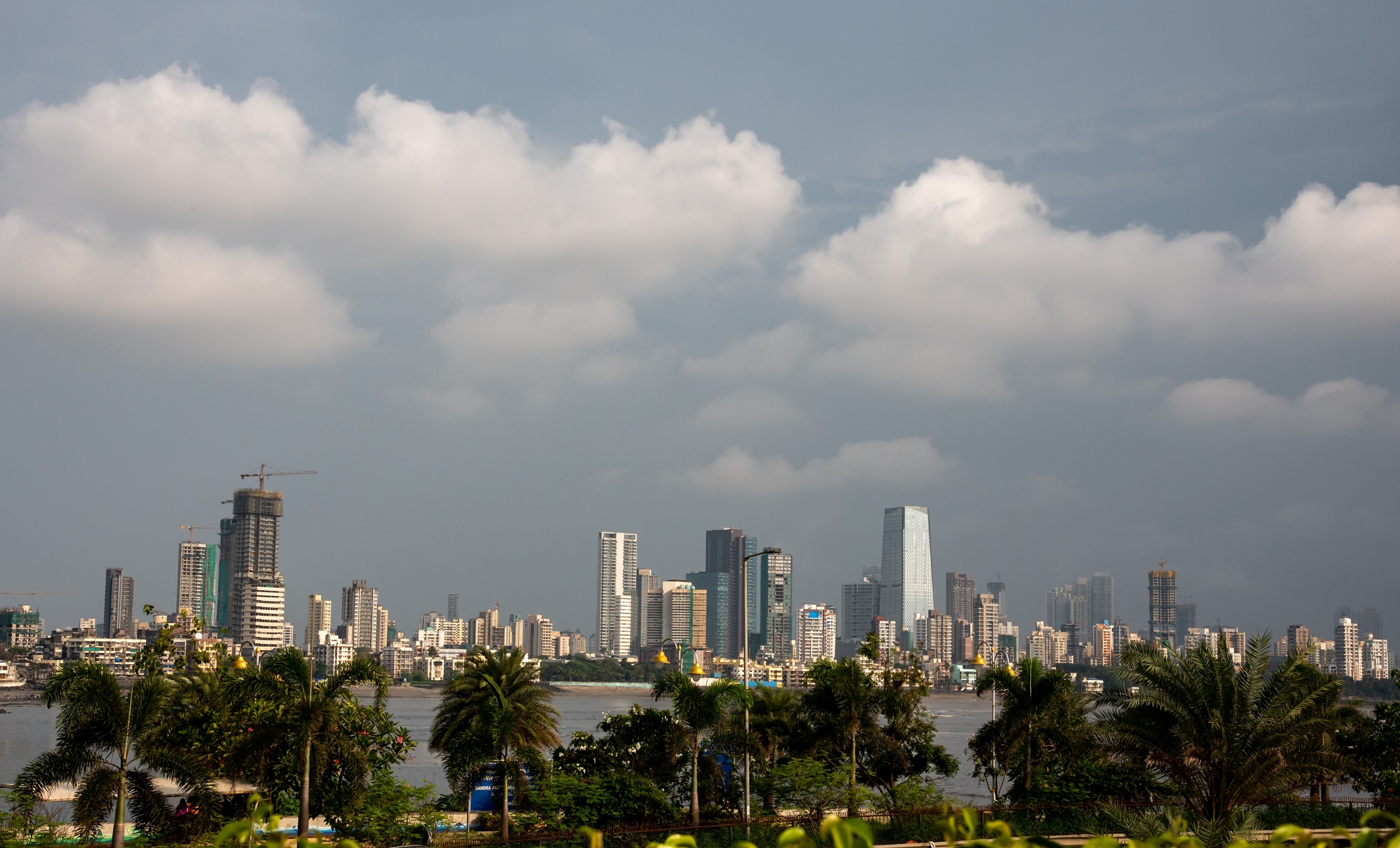
Asian equity markets traded with mixed performance during Thursday morning’s session on July 2, reflecting a divided investment landscape across the Asia-Pacific region. India and mainland China posted moderate gains, while Japan experienced a sharp selloff that weighed on overall regional sentiment. Hong Kong and Australia also traded lower, highlighting continued caution among investors as they evaluate corporate earnings prospects, economic growth expectations, monetary policy signals, and cross-border capital flows.
The uneven performance suggests that investors remain highly selective in their allocations. Rather than embracing broad-based risk-taking, market participants continue favoring individual markets with relatively stronger domestic fundamentals while reducing exposure to areas facing greater uncertainty.
Japan Slides Sharply While India and China Provide Support
Japan recorded the weakest performance among the major Asian equity benchmarks during Thursday’s morning session. The Nikkei 225 dropped 2.40% to 68,784.62, reversing recent gains as investors reduced exposure to export-oriented manufacturers, technology companies, and industrial shares. The decline placed significant pressure on regional market sentiment and made Japan the clear laggard among Asia’s major markets.
In contrast, India’s S&P BSE Sensex advanced 0.58% to 76,922.64, delivering the strongest positive performance among the tracked equity benchmarks. The gain reflected continued confidence in India’s domestic economy, supported by resilient consumer demand, infrastructure investment, and expectations for steady corporate earnings.
Mainland China also traded higher, with the SSE Composite Index rising 0.44% to 4,112.45. The benchmark remained comfortably above the 4,000 level, suggesting investors continued to selectively accumulate domestic Chinese equities despite mixed sentiment elsewhere across the region. The positive move indicates ongoing confidence in sectors linked to industrial activity and domestic economic growth.
The contrast between Japan’s sharp decline and the gains in India and China underscores the fragmented nature of regional investor positioning during the morning session.
Hong Kong and Australia Extend Regional Weakness
Elsewhere in Asia, trading remained subdued. Hong Kong’s Hang Seng Index fell 0.63% to 22,881.02, extending its recent weakness as investors maintained a cautious stance toward Hong Kong-listed companies and China-related growth sectors. The decline left the benchmark among the weaker performers in the region despite mainland China’s positive showing.
Australia’s S&P/ASX 200 declined 0.52% to 8,677.50, reflecting softer sentiment toward financial, mining, and resource-related shares. The modest pullback suggested investors remained defensive despite relatively stable commodity market conditions.
South Korea’s KOSPI Composite Index was quoted at 7,777.45 in the available market data, although no percentage change was provided during the morning session. As a result, investors are likely monitoring developments in Seoul without a confirmed indication of the market’s daily direction.
The mixed performance across Northeast Asia and the Pacific illustrates that regional leadership remains concentrated in only a handful of markets rather than reflecting synchronized buying across Asia.
Currency Markets Remain Stable Despite Diverging Equity Performance
Foreign exchange markets remained comparatively calm despite the divergence across equity benchmarks. The Japanese Yen Index edged up 0.03% to 61.51, indicating only a slight strengthening of the currency even as Japanese equities declined sharply.
Meanwhile, the Australian Dollar Index slipped 0.30% to 68.95, reflecting modest weakness but no signs of significant currency volatility. The relatively limited movements in foreign exchange markets suggest investors are making selective adjustments within equity portfolios rather than implementing broad macroeconomic repositioning.
The stability in currency trading contrasts with the sharper swings seen in equities, reinforcing the view that country-specific factors continue to play a larger role in shaping regional market performance than broad shifts in global risk appetite.
Outlook: Investors Watch Whether Regional Divergence Continues
As Thursday’s trading session progresses, investors will closely monitor whether Japan’s sharp decline stabilizes and whether the positive momentum in India and mainland China can broaden across the Asia-Pacific region. Attention will remain focused on corporate earnings expectations, economic indicators, and central bank policy developments that could influence investor sentiment during the remainder of the week.
Market participants will also watch whether Hong Kong and Australia can recover from early losses and whether additional capital flows emerge in support of the stronger-performing markets. For global and Israeli investors, the July 2 session highlights an Asia-Pacific market defined by selective opportunities rather than unified direction, reinforcing the importance of country-specific analysis, disciplined portfolio positioning, and careful monitoring of evolving regional economic trends.
Comparison, examination, and analysis between investment houses
Leave your details, and an expert from our team will get back to you as soon as possible
* This article, in whole or in part, does not contain any promise of investment returns, nor does it constitute professional advice to make investments in any particular field.
To read more about the full disclaimer, click here
- orshu
- •
- 7 Min Read
- •
- ago 5 hours
SKN | Tel Aviv Equities Drift Lower as TA-35 and TA-125 Ease on Mixed Market Breadth
Tel Aviv financial markets are trading in a mixed and slightly weaker tone, with large-cap equities under modest pressure while
- ago 5 hours
- •
- 7 Min Read

Tel Aviv financial markets are trading in a mixed and slightly weaker tone, with large-cap equities under modest pressure while
- orshu
- •
- 7 Min Read
- •
- ago 9 hours
SKN | Global Markets Wrap: July 1, 2026 Performance Review as U.S. Tech Weakness Weighs on Equities While Europe Holds Mixed Tone and Asia Slides Sharply – Outlook for July 2, 2026
Global markets ended July 1, 2026 with a cautious risk tone as U.S. equities retreated under technology sector pressure, Europe
- ago 9 hours
- •
- 7 Min Read

Global markets ended July 1, 2026 with a cautious risk tone as U.S. equities retreated under technology sector pressure, Europe
- orshu
- •
- 7 Min Read
- •
- ago 1 day
SKN | Tel Aviv Equities Rally Broadly as TA-125 Climbs Nearly 1% on Strong Mid-Cap and Value Leadership
Tel Aviv financial markets are trading higher, with broad-based gains across equities reflecting sustained investor demand and strong risk appetite.
- ago 1 day
- •
- 7 Min Read

Tel Aviv financial markets are trading higher, with broad-based gains across equities reflecting sustained investor demand and strong risk appetite.
- orshu
- •
- 7 Min Read
- •
- ago 1 day
SKN | Global Markets Wrap: June 30, 2026 Performance Review as U.S. Tech Rally Extends While Europe Surges Broadly and Asia Ends Mixed – Outlook for July 1, 2026 Amid Holiday-Driven Liquidity
Global markets ended June 30, 2026 on a broadly positive note, led by a continued rally in U.S. equities and
- ago 1 day
- •
- 7 Min Read

Global markets ended June 30, 2026 on a broadly positive note, led by a continued rally in U.S. equities and


