





- omer bar
- •
- 9 Min Read
- •
- 2 hours ago
Key Points
- SpaceX attracted nearly $90 billion in investor demand after launching a $25 billion multi-tranche bond offering.
- The proceeds will primarily refinance bridge financing while supporting the company's long-term growth initiatives.
- Analysts caution that investors holding both SpaceX equity and bonds may face concentrated exposure to the same execution risks.
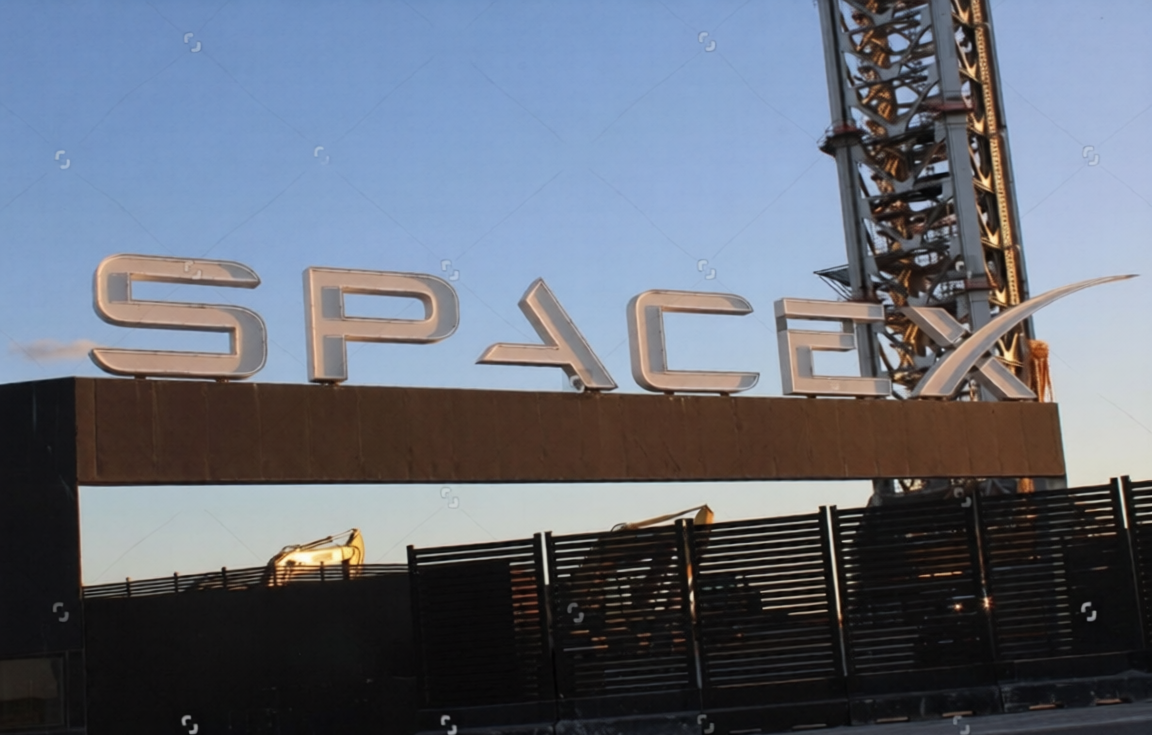
SpaceX has successfully completed one of the largest corporate bond offerings tied to the artificial intelligence sector, raising $25 billion only weeks after its blockbuster initial public offering. While institutional demand far exceeded expectations, the financing has also sparked fresh debate over the company’s aggressive capital requirements, valuation, and long-term risk profile.
The debt issuance underscores investors’ confidence in SpaceX’s long-term ambitions, but it also highlights the enormous amount of capital required to finance the company’s rapidly expanding AI infrastructure, satellite network, and space technologies.
Strong Investor Appetite Signals Confidence
SpaceX originally entered the debt market seeking approximately $20 billion before increasing the offering to $25 billion following exceptionally strong demand.
According to market reports, investors submitted nearly $90 billion in orders, allowing the company to comfortably upsize the transaction. The proceeds will primarily be used to repay outstanding bridge financing, cover transaction-related expenses, and support general corporate operations.
The transaction was structured across five separate bond maturities ranging from 2031 through 2056, with coupon rates varying between approximately 5.35% and 6.65%, providing investors with multiple duration options while extending SpaceX’s financing profile.
The successful offering demonstrates that institutional fixed-income investors remain willing to finance companies positioned at the center of the expanding AI infrastructure market.
Capital Requirements Continue to Grow
Although the financing was well received by bond investors, it also serves as a reminder of SpaceX’s substantial funding needs.
The company continues investing heavily in AI data centers, satellite communications, Starlink expansion, advanced computing infrastructure, and next-generation space technologies. These initiatives require enormous capital expenditures long before they generate their full revenue potential.
Despite raising significant equity capital through its IPO, SpaceX has quickly returned to credit markets, reflecting the scale of investment required to pursue its long-term growth strategy.
For many analysts, the debt issuance illustrates both the strength of investor confidence and the financial demands associated with building one of the world’s largest AI and space infrastructure platforms.
Concentration Risk Becomes a New Concern
One issue receiving increasing attention is portfolio concentration.
Many institutional investors now own SpaceX through multiple asset classes, including both common stock and corporate bonds. While these securities occupy different positions within the capital structure, both ultimately depend on the same underlying business performance.
Future revenue growth from Starlink, continued commercialization of AI infrastructure, successful deployment of Starship technologies, and expansion into new markets will influence both shareholder returns and the company’s ability to comfortably service its debt obligations.
As a result, some portfolio managers argue that holding both securities may create greater concentration risk than investors initially recognize.
Bond Markets Remain Confident
Despite these concerns, the bond market has generally responded favorably.
Analysts note that investment-grade corporate issuance has remained healthy throughout 2026, and SpaceX’s offering was readily absorbed despite its size. The relatively tight spread over comparable U.S. Treasury securities suggests that fixed-income investors currently maintain confidence in the company’s long-term credit outlook.
However, bond spreads could widen if SpaceX fails to achieve its ambitious revenue projections, experiences delays in commercializing key technologies, or if investment sentiment toward artificial intelligence weakens.
Unlike equity investors, bondholders focus primarily on cash flow generation, balance sheet strength, and the company’s capacity to meet future debt obligations rather than maximizing upside potential.
Long-Term Challenges Remain
While SpaceX continues to command extraordinary investor attention, several longer-term challenges remain.
As lock-up periods expire, early investors may gradually monetize portions of their holdings, increasing the supply of publicly traded shares. At the same time, the company must continue executing one of the most capital-intensive business strategies in the technology sector.
Maintaining rapid revenue growth while funding billions of dollars in annual capital expenditures will be essential if SpaceX hopes to justify its premium valuation over the coming years.
The company’s ability to successfully scale Starlink, commercialize AI infrastructure, expand space-related services, and generate sustainable profitability will likely determine whether current investor optimism proves justified.
Looking Ahead
SpaceX’s $25 billion bond offering demonstrates that institutional investors remain highly confident in the company’s long-term vision despite its substantial financing requirements. Exceptional demand reflects continued enthusiasm for businesses positioned at the intersection of artificial intelligence, advanced computing, and space technology.
Nevertheless, investors should recognize that strong fundraising does not eliminate execution risk. As SpaceX expands across multiple capital markets, future performance will increasingly depend on its ability to convert massive infrastructure investments into durable cash flows, sustainable profitability, and long-term shareholder value.
Comparison, examination, and analysis between investment houses
Leave your details, and an expert from our team will get back to you as soon as possible
* This article, in whole or in part, does not contain any promise of investment returns, nor does it constitute professional advice to make investments in any particular field.
To read more about the full disclaimer, click here
- orshu
- •
- 7 Min Read
- •
- ago 9 hours
SKN | European Markets End Mixed as Currency Strength Offsets Weakness in Major Equity Benchmarks
European financial markets concluded trading on June 29 with mixed results as investors weighed resilient economic sentiment against ongoing
- ago 9 hours
- •
- 7 Min Read
European financial markets concluded trading on June 29 with mixed results as investors weighed resilient economic sentiment against ongoing
- orshu
- •
- 8 Min Read
- •
- ago 9 hours
SKN | Tel Aviv Market Finishes Mixed as Mid-Cap Rally Offsets Blue-Chip Weakness
Israeli equities closed mixed on Monday, June 29, with improving market breadth helping offset continued weakness in heavyweight blue-chip stocks.
- ago 9 hours
- •
- 8 Min Read

Israeli equities closed mixed on Monday, June 29, with improving market breadth helping offset continued weakness in heavyweight blue-chip stocks.
- orshu
- •
- 7 Min Read
- •
- ago 10 hours
SKN | SPY Climbs as Broad Market Strength Reinforces Investor Confidence in Large-Cap U.S. Equities
The SPDR S&P 500 ETF Trust (NYSE Arca: SPY), the world's largest exchange-traded fund tracking the S&P 500 Index,
- ago 10 hours
- •
- 7 Min Read
The SPDR S&P 500 ETF Trust (NYSE Arca: SPY), the world's largest exchange-traded fund tracking the S&P 500 Index,
- orshu
- •
- 7 Min Read
- •
- ago 10 hours
SKN | Nasdaq Extends Rally as Technology Stocks Drive Market Momentum Higher
The Nasdaq Composite opened the trading week on a strong note, climbing 1.13% to 25,583.29 as investors continued rotating
- ago 10 hours
- •
- 7 Min Read

The Nasdaq Composite opened the trading week on a strong note, climbing 1.13% to 25,583.29 as investors continued rotating


