





- Lior mor
- •
- 6 Min Read
- •
- 3 hours ago
Key Points
- The benchmark Hang Seng Index (^HSI) concluded the week significantly lower at 22,671.86, representing a 5.24% decline over the trailing five days.
- Persistent selling pressure throughout the week forced the index down to an intraday low of 22,518.00, testing its absolute 52-week floor.
- Global allocators and Israeli institutional asset managers remain focused on regional real estate dynamics, regulatory shifts, and evolving currency volatility.
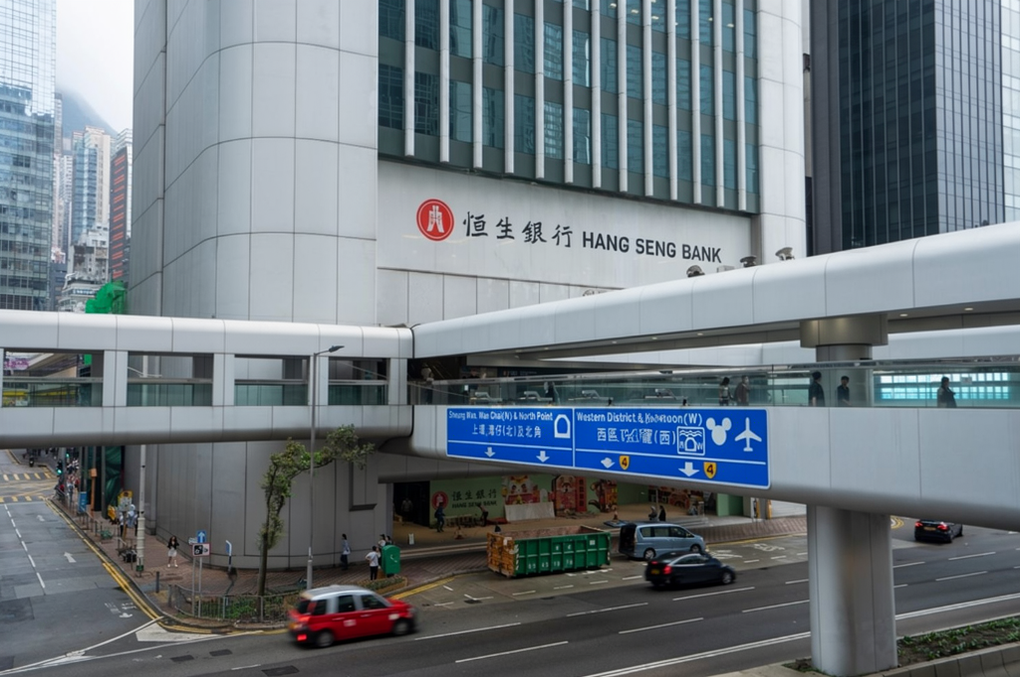
The benchmark Hang Seng Index (^HSI) finished the week sharply lower at 22,671.86, reflecting a highly pressured and risk-averse environment across Asian equity markets. Although regional large-cap equities experienced brief mid-week attempts at stabilization, the index ultimately contracted by 5.24% over the five-day trailing period as global investors balanced deteriorating domestic economic metrics with a restrictive international monetary backdrop that continues to impact cross-border capital flows.
Index Demonstrates Vulnerability to Sustained Liquidation Pressure
The five-day trading pattern highlighted an intense struggle for technical support as global de-risking accelerated across emerging market benchmarks. The index opened the week under pressure below its previous close of 23,076.91, experiencing an initial drop before showing a brief localized peak near the 23,500 mark on June 24. However, this momentum collapsed entirely during the final sessions, triggering a sharp 1.76% single-day sell-off on Friday that dragged the benchmark down to an intraday low of 22,518.00 before a marginal recovery right before the close. Crucially, this low point directly tested the lower boundary of its broad 52-week range of 22,518.00 to 28,056.10, indicating heavy tactical liquidity preservation and stop-loss execution by major institutional participants.
Macroeconomic Headwinds and Shifting Monetary Paths
Hong Kong equities remain exceptionally sensitive to evolving industrial output metrics, real estate vulnerabilities within mainland China, and the monetary policy trajectory of the U.S. Federal Reserve. Because the Hong Kong Dollar is pegged to the greenback, domestic borrowing costs mirror the restrictive “higher-for-longer” monetary stance maintained by U.S. policymakers, creating persistent friction for local corporate earnings expansion and real estate valuations. This localized liquidity contraction, combined with sticky regional services inflation, has severely compressed equity multiples across key financial and technology components, forcing institutional asset allocators to adopt a highly defensive approach.
Global Portfolio Implications and Currency Risks
For internationally diversified asset managers and Israeli institutional investors, the steep correction in Hong Kong underscores the growing impact of currency volatility and shifting geopolitical premiums on multi-asset frameworks. Fluctuations between the Hong Kong Dollar, the U.S. Dollar, and the Israeli Shekel alter net total return profiles for cross-border holdings. This elevated volatility regime renders active risk mitigation and sophisticated hedging strategies essential operational disciplines, as allocators must navigate these micro-structural shifts carefully to shield international equity portfolios from localized macroeconomic shocks and sudden capital outflows.
Outlook: Looking ahead, the outlook for the Hang Seng Index remains carefully balanced but heavily dependent on upcoming regional manufacturing purchasing managers’ index (PMI) prints, property sector data, and explicit forward guidance from major central banks. Markets will also closely monitor sovereign credit developments and trade configurations that could shift international investor behavior. While regional equities retain long-term structural appeal at deeply discounted valuations, meaningful downside risks remain prominent if macroeconomic growth slows further or financial-market volatility intensifies. Conversely, evidence of consistent economic stabilization and resilient corporate guidance could catalyze a steady, non-linear recovery toward previous resistance zones near 23,000, though future gains are highly likely to remain gradual rather than linear.
Comparison, examination, and analysis between investment houses
Leave your details, and an expert from our team will get back to you as soon as possible
* This article, in whole or in part, does not contain any promise of investment returns, nor does it constitute professional advice to make investments in any particular field.
To read more about the full disclaimer, click here
- Lior mor
- •
- 6 Min Read
- •
- ago 19 minutes
SKN | TA 35 Index Faces Late-Week Liquidation as Monetary Caution and Fiscal Headwinds Weigh on Israeli Blue-Chips
The flagship TA 35 Index finished the week lower at 4,028.22, registering a negative percent return of 2.79% over
- ago 19 minutes
- •
- 6 Min Read

The flagship TA 35 Index finished the week lower at 4,028.22, registering a negative percent return of 2.79% over

- Arik Arkadi Sluzki
- •
- 7 Min Read
- •
- ago 1 hour
SKN | TA 125 Index Faces Late-Week Liquidation as Monetary Caution and Fiscal Headwinds Weigh on Israeli Blue-Chips
The benchmark TA 125 Index finished the week significantly lower at 3,968.09, registering a negative percent return of 2.78% over
- ago 1 hour
- •
- 7 Min Read

The benchmark TA 125 Index finished the week significantly lower at 3,968.09, registering a negative percent return of 2.78% over

- sagi habasov
- •
- 6 Min Read
- •
- ago 1 hour
SKN | TA-RealEstate Index Corrects as Institutional Allocators Reassess Property Valuations Against Restrictive Rates
The TA-RealEstate Index finished the week lower at 1,425.08, reflecting a pressured and cautious performance across the domestic property
- ago 1 hour
- •
- 6 Min Read

The TA-RealEstate Index finished the week lower at 1,425.08, reflecting a pressured and cautious performance across the domestic property

- orshu
- •
- 7 Min Read
- •
- ago 2 hours
SKN | TA Banks 5 Index Consolidates as Markets Balance Lower Rates and Persistent Macro Headwinds
The TA Banks 5 Index finished the week slightly elevated at 7,686.97, reflecting a resilient but highly selective performance
- ago 2 hours
- •
- 7 Min Read

The TA Banks 5 Index finished the week slightly elevated at 7,686.97, reflecting a resilient but highly selective performance


