





- Arik Arkadi Sluzki
- •
- 6 Min Read
- •
- 6 hours ago
Key Points
- The benchmark S&P 500 Index (^GSPC) concluded the week lower at 7,354.02, representing a 1.95% decline over the trailing five days.
- Mid-week volatility pulled the index down to an intraday low of 7,294.18 before selective institutional support stabilized the daily close at a marginal 0.05% contraction.
- Global allocators and Israeli institutional asset managers remain focused on Federal Reserve rate trajectories, currency shifts, and corporate margin sustainability.
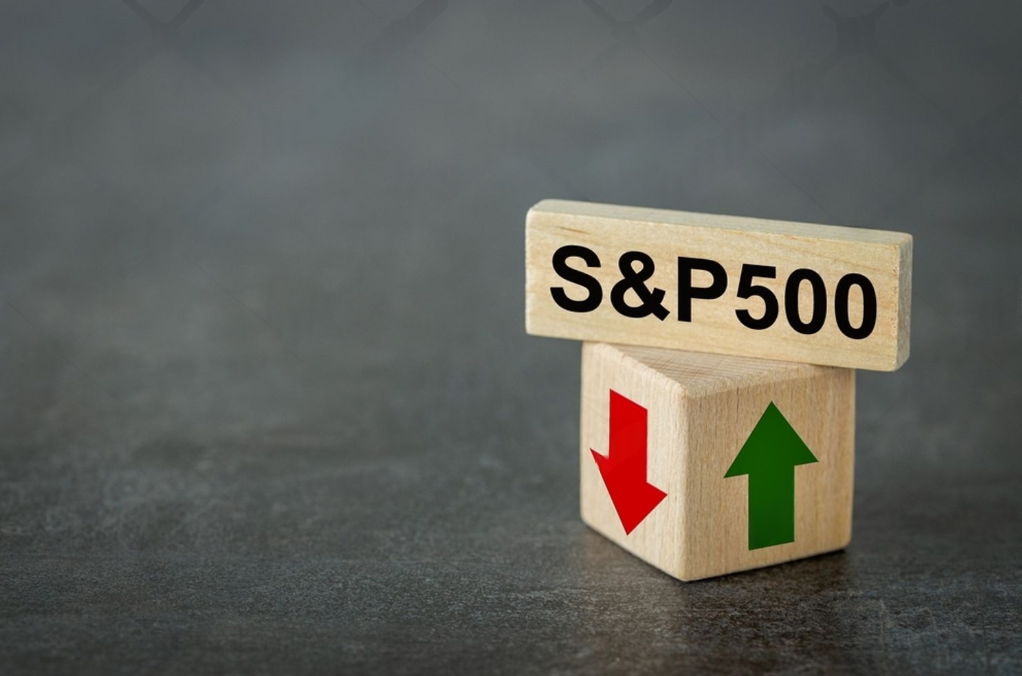
The benchmark S&P 500 Index (^GSPC) finished the week lower at 7,354.02, reflecting a pressured and cautious performance across US equity markets. Although broad-market equities experienced brief intraday recoveries, the index ultimately contracted as global investors balanced complex macroeconomic signals with an evolving monetary backdrop that continues to impact cross-border capital flows.
Index Demonstrates Vulnerability to Technical Retracements
The five-day trading pattern highlighted a market searching for structural direction. Early-week trading saw the index face downward momentum, testing intermediate support levels around June 24 and June 25 while managing brief peaks up to 7,392.95. However, persistent selling pressure reversed these gains, dragging the benchmark index down during Friday’s session to touch an intraday low of 7,294.18 before establishing a marginal recovery right before the close. While the index’s 52-week range of 6,132.35 to 7,620.90 points to a broader long-term uptrend, the swift breach of recent technical support levels suggests a tactical risk reduction by major market participants.
Macroeconomic Headwinds and Monetary Policy Divergence
US equities remain highly sensitive to evolving central bank guidance and sticky inflation metrics across core economic sectors. Investors continue evaluating whether the Federal Reserve will maintain its restrictive interest-rate path or pause to gauge services-sector pricing persistence. This uncertainty regarding interest-rate paths has tempered corporate earnings visibility and dampened broader equity valuations. External factors, particularly changing global interest-rate profiles, also remain crucial, as shifting yield differentials heavily influence global capital reallocation away from or into domestic equities.
Global Portfolio Implications and Currency Risks
For Israeli institutional investors and internationally diversified asset allocators, the broad-market correction highlights the impact of currency volatility and geopolitical premiums on multi-asset portfolios. Fluctuations between the US Dollar, Euro, and the Israeli Shekel alter total return profiles, making active currency hedging a vital component of cross-border risk management. Underlying vulnerabilities, including sovereign fiscal outlooks and shifting trade dynamics within tech supply chains, add complexity, necessitating active risk mitigation to safeguard international equity exposure.
Outlook: Looking ahead, the outlook for the S&P 500 Index remains carefully balanced, but near-term stability will likely depend on upcoming inflation data, manufacturing outputs, and explicit central bank forward guidance. Markets will also monitor geopolitical developments and fiscal adjustments within major economies that could trigger sudden shifts in risk appetite. While large-cap equities retain long-term structural appeal, downside risks remain prominent if macroeconomic growth slows or financial-market volatility intensifies. Conversely, evidence of consistent economic stabilization and resilient corporate guidance could catalyze a steady, non-linear recovery toward previous resistance zones near 7,450, though future gains are likely to remain gradual rather than linear.
Comparison, examination, and analysis between investment houses
Leave your details, and an expert from our team will get back to you as soon as possible
* This article, in whole or in part, does not contain any promise of investment returns, nor does it constitute professional advice to make investments in any particular field.
To read more about the full disclaimer, click here
- Arik Arkadi Sluzki
- •
- 6 Min Read
- •
- ago 3 hours
SKN | Nikkei 225 Sharpens Correction as Bank of Japan Normalization and Global Tech De-risking Weigh on Japanese Equities
The Japanese benchmark Nikkei 225 Index (^N225) finished the week sharply lower at 69,360.88, reflecting a highly pressured and
- ago 3 hours
- •
- 6 Min Read

The Japanese benchmark Nikkei 225 Index (^N225) finished the week sharply lower at 69,360.88, reflecting a highly pressured and

- sagi habasov
- •
- 6 Min Read
- •
- ago 3 hours
SKN | KOSPI Composite Index Sharpens Decline as Tech Sector Pressures and Global Macro Headwinds Weigh on South Korean Equities
The South Korean benchmark KOSPI Composite Index (^KS11) finished the week sharply lower at 8,411.21, reflecting a highly pressured
- ago 3 hours
- •
- 6 Min Read

The South Korean benchmark KOSPI Composite Index (^KS11) finished the week sharply lower at 8,411.21, reflecting a highly pressured

- orshu
- •
- 6 Min Read
- •
- ago 3 hours
SKN | Japanese Yen Index Hovers Near Annual Lows as Markets Reassess Global Rate Trajectories
The Japanese Yen Currency Index (^XDN) finished the week marginally lower at 61.82, reflecting a pressured and cautious performance
- ago 3 hours
- •
- 6 Min Read

The Japanese Yen Currency Index (^XDN) finished the week marginally lower at 61.82, reflecting a pressured and cautious performance

- Ronny Mor
- •
- 6 Min Read
- •
- ago 3 hours
SKN | SSE Composite Index Retreets as Growth Concerns and Policy Uncertainties Weigh on Chinese Equities
The Chinese benchmark SSE Composite Index (000001.SS) finished the week lower at 4,027.27, reflecting a pressured and cautious performance
- ago 3 hours
- •
- 6 Min Read

The Chinese benchmark SSE Composite Index (000001.SS) finished the week lower at 4,027.27, reflecting a pressured and cautious performance


