





- Arik Arkadi Sluzki
- •
- 7 Min Read
- •
- 3 hours ago
Key Points
- Sonos' first-quarter performance reflects continued pressure on premium consumer discretionary spending amid cautious household budgets.
- The broader consumer discretionary sector delivered mixed earnings as companies balanced demand normalization, inventory management, and margin protection.
- Investors remain focused on product innovation, profitability improvements, and consumer demand trends heading into the second half of 2026.
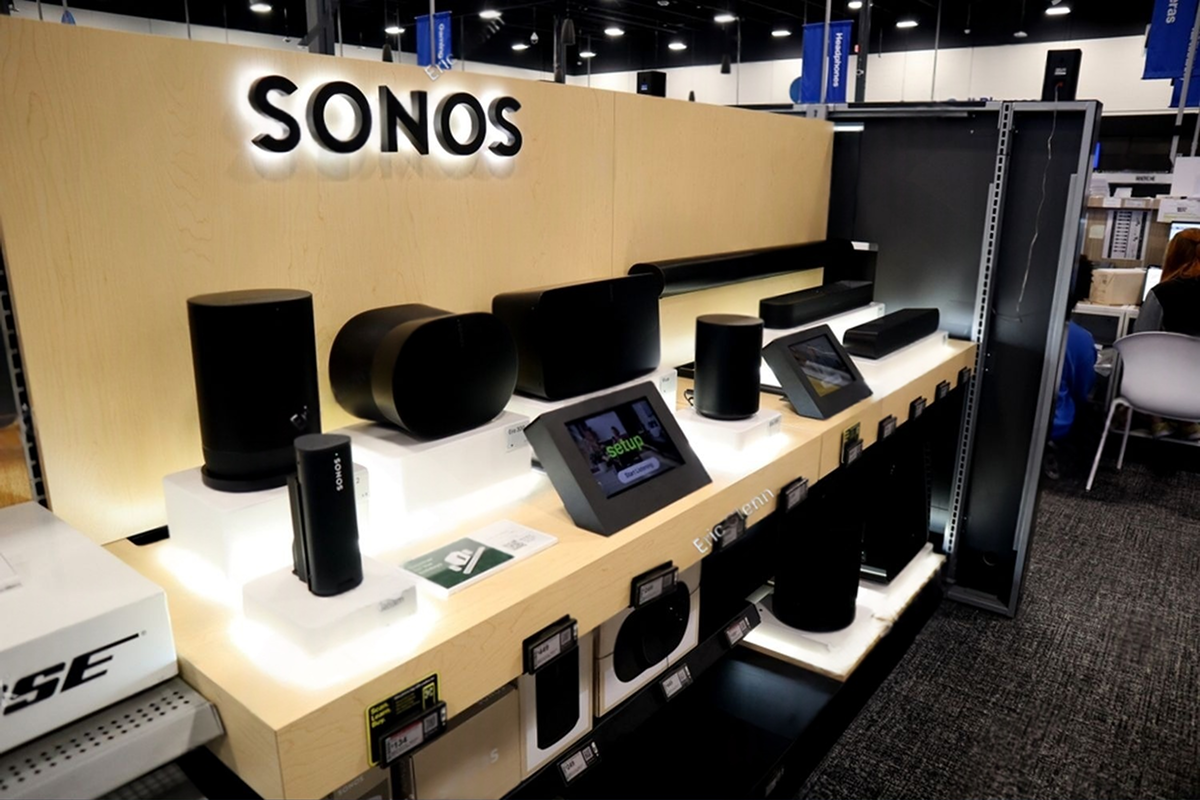
The consumer discretionary sector entered 2026 facing a more selective spending environment as households adjusted to higher borrowing costs and shifting purchasing priorities. While demand for premium consumer electronics remained present, many manufacturers experienced slower replacement cycles and greater promotional activity compared with previous years.
Against this backdrop, Sonos (NASDAQ: SONO) delivered first-quarter results that illustrated both the resilience and challenges facing premium audio manufacturers. The company’s performance provides investors with a broader perspective on how discretionary brands are adapting to evolving consumer behavior while maintaining investments in innovation and long-term competitiveness.
Sonos Faces Mixed Demand Across Premium Audio Products
Sonos continued operating within a market characterized by cautious consumer spending and slower demand for non-essential electronics. Although the company maintains one of the strongest premium audio ecosystems in the industry, purchasing decisions for higher-priced home entertainment products have become increasingly influenced by broader economic conditions.
During the first quarter, management remained focused on inventory discipline, operational efficiency, and product development as it worked to stabilize financial performance. Like many consumer electronics companies, Sonos has continued balancing production levels with retail demand while seeking to preserve profitability despite ongoing pricing competition.
The company’s results reflected trends seen across much of the consumer discretionary sector, where companies reported varying levels of revenue growth depending on product categories, geographic exposure, and customer spending patterns. Businesses with strong brand recognition generally demonstrated greater pricing resilience, although overall demand remained below the elevated levels experienced during the pandemic-driven consumer electronics boom.
Consumer Discretionary Sector Continues Adjusting to New Spending Patterns
The broader first-quarter earnings season demonstrated that discretionary spending continues normalizing after several years of exceptional volatility. Consumers have increasingly prioritized travel, experiences, and essential purchases while becoming more selective when purchasing premium household electronics and durable goods.
For Sonos, maintaining customer engagement through product innovation, software integration, and ecosystem expansion remains central to its long-term strategy. Premium audio customers often value product quality and compatibility over price alone, creating opportunities for companies capable of sustaining technological leadership despite softer industry demand.
At the same time, macroeconomic variables—including interest rates, inflation trends, and consumer confidence—continue influencing purchasing decisions. Retailers have also become more cautious with inventory management, resulting in a more disciplined ordering environment that affects manufacturers throughout the consumer electronics supply chain.
Innovation Remains the Primary Long-Term Growth Driver
Despite near-term challenges, the premium home audio market continues offering structural growth opportunities driven by smart home adoption, wireless entertainment systems, and connected consumer devices. Sonos’ established ecosystem provides a competitive advantage as consumers increasingly seek integrated audio experiences across multiple devices.
For global investors, including those in Israel, Sonos represents a useful case study of how premium consumer brands are adapting to a slower economic cycle. Rather than relying solely on broad consumer spending growth, future performance will increasingly depend on innovation, operational execution, and efficient capital allocation.
Competition remains intense as global technology companies continue expanding their smart home and audio offerings. Companies capable of differentiating their products while maintaining healthy margins may be better positioned to capture market share as consumer confidence gradually improves.
Looking ahead, investors will closely monitor upcoming product launches, demand trends during key retail seasons, inventory normalization, and management’s outlook for revenue and profitability. Broader macroeconomic developments—including inflation, interest rate expectations, and household spending—will remain important variables influencing the consumer discretionary sector. For Sonos, sustained innovation, disciplined cost management, and stable customer demand will likely determine whether earnings momentum strengthens throughout the remainder of 2026.
Comparison, examination, and analysis between investment houses
Leave your details, and an expert from our team will get back to you as soon as possible
* This article, in whole or in part, does not contain any promise of investment returns, nor does it constitute professional advice to make investments in any particular field.
To read more about the full disclaimer, click here
- Lior mor
- •
- 7 Min Read
- •
- ago 3 hours
SKN | Rush Enterprises Highlights Diverging Trends Across Industrial Distributors Following Q1 Earnings
The industrial distribution sector entered 2026 facing a more balanced operating environment after several years of supply chain disruptions
- ago 3 hours
- •
- 7 Min Read

The industrial distribution sector entered 2026 facing a more balanced operating environment after several years of supply chain disruptions

- omer bar
- •
- 7 Min Read
- •
- ago 3 hours
SKN | Globe Life’s Q1 Results Highlight the Resilience of Life Insurance Stocks in a Higher-Rate Environment
The life insurance industry entered 2026 with a favorable macroeconomic backdrop as elevated interest rates continued supporting insurers' investment portfolios.
- ago 3 hours
- •
- 7 Min Read

The life insurance industry entered 2026 with a favorable macroeconomic backdrop as elevated interest rates continued supporting insurers' investment portfolios.
- Lior mor
- •
- 7 Min Read
- •
- ago 4 hours
SKN | Flowers Foods Stands Out as Perishable Food Companies Navigate a Challenging First Quarter
The first-quarter earnings season highlighted the resilience of the perishable food sector, even as companies continued to face elevated
- ago 4 hours
- •
- 7 Min Read

The first-quarter earnings season highlighted the resilience of the perishable food sector, even as companies continued to face elevated
- omer bar
- •
- 7 Min Read
- •
- ago 4 hours
SKN | Hudson Technologies Leads a Mixed Quarter for Specialty Equipment Distributors
The first-quarter earnings season for specialty equipment distributors presented investors with a mixed picture as companies navigated softer industrial
- ago 4 hours
- •
- 7 Min Read

The first-quarter earnings season for specialty equipment distributors presented investors with a mixed picture as companies navigated softer industrial


