





- sagi habasov
- •
- 8 Min Read
- •
- 2 months ago
Key Points
- Charles Schwab’s CEO stated the firm has no plans to engage with meme coins or gambling-style speculative assets.
- The comments reflect growing divisions within financial markets between regulated investing platforms and highly speculative digital assets.
- Institutional firms continue focusing on long-term wealth management, regulated crypto products, and client risk management strategies.
Charles Schwab has taken a firm stance against speculative digital asset trends after the company’s chief executive reportedly stated that the financial giant has no intention of participating in meme coins or gambling-related investment activity. The remarks come as traditional financial institutions continue navigating growing client interest in cryptocurrencies while attempting to balance innovation with regulatory compliance and long-term risk management.
The comments also highlight a broader divide emerging within global financial markets as speculative retail trading activity increasingly overlaps with digital assets, social media-driven investing, and online betting platforms. While some firms continue expanding aggressively into crypto-related services, others remain cautious about reputational, regulatory, and volatility-related risks.
Traditional Financial Firms Remain Cautious on Speculative Assets
Schwab’s position reflects the more conservative approach many large financial institutions continue taking toward highly speculative digital assets, particularly meme coins that often experience extreme volatility driven by social media trends and retail speculation rather than underlying fundamentals.
While institutional acceptance of major cryptocurrencies such as Bitcoin and Ethereum has increased substantially over recent years, many regulated financial firms continue distinguishing between established digital assets and highly speculative tokens lacking clear utility or long-term economic models.
Executives across the wealth management industry have increasingly emphasized investor education, portfolio diversification, and long-term financial planning as speculative trading activity grows among younger retail investors. Firms managing retirement assets and long-term investment portfolios often face stricter fiduciary responsibilities and reputational considerations compared with online trading platforms focused on short-term speculation.
At the same time, meme coin trading and prediction-style platforms have gained significant visibility due to viral online communities and periods of rapid price appreciation. Critics argue that these markets can resemble gambling behavior more than traditional investing, particularly during highly volatile trading cycles.
Crypto Adoption Continues Despite Industry Divisions
Despite Schwab’s rejection of meme coins, institutional adoption of regulated cryptocurrency products continues expanding globally. Spot Bitcoin exchange-traded funds, blockchain infrastructure investments, and tokenized financial products have increasingly attracted attention from asset managers, hedge funds, and institutional investors.
Large financial firms are now attempting to balance rising client demand for digital asset exposure with regulatory uncertainty and operational risk controls. Several institutions have entered the crypto sector selectively through custody services, regulated ETFs, blockchain infrastructure partnerships, and digital payment systems rather than speculative token markets.
The broader cryptocurrency industry remains highly sensitive to regulatory developments, particularly in the United States and Europe. Policymakers continue debating how digital assets should be classified and supervised, especially regarding investor protection, anti-money laundering standards, and market transparency.
Israeli fintech and cybersecurity firms are also closely monitoring these developments due to Israel’s growing role in blockchain security, digital payments, and financial technology innovation. Regulatory clarity surrounding digital assets could create additional opportunities for firms specializing in compliance systems, cybersecurity infrastructure, and institutional blockchain services.
Retail Trading Trends Continue Reshaping Financial Markets
The rise of meme coins and speculative online investing reflects broader changes in retail market participation over the past several years. Social media platforms, commission-free trading applications, and online investment communities have significantly increased retail investor influence across equities, cryptocurrencies, and derivatives markets.
Market volatility linked to retail trading activity has occasionally affected institutional positioning, particularly during periods of rapid speculative momentum involving meme stocks, cryptocurrencies, and options trading. Financial regulators globally continue evaluating whether additional safeguards may be required to protect retail investors from excessive risk exposure.
At the same time, traditional financial institutions remain under pressure to modernize digital offerings and attract younger investors without compromising regulatory standards or long-term brand stability. The challenge for many firms lies in balancing innovation with prudent risk management.
Looking ahead, investors will closely monitor how traditional financial institutions expand digital asset services while maintaining regulatory compliance and client protection standards. Market participants are also expected to focus on evolving cryptocurrency regulations, retail trading behavior, and broader adoption of blockchain-based financial infrastructure. While speculative digital assets may continue attracting short-term trading interest, institutional firms like Schwab appear increasingly focused on regulated investment products and long-term wealth management strategies as the financial industry evolves further.
Comparison, examination, and analysis between investment houses
Leave your details, and an expert from our team will get back to you as soon as possible
* This article, in whole or in part, does not contain any promise of investment returns, nor does it constitute professional advice to make investments in any particular field.
To read more about the full disclaimer, click here
- Ronny Mor
- •
- 7 Min Read
- •
- ago 4 hours
SKN | Can Prediction Markets Transform Biotech Investing? Kalshi Expands to Clinical Trials and FDA Decisions
Kalshi is expanding its prediction market offerings by allowing users to trade contracts tied to clinical trial results and U.S.
- ago 4 hours
- •
- 7 Min Read

Kalshi is expanding its prediction market offerings by allowing users to trade contracts tied to clinical trial results and U.S.
- Ronny Mor
- •
- 6 Min Read
- •
- ago 11 hours
SKN | Nvidia-Backed Fireworks AI Reaches $17.5 Billion Valuation as Investors Race to Fund the Next AI Infrastructure Leaders
The latest funding round for Fireworks AI, an artificial intelligence infrastructure startup backed by Nvidia, highlights the continued flow of
- ago 11 hours
- •
- 6 Min Read
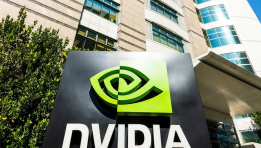
The latest funding round for Fireworks AI, an artificial intelligence infrastructure startup backed by Nvidia, highlights the continued flow of

- sagi habasov
- •
- 6 Min Read
- •
- ago 6 days
SKN | Why Is Circle’s New U.S. Banking Charter a Major Milestone for Stablecoins?
Circle shares climbed nearly 5% after the company secured approval from the U.S. Office of the Comptroller of the Currency
- ago 6 days
- •
- 6 Min Read

Circle shares climbed nearly 5% after the company secured approval from the U.S. Office of the Comptroller of the Currency

- omer bar
- •
- 7 Min Read
- •
- ago 1 week
SKN | Billionaire Steve Cohen Rotates Away From Amazon and Nvidia as Investors Examine His New Stock Position
Billionaire investor Steve Cohen’s latest portfolio moves have drawn attention as markets continue reassessing valuations across major technology companies.
- ago 1 week
- •
- 7 Min Read
Billionaire investor Steve Cohen’s latest portfolio moves have drawn attention as markets continue reassessing valuations across major technology companies.


