


- omer bar
- •
- 6 Min Read
- •
- 15 seconds ago
Key Points
- Persistent inflation pressures are reshaping consumer purchasing power and wage expectations globally.
- Higher costs for housing, energy, food, and services are reducing real income growth despite nominal pay increases.
- Israeli households and global investors are increasingly focused on whether central banks can contain inflation without slowing economic activity further.

Inflation that was once viewed as temporary is increasingly becoming embedded across major economies, raising concerns that elevated price growth may represent a new baseline rather than a short-term disruption. While headline inflation rates in several countries have moderated from peak levels seen in recent years, many households continue to experience sustained pressure on everyday expenses.
The shift is particularly important for labor markets and consumer spending trends, as wage increases in many sectors are struggling to fully offset rising living costs. For investors and policymakers alike, the growing disconnect between salaries and purchasing power is emerging as a central economic challenge.
Persistent Inflation Is Reshaping Consumer Behavior
Across global markets, inflation has proven more resilient than many economists initially expected. Even where central banks have aggressively raised interest rates, core categories such as housing, insurance, transportation, healthcare, and food services continue to show persistent pricing pressure.
This environment is altering consumer behavior. Households are increasingly prioritizing essential spending while reducing discretionary purchases, a trend that has implications for retail, technology, travel, and consumer-facing industries. In Israel, rising living costs have remained a central economic concern, particularly as food prices, housing expenses, and financing costs continue to weigh on household budgets.
Why Wage Growth Is Losing the Inflation Battle
Although wages have increased in many developed economies, real income growth has often remained limited once inflation is factored in. A salary increase may appear meaningful on paper, but if consumer prices continue rising at a comparable or faster pace, purchasing power effectively stagnates.
For businesses, the dynamic creates additional pressure. Employers face rising labor costs while consumers become more price-sensitive, compressing margins across several sectors. Financial markets are closely monitoring whether slowing economic growth eventually weakens labor demand, potentially reducing wage momentum further.
Central Banks Face a Narrow Policy Path
The persistence of inflation complicates the outlook for monetary policy globally. Central banks must balance inflation control against the risk of slowing growth too aggressively through higher borrowing costs.
For Israeli investors, global inflation trends remain especially relevant because they influence currency markets, bond yields, technology valuations, and international capital flows. Prolonged inflationary pressure could also delay potential interest-rate cuts, maintaining tighter financial conditions for consumers and businesses alike.
Looking ahead, markets are likely to remain highly sensitive to inflation reports, wage data, and central bank commentary. Investors will be watching closely for signs that price pressures are genuinely easing rather than stabilizing at elevated levels. If inflation proves structurally higher over the longer term, households, corporations, and policymakers may all need to adapt to an economic environment where purchasing power remains under sustained pressure.
Comparison, examination, and analysis between investment houses
Leave your details, and an expert from our team will get back to you as soon as possible
* This article, in whole or in part, does not contain any promise of investment returns, nor does it constitute professional advice to make investments in any particular field.
To read more about the full disclaimer, click here
- Lior mor
- •
- 5 Min Read
- •
- ago 40 minutes
SKN | Inflation Accelerates as Consumer Prices Jump 3.8% in April on Rising Energy Costs
Global inflation concerns intensified after consumer prices surged 3.8% in April compared with a year earlier, underscoring the persistent
- ago 40 minutes
- •
- 5 Min Read
Global inflation concerns intensified after consumer prices surged 3.8% in April compared with a year earlier, underscoring the persistent

- omer bar
- •
- 5 Min Read
- •
- ago 4 hours
SKN | Inflation Data in Focus as Markets Gauge the Iran War’s Ongoing Impact on Prices
Global markets are turning their attention to Tuesday’s inflation report, which is expected to provide a clearer picture of
- ago 4 hours
- •
- 5 Min Read
Global markets are turning their attention to Tuesday’s inflation report, which is expected to provide a clearer picture of
- Lior mor
- •
- 8 Min Read
- •
- ago 12 hours
SKN | Rising Costs Weigh on Australian Business Confidence as Economic Pressures Intensify
Australian business confidence has deteriorated as rising operational expenses and persistent cost pressures continue to challenge companies across multiple sectors
- ago 12 hours
- •
- 8 Min Read

Australian business confidence has deteriorated as rising operational expenses and persistent cost pressures continue to challenge companies across multiple sectors

- sagi habasov
- •
- 8 Min Read
- •
- ago 13 hours
SKN | Bank of Japan Signals Openness to Near-Term Rate Hike as Markets Eye Potential June Move
The Bank of Japan is drawing renewed attention from global investors after reports indicated policymakers debated the possibility of a
- ago 13 hours
- •
- 8 Min Read
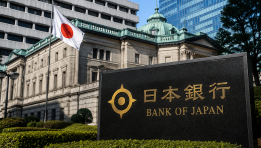
The Bank of Japan is drawing renewed attention from global investors after reports indicated policymakers debated the possibility of a


