





- omer bar
- •
- 7 Min Read
- •
- 4 months ago


Key Points
- Global equity futures showed uneven trading as investors reacted to fragile diplomatic signals from Gulf negotiations
- The US dollar gained ground as risk sentiment weakened and demand for defensive positioning increased
- Markets are reassessing geopolitical risk exposure across equities, currencies, and commodities

Global financial markets entered a cautious phase as share futures fluctuated and the US dollar strengthened, driven by uncertainty surrounding ongoing diplomatic discussions in the Gulf region. Investors are increasingly sensitive to geopolitical developments that could affect energy flows, trade stability, and broader risk sentiment. The combination of political fragility and macroeconomic uncertainty has led to a more defensive positioning across asset classes.
Equity Futures Reflect Uneven Risk Appetite
Equity futures across major markets traded in a narrow but unstable range, reflecting investor hesitation amid uncertain diplomatic progress in the Gulf. While no immediate escalation has been confirmed, market participants are pricing in a higher probability of disruptions that could affect global supply chains and energy markets.
Technology-heavy indices showed relative resilience, supported by long-term growth expectations in artificial intelligence and digital infrastructure. However, cyclical sectors such as industrials, energy-sensitive stocks, and financials faced more pressure as investors reassessed exposure to macro and geopolitical risk factors.
The uneven performance highlights a broader trend in global equities, where market leadership is increasingly concentrated in sectors perceived as structurally insulated from short-term geopolitical shocks. This divergence has become more pronounced in recent trading sessions as volatility expectations rise.
US Dollar Strengthens as Investors Seek Safety
The US dollar advanced against a basket of major currencies as investors moved toward defensive assets. Currency markets typically respond quickly to geopolitical uncertainty, particularly when risks involve energy supply routes or major trade corridors.
Safe-haven demand supported the dollar alongside other traditional defensive assets, reflecting a broader shift in sentiment away from risk-sensitive positions. Emerging-market currencies experienced mild pressure, with traders adjusting exposure to regions more vulnerable to external shocks.
For Israeli investors and global portfolio managers, dollar strength also carries implications for cross-border investment returns and hedging strategies, particularly in portfolios with significant international equity exposure. Currency volatility remains a key transmission channel for geopolitical risk into broader financial markets.
Geopolitical Uncertainty Drives Cross-Asset Repricing
The fragile state of Gulf diplomacy has triggered a broader reassessment of risk across equities, commodities, and foreign exchange markets. Investors are increasingly focused on how quickly geopolitical developments can shift expectations for inflation, growth, and monetary policy.
Energy markets remain a central variable in this equation, as any disruption in the region could quickly feed into oil price volatility. This, in turn, influences inflation expectations and central bank policy outlooks across major economies, including the United States, Europe, and Asia.
At the same time, global liquidity conditions and interest rate expectations continue to shape investor appetite for risk. Any tightening in financial conditions could amplify volatility in equity futures and reinforce demand for defensive assets such as the US dollar and government bonds.
Outlook: Markets Watch Diplomacy and Macro Signals
Looking ahead, market direction will depend heavily on developments in Gulf negotiations, energy market stability, and broader geopolitical signals. Investors are expected to remain highly reactive to headlines that could affect shipping routes, regional security, or diplomatic alignment.
Key risks include escalation in geopolitical tensions, renewed pressure on energy prices, and further strengthening of the US dollar that could weigh on global liquidity conditions. On the other hand, progress in diplomatic talks could help stabilize sentiment and reduce volatility across risk assets.
Overall, the current environment reflects a delicate balance between macroeconomic uncertainty and geopolitical fragility, with share futures and currency markets acting as early indicators of shifting global risk appetite.
Comparison, examination, and analysis between investment houses
Leave your details, and an expert from our team will get back to you as soon as possible
* This article, in whole or in part, does not contain any promise of investment returns, nor does it constitute professional advice to make investments in any particular field.
To read more about the full disclaimer, click here
- sagi habasov
- •
- 8 Min Read
- •
- ago 6 hours
SKN | Wall Street’s Credit War: Why is JPMorgan Cutting Funding to Trading Giant Jane Street?
The financial ecosystem of Wall Street is currently experiencing a quiet yet significant earthquake, reflecting the struggle over one
- ago 6 hours
- •
- 8 Min Read
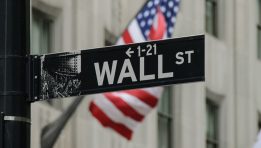
The financial ecosystem of Wall Street is currently experiencing a quiet yet significant earthquake, reflecting the struggle over one

- Ronny Mor
- •
- 6 Min Read
- •
- ago 13 hours
SKN | Why Did the Yen Suddenly Jump? Traders Watch for Intervention as Currency Volatility Returns
The Japanese yen has returned to the center of global foreign-exchange markets after a sudden 0.9% jump against the U.S.
- ago 13 hours
- •
- 6 Min Read

The Japanese yen has returned to the center of global foreign-exchange markets after a sudden 0.9% jump against the U.S.
- sagi habasov
- •
- 6 Min Read
- •
- ago 20 hours
SKN | Has the U.S. Bond Market Entered an Unprecedented Six-Year Drawdown?
A Historic Break From Previous Bond Cycles The U.S. bond market is experiencing an exceptionally prolonged period of weakness, with
- ago 20 hours
- •
- 6 Min Read

A Historic Break From Previous Bond Cycles The U.S. bond market is experiencing an exceptionally prolonged period of weakness, with

- omer bar
- •
- 7 Min Read
- •
- ago 21 hours
SKN | Why Is the 10-Year Treasury Yield Near 4.8% as Inflation Risks Return?
The 10-year U.S. Treasury yield climbed to its highest level since November 2023 on Wednesday, reflecting a growing premium investors
- ago 21 hours
- •
- 7 Min Read

The 10-year U.S. Treasury yield climbed to its highest level since November 2023 on Wednesday, reflecting a growing premium investors

