


- Lior mor
- •
- 7 Min Read
- •
- 14 seconds ago
Key Points
- Crude oil prices rise sharply following renewed escalation in US–Iran hostilities, reviving supply disruption fears
- Markets reassess geopolitical risk premium in energy markets, with volatility increasing across futures contracts
- Investors focus on potential impacts on Middle East shipping routes and global inflation expectations
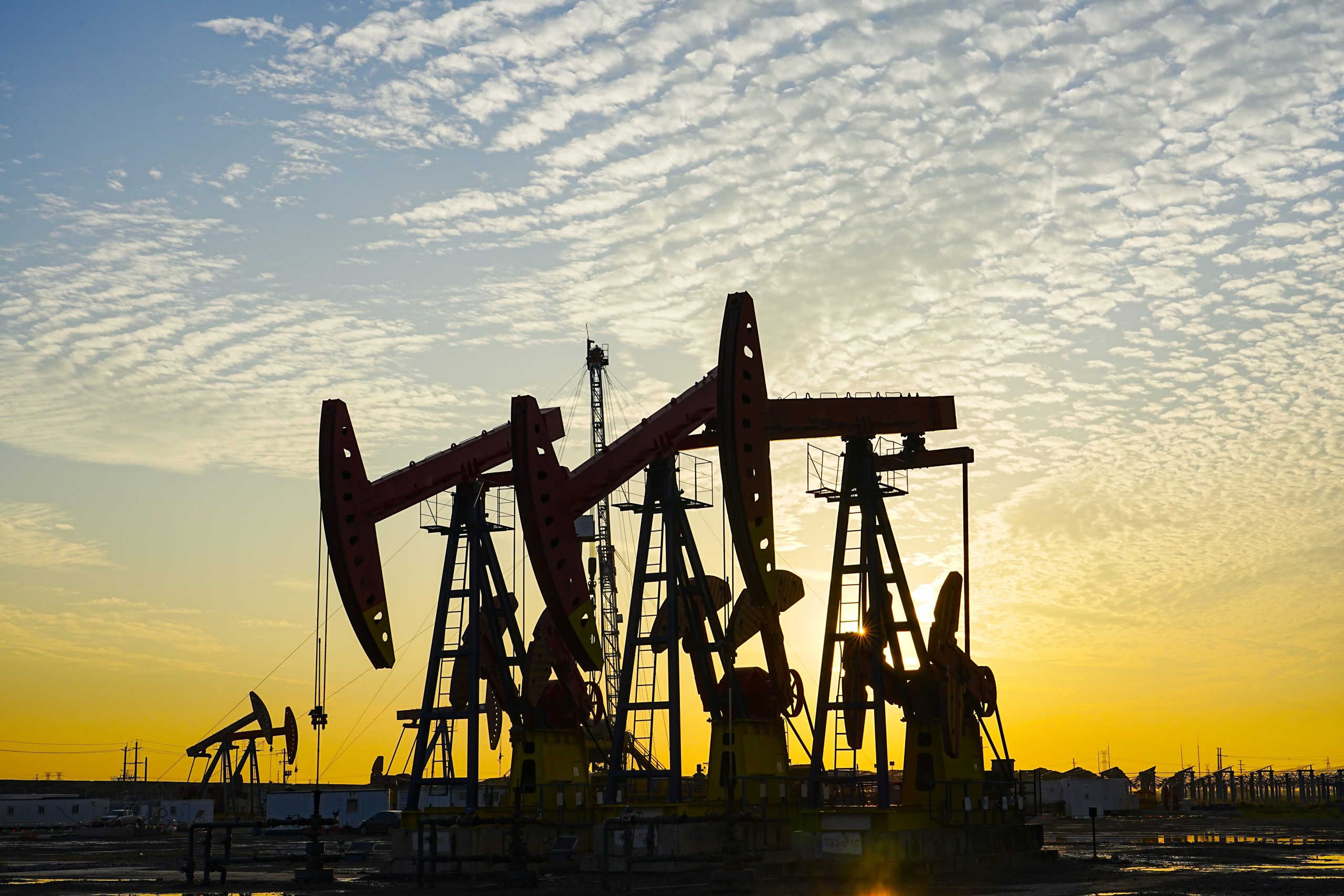
Global oil markets recorded a notable upward move as renewed hostilities between the United States and Iran reignited concerns over supply stability in the Middle East. The escalation has reintroduced a geopolitical risk premium into crude pricing, at a time when energy markets are already sensitive to shifting demand expectations and uneven global growth. For investors, the development underscores how quickly geopolitical tensions can translate into commodity market volatility.
Geopolitical Escalation Reintroduces Supply Risk Premium
The latest increase in oil prices reflects heightened concern that US–Iran tensions could disrupt regional energy flows. While no immediate large-scale supply interruption has been confirmed, traders are pricing in the risk of potential escalation affecting key infrastructure and maritime routes.
The Middle East remains a critical hub for global crude supply, with shipping lanes such as the Strait of Hormuz handling a significant portion of global oil transport. Even limited threats to transit security can rapidly influence pricing dynamics, as markets adjust expectations for potential disruptions.
This renewed geopolitical risk comes after a period of relative stabilization in oil markets, where attention had shifted toward demand-side factors such as global growth and central bank policy. The return of supply-side concerns has quickly shifted sentiment back toward defensive positioning in energy contracts.
Energy Markets React to Increased Volatility
Crude oil benchmarks have responded with increased volatility, reflecting the sensitivity of energy markets to geopolitical developments. Short-term trading activity has intensified as investors adjust exposure to risk events that could affect physical supply chains.
In periods of geopolitical uncertainty, oil markets tend to embed a higher risk premium, even in the absence of confirmed supply disruptions. This pricing behavior reflects the market’s forward-looking nature, where potential scenarios are rapidly incorporated into futures pricing.
For global investors, including those in Israeli markets closely linked to regional energy dynamics, fluctuations in oil prices also have broader macroeconomic implications. Energy costs feed directly into inflation expectations, transportation expenses, and industrial input prices, making crude oil a central variable in global macro analysis.
Inflation and Central Bank Sensitivity in Focus
Rising oil prices carry significant implications for inflation trajectories, particularly in economies where energy represents a large component of consumer and producer price indices. Central banks in the United States, Europe, and Asia continue to monitor energy-driven inflation pressures as they assess future interest rate paths.
Higher crude prices can complicate monetary policy decisions by reintroducing inflationary pressure even in environments where demand is moderating. This dynamic can reduce expectations for policy easing and contribute to tighter financial conditions across global markets.
At the same time, energy-sensitive sectors such as transportation, chemicals, and manufacturing may face margin pressure if elevated input costs persist. Equity markets often react to sustained oil price increases with sector rotation toward energy producers and away from consumption-heavy industries.
Outlook: Geopolitical Risk Remains Key Driver for Energy Markets
Looking ahead, oil price direction will depend heavily on whether US–Iran tensions escalate further or stabilize through diplomatic channels. Markets are expected to remain highly reactive to developments in shipping security, regional military activity, and energy infrastructure risk assessments.
Key risks include further escalation leading to actual supply disruptions, sustained volatility in futures markets, and upward pressure on global inflation expectations. On the other hand, any signs of de-escalation could quickly unwind part of the risk premium currently embedded in crude prices.
Overall, the renewed geopolitical friction reinforces the role of the Middle East as a central driver of global energy market volatility, with oil prices continuing to serve as a real-time barometer of geopolitical risk sentiment.
Comparison, examination, and analysis between investment houses
Leave your details, and an expert from our team will get back to you as soon as possible
* This article, in whole or in part, does not contain any promise of investment returns, nor does it constitute professional advice to make investments in any particular field.
To read more about the full disclaimer, click here
- omer bar
- •
- 7 Min Read
- •
- ago 9 hours
SKN | Fed’s Hammack Signals Rates Could Stay Elevated Amid Iran War Uncertainty
Fed Officials Signal Extended Pause Federal Reserve officials are increasingly signaling that interest rates could remain elevated for an extended
- ago 9 hours
- •
- 7 Min Read

Fed Officials Signal Extended Pause Federal Reserve officials are increasingly signaling that interest rates could remain elevated for an extended

- sagi habasov
- •
- 8 Min Read
- •
- ago 10 hours
SKN | DOJ Probes $2.6 Billion Oil Trades Placed Ahead of Iran War Announcements
The US Department of Justice (DOJ) has reportedly launched an investigation into approximately $2.6 billion worth of oil market
- ago 10 hours
- •
- 8 Min Read
The US Department of Justice (DOJ) has reportedly launched an investigation into approximately $2.6 billion worth of oil market

- Lior mor
- •
- 7 Min Read
- •
- ago 23 hours
SKN | China Tightens Credit Controls on US-Sanctioned Refiners as Energy Geopolitics Intensify
China has reportedly instructed its banks to suspend new lending to refiners targeted by US sanctions, according to Bloomberg News,
- ago 23 hours
- •
- 7 Min Read

China has reportedly instructed its banks to suspend new lending to refiners targeted by US sanctions, according to Bloomberg News,
- omer bar
- •
- 7 Min Read
- •
- ago 1 day
SKN | Can Gold Sustain Its Elevated Levels as US–Iran De-Escalation Shifts Inflation Expectations?
Gold prices held onto significant gains in global trading as expectations of a potential easing in US–Iran tensions helped cool
- ago 1 day
- •
- 7 Min Read

Gold prices held onto significant gains in global trading as expectations of a potential easing in US–Iran tensions helped cool

