


- orshu
- •
- 8 Min Read
- •
- 22 seconds ago
Key Points
- The US Dollar Index edged higher on May 7, reflecting cautious investor positioning ahead of key economic and monetary policy developments.
- Intraday volatility increased during US trading hours as markets reacted to shifting interest rate expectations and global currency movements.
- The dollar remains within its broader annual trading range, highlighting continued uncertainty surrounding inflation, growth, and Federal Reserve policy.

The US Dollar Index (DXY) traded modestly higher on May 7 as investors balanced expectations surrounding US monetary policy, global economic conditions, and ongoing geopolitical uncertainty. Currency markets remained highly sensitive to interest rate signals from the Federal Reserve, while traders also monitored broader movements across equities, commodities, and Treasury yields.
As of 3:38 PM EDT, the US Dollar Index stood at 98.08, rising by 0.06% during the session. Although the daily gain appeared relatively limited, intraday trading reflected elevated volatility as investors adjusted positions throughout the day.
Dollar Rebounds After Early Weakness During Volatile Trading Session
The trading session began with moderate weakness in the US dollar before the index gradually recovered during the afternoon. The DXY opened at 98.03 and traded within a daily range between 97.82 and 98.17, illustrating fluctuating sentiment among currency traders.
Early pressure on the dollar reflected ongoing uncertainty surrounding the future path of US interest rates and broader concerns tied to slowing global growth. However, the index regained momentum later in the session as investors repositioned ahead of upcoming economic data releases and potential Federal Reserve commentary.
The US dollar continues to serve as a primary global safe-haven currency during periods of geopolitical instability and financial market uncertainty. At the same time, expectations for potential interest rate adjustments remain one of the most significant drivers influencing currency valuations globally.
Currency analysts noted that the relatively narrow daily trading range may indicate that investors are waiting for stronger catalysts before establishing larger directional positions in foreign exchange markets.
Federal Reserve Expectations Continue Shaping Currency Markets
Market attention remains heavily focused on the Federal Reserve and the timing of any future monetary policy adjustments. Treasury yields and inflation expectations continue influencing the relative attractiveness of dollar-denominated assets compared with other major global currencies.
The dollar index remains well below its 52-week high of 101.98 but continues trading above its 52-week low of 95.55, reflecting a market environment still characterized by uncertainty regarding economic growth and inflation dynamics.
Investors are closely monitoring labor market data, inflation reports, and consumer spending trends for signals regarding the broader health of the US economy. Any indication that inflation remains persistent could strengthen expectations for prolonged higher interest rates, potentially providing additional support for the dollar.
Conversely, weaker economic data or signs of slowing growth could increase pressure on the Federal Reserve to consider easing monetary conditions later this year. Such expectations may weaken the dollar while supporting risk-sensitive assets including equities and emerging-market currencies.
Global Markets and Geopolitical Risks Add Pressure to Currency Trading
Beyond domestic monetary policy, global developments continue influencing foreign exchange markets. Ongoing geopolitical tensions in the Middle East, trade uncertainties, and concerns surrounding global manufacturing activity remain key variables affecting investor sentiment.
The dollar’s role within international trade and financial markets means shifts in US currency strength can directly impact commodity pricing, corporate earnings, and cross-border capital flows. A stronger dollar can place pressure on emerging-market economies and multinational corporations, while a weaker dollar may provide support for commodity-linked sectors and international trade activity.
For Israeli investors and businesses, dollar fluctuations remain particularly important due to Israel’s exposure to global technology exports, international capital markets, and US-denominated trade activity. Movements in the dollar can influence import costs, inflation expectations, and broader investment flows into Israeli financial assets.
Looking ahead, investors will continue monitoring Federal Reserve communications, upcoming inflation data, and Treasury yield movements for further direction in currency markets. While the dollar has remained relatively stable in recent sessions, broader market volatility and geopolitical uncertainty could quickly shift sentiment across foreign exchange markets. Traders are also expected to watch whether global economic conditions strengthen demand for safe-haven assets or encourage renewed movement into higher-risk international markets and currencies.
Comparison, examination, and analysis between investment houses
Leave your details, and an expert from our team will get back to you as soon as possible
* This article, in whole or in part, does not contain any promise of investment returns, nor does it constitute professional advice to make investments in any particular field.
To read more about the full disclaimer, click here
- orshu
- •
- 7 Min Read
- •
- ago 4 hours
SKN | European Markets Close Lower as Investors Weigh Growth Risks and Currency Strength
European markets closed lower on May 7 as investors reacted to slowing economic momentum, persistent geopolitical uncertainty, and renewed
- ago 4 hours
- •
- 7 Min Read

European markets closed lower on May 7 as investors reacted to slowing economic momentum, persistent geopolitical uncertainty, and renewed
- orshu
- •
- 8 Min Read
- •
- ago 4 hours
SKN | Thursday, May 7, 2026 – Tel Aviv Stocks Pull Back After Volatile Session | TA-125 Falls 0.66% Despite Strength in Value and Bond Markets
Tel Aviv markets closed lower on Thursday, May 7, 2026, after a volatile trading session marked by exceptionally high turnover
- ago 4 hours
- •
- 8 Min Read
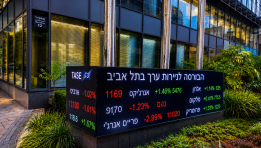
Tel Aviv markets closed lower on Thursday, May 7, 2026, after a volatile trading session marked by exceptionally high turnover
- orshu
- •
- 7 Min Read
- •
- ago 6 hours
SKN | U.S. Markets Hold Near Record Levels as Technology Strength Offsets Broader Weakness
U.S. equity markets traded near historic highs on May 7 as investors continued to favor large-cap technology names while
- ago 6 hours
- •
- 7 Min Read

U.S. equity markets traded near historic highs on May 7 as investors continued to favor large-cap technology names while
- orshu
- •
- 6 Min Read
- •
- ago 7 hours
SKN | The De-Escalation Premium: Middle East Diplomacy and UK Equity Realignment
Geopolitical De-escalation as a Market Catalyst The London Stock Exchange witnessed a significant structural rebound during Wednesday’s session, with the Investing.com United
- ago 7 hours
- •
- 6 Min Read

Geopolitical De-escalation as a Market Catalyst The London Stock Exchange witnessed a significant structural rebound during Wednesday’s session, with the Investing.com United


