


- Lior mor
- •
- 7 Min Read
- •
- 2 hours ago
Key Points
- Donald Trump stated that the United States will begin guiding vessels trapped in the Strait of Hormuz amid rising maritime tensions.
- The announcement adds a new layer of geopolitical risk to one of the world’s most critical oil transit routes.
- Energy and shipping markets remain highly sensitive to any disruption in flows through the Hormuz corridor.

Global energy and shipping markets came under renewed focus after former U.S. President Donald Trump stated that the United States will begin assisting in guiding vessels reportedly trapped in the Strait of Hormuz. The comments arrive at a time of already elevated tensions in the region, where maritime security risks continue to threaten one of the most critical corridors for global oil transportation.
The Strait of Hormuz handles roughly one-fifth of global oil flows, making it a central pressure point for energy markets. Any disruption in navigation through the narrow waterway has historically triggered sharp reactions in crude oil prices, shipping insurance premiums, and broader risk assets.
US Maritime Guidance Signals Expanded Regional Involvement
Trump’s remarks suggest a potential shift toward more active U.S. involvement in safeguarding commercial navigation through the region. While details of the operational framework remain unclear, the reference to “guiding trapped ships” implies logistical or naval coordination aimed at reducing the risk of vessel immobilization in contested waters.
Market participants interpret such statements as an indication that the U.S. may seek to reinforce maritime security presence in the Gulf, potentially alongside allied naval forces. This would mark an escalation in operational engagement at a time when regional actors remain on heightened alert.
For energy traders, the key implication lies in the potential reduction—or escalation—of perceived transit risk. Even without physical disruption, increased military presence can influence shipping insurance costs and freight pricing across global energy routes.
Oil Markets and Shipping Routes React to Rising Uncertainty
Oil markets have remained relatively stable in recent sessions, but underlying volatility expectations continue to reflect geopolitical uncertainty. Brent crude has been trading within a constrained range, as traders balance supply fundamentals with risk premiums tied to the Middle East.
Shipping markets are particularly sensitive to developments in the Strait of Hormuz. Any perception of restricted movement typically leads to higher war-risk insurance premiums and rerouting considerations for tanker operators. These adjustments can ripple through global supply chains, affecting delivery timelines and transport costs.
For Israeli markets and broader regional investors, the implications are indirect but meaningful. Energy price volatility can feed into inflation expectations, while shipping disruptions may impact trade-sensitive sectors and import costs.
Strategic Energy Corridor Remains a Global Pressure Point
The Strait of Hormuz continues to function as a structural risk node in global energy infrastructure. With approximately 20 million barrels of oil passing daily through the corridor, even minor disruptions can have outsized effects on global pricing benchmarks and inventory expectations.
The latest developments underscore the fragility of maritime energy routes at a time when global supply chains are already adjusting to shifting trade alliances and geopolitical fragmentation. While no physical blockade has been confirmed, the combination of political signaling and regional tension has been sufficient to keep risk premiums embedded in energy pricing.
Market participants are closely monitoring whether increased U.S. involvement translates into improved transit security or whether it further complicates the regional balance of power.
Looking ahead, attention will remain focused on operational details of U.S. involvement, responses from regional actors, and any escalation in maritime incidents. Key risks include disruptions to tanker flows, retaliatory actions by regional powers, or miscalculations in naval coordination. Conversely, successful stabilization of shipping routes could ease risk premiums and support normalization in energy transport costs over time.
Comparison, examination, and analysis between investment houses
Leave your details, and an expert from our team will get back to you as soon as possible
* This article, in whole or in part, does not contain any promise of investment returns, nor does it constitute professional advice to make investments in any particular field.
To read more about the full disclaimer, click here
- omer bar
- •
- 6 Min Read
- •
- ago 1 day
SKN | US Fast-Tracks $8.6 Billion Arms Sales to Middle East Allies—What It Means for Markets and Geopolitics
The United States has moved to fast-track $8.6 billion in arms sales to key Middle Eastern allies, reflecting a
- ago 1 day
- •
- 6 Min Read

The United States has moved to fast-track $8.6 billion in arms sales to key Middle Eastern allies, reflecting a

- sagi habasov
- •
- 5 Min Read
- •
- ago 2 days
SKN | Trump Expands Sanctions on Cuba as Pressure Campaign Intensifies
New Sanctions Target Cuba’s Power Structure Donald Trump has signed a new executive order expanding sanctions on Cuba, targeting individuals,
- ago 2 days
- •
- 5 Min Read

New Sanctions Target Cuba’s Power Structure Donald Trump has signed a new executive order expanding sanctions on Cuba, targeting individuals,

- Arik Arkadi Sluzki
- •
- 7 Min Read
- •
- ago 3 days
SKN | Oil Prices Surge as U.S.–Iran Standoff Deepens: Markets Confront Geopolitical Risk Premium
Global energy markets are experiencing a sharp repricing as tensions between the United States and Iran remain at a
- ago 3 days
- •
- 7 Min Read
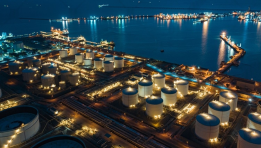
Global energy markets are experiencing a sharp repricing as tensions between the United States and Iran remain at a
- sagi habasov
- •
- 8 Min Read
- •
- ago 4 days
SKN | Will Jerome Powell’s Decision to Stay on the Fed Board Reshape Central Bank Stability Amid Rising Political Pressure?
Jerome Powell’s decision to remain on the Federal Reserve Board, while citing what he described as a “series of legal
- ago 4 days
- •
- 8 Min Read
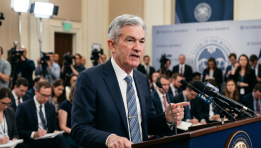
Jerome Powell’s decision to remain on the Federal Reserve Board, while citing what he described as a “series of legal


