


- sagi habasov
- •
- 5 Min Read
- •
- 2 days ago
Key Points
- Donald Trump signs new sanctions targeting Cuba’s security-linked entities and officials.
- Measures expand economic pressure amid an ongoing fuel and financial crisis on the island.
- Rising tensions spark speculation about broader escalation, including potential military options.

New Sanctions Target Cuba’s Power Structure
Donald Trump has signed a new executive order expanding sanctions on Cuba, targeting individuals, entities, and affiliates tied to the country’s security apparatus, corruption networks, and alleged human rights violations.
The measures also allow U.S. authorities to impose secondary sanctions on those doing business with designated parties—effectively widening the scope of financial and operational restrictions.
While the administration has not publicly disclosed all targets, the policy signals a deeper focus on weakening the institutional backbone of Cuba’s government.
Part of a Broader “Maximum Pressure” Strategy
The latest move is part of a broader campaign aimed at isolating Cuba economically and politically. Since early 2026, the U.S. has tightened restrictions on oil shipments and financing, contributing to severe fuel shortages and nationwide blackouts.
Cuba’s economy—already strained by decades of embargo—has faced worsening conditions as access to energy, foreign currency, and trade channels has been curtailed.
The administration has justified its actions by citing national security concerns and Havana’s alleged ties to U.S. adversaries.
Financial and Global Ripple Effects
The sanctions extend beyond Cuba’s borders. Foreign banks and companies that engage with sanctioned Cuban entities risk losing access to the U.S. financial system or having assets frozen.
This extraterritorial reach increases pressure on global partners, forcing them to choose between maintaining ties with Cuba or preserving access to U.S. markets and dollar-based transactions.
Escalation Risks and Political Tensions
The intensifying pressure has fueled speculation about further escalation. Recent rhetoric from Washington has raised concerns about potential military action, though no official plans have been confirmed.
At the same time, political divisions in the U.S. remain evident. Lawmakers have debated limits on executive authority, but efforts to restrain potential military action have so far failed.
Cuban officials, meanwhile, have accused Washington of attempting to create conditions for regime change.
Outlook: Economic Pressure vs. Political Resilience
The effectiveness of the sanctions will depend on whether sustained economic pressure can translate into political concessions. Historically, Cuba’s leadership has shown resilience under prolonged sanctions, raising questions about whether the current strategy will achieve its objectives.
For global markets, the situation adds another layer of geopolitical uncertainty—particularly as it intersects with broader tensions involving energy supply, trade, and regional stability.
Comparison, examination, and analysis between investment houses
Leave your details, and an expert from our team will get back to you as soon as possible
* This article, in whole or in part, does not contain any promise of investment returns, nor does it constitute professional advice to make investments in any particular field.
To read more about the full disclaimer, click here
- Lior mor
- •
- 7 Min Read
- •
- ago 5 hours
SKN | Trump Signals U.S. Intervention in Hormuz as Maritime Risk Escalates for Trapped Shipping Vessels
Global energy and shipping markets came under renewed focus after former U.S. President Donald Trump stated that the United States
- ago 5 hours
- •
- 7 Min Read
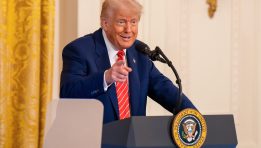
Global energy and shipping markets came under renewed focus after former U.S. President Donald Trump stated that the United States

- omer bar
- •
- 6 Min Read
- •
- ago 1 day
SKN | US Fast-Tracks $8.6 Billion Arms Sales to Middle East Allies—What It Means for Markets and Geopolitics
The United States has moved to fast-track $8.6 billion in arms sales to key Middle Eastern allies, reflecting a
- ago 1 day
- •
- 6 Min Read

The United States has moved to fast-track $8.6 billion in arms sales to key Middle Eastern allies, reflecting a

- Arik Arkadi Sluzki
- •
- 7 Min Read
- •
- ago 4 days
SKN | Oil Prices Surge as U.S.–Iran Standoff Deepens: Markets Confront Geopolitical Risk Premium
Global energy markets are experiencing a sharp repricing as tensions between the United States and Iran remain at a
- ago 4 days
- •
- 7 Min Read
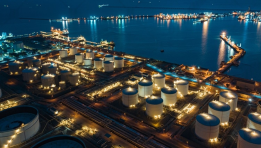
Global energy markets are experiencing a sharp repricing as tensions between the United States and Iran remain at a

- sagi habasov
- •
- 8 Min Read
- •
- ago 4 days
SKN | Will Jerome Powell’s Decision to Stay on the Fed Board Reshape Central Bank Stability Amid Rising Political Pressure?
Jerome Powell’s decision to remain on the Federal Reserve Board, while citing what he described as a “series of legal
- ago 4 days
- •
- 8 Min Read
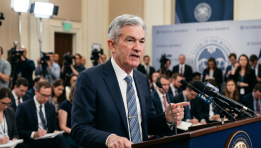
Jerome Powell’s decision to remain on the Federal Reserve Board, while citing what he described as a “series of legal


