


- omer bar
- •
- 6 Min Read
- •
- 17 seconds ago
Key Points
- Expectations for the Fed to hold rates at 3.75% in Chairman Powell's final meeting stabilize the FX market (USD/ILS at 2.96) while underpricing supply-side inflationary risks from energy supply chain disruptions.
- Israel’s "Fiscal Trilemma," marked by a sharp projected rise in Debt-to-GDP toward 81%-83%, exerts structural pressure on the domestic yield curve and limits the Bank of Israel's capacity to counter economic slowdowns.
- Persistent volatility in oil prices, driven by the Hormuz Strait tensions, is beginning to permeate Core CPI, compelling central banks to maintain restrictive stances despite downside risks to growth.
Economic Framework: The Mechanics of FX and Interest Rate Equilibrium
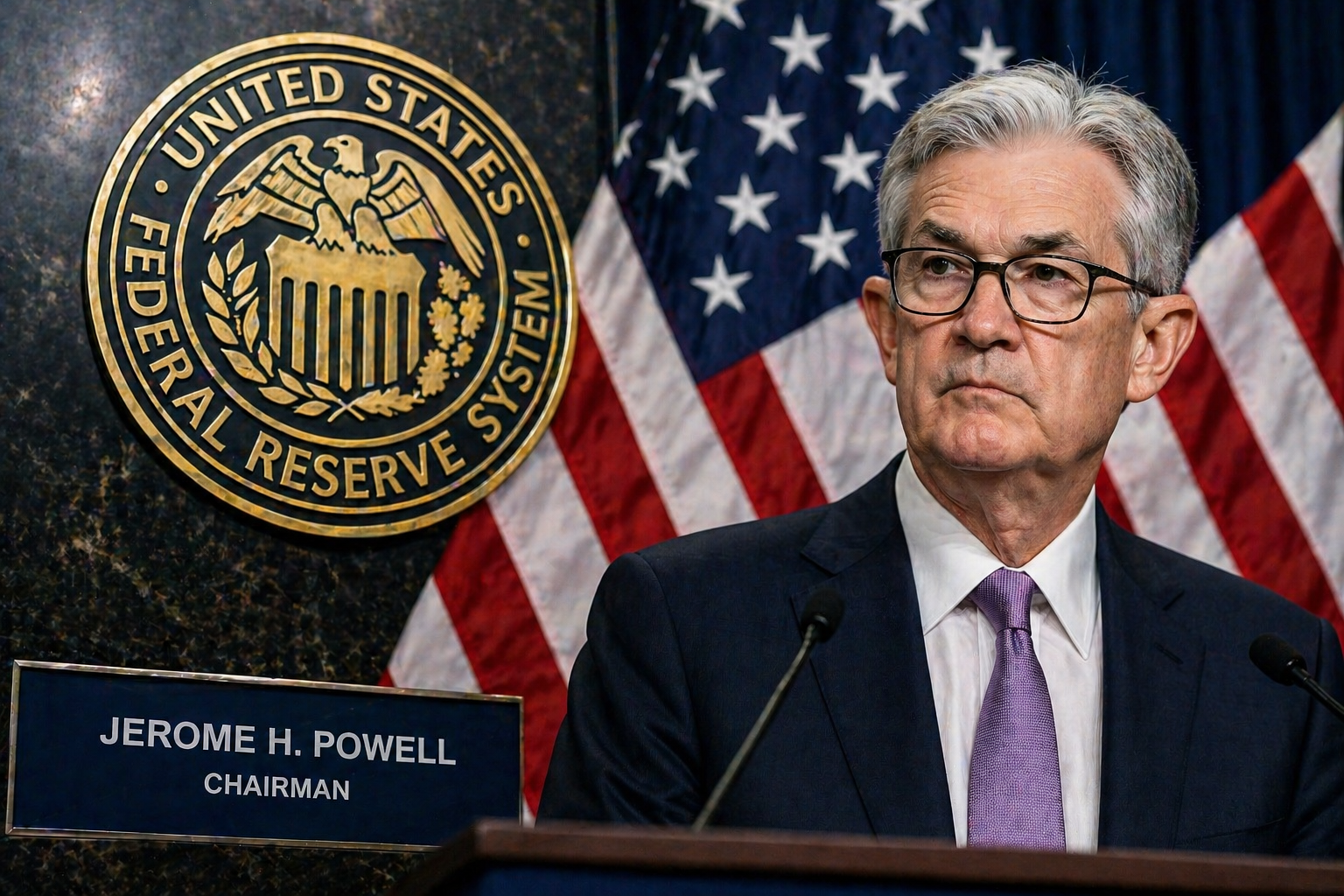
The global currency market has entered a period of relative calm as Jerome Powell prepares to conclude his term on May 15. With the US federal funds rate expected to remain at a restrictive 3.75%, the underlying economic machinery is being reshaped by supply-side shocks and energy costs that remain significantly above historical norms. In Israel, the uncertainty surrounding the war’s conclusion and its budgetary implications maintains an inherent risk premium on the Shekel, despite short-term stability in the exchange rate.
Supply-Shock Inflation and Interest Rate Trajectories
Analysis from former Fed officials suggests that current inflation is not a transient demand-side event but a structural consequence of elevated input costs. This mechanism infiltrates inflation expectations and generates high “real rates” that weigh on capital-intensive sectors. Major central banks, including the ECB and BoE, are forced to maintain current levels to prevent energy price spillovers into core inflation, narrowing the window for rate cuts in the second half of 2026.
Debt-to-GDP Deterioration and Fiscal Policy Constraints
In Israel, Governor Amir Yaron’s warnings point to a structural shift in the nation’s risk balance. The projected rise in Debt-to-GDP from 68.6% toward 81% and beyond is driven by a dual mechanism: a surge in defense expenditures combined with an erosion of the tax base. This process diminishes the government’s fiscal space and creates a growing dependency on high-cost debt issuance. The Governor warns that without revenue-side adjustments, the country risks losing the downward dynamic of its debt ratio, impacting private sector borrowing costs.
The “Trilemma” Mechanism and Resource Allocation
The domestic trilemma—balancing high defense needs, rigid civilian expenditures, and the political difficulty of tax hikes—creates a deadlock that burdens long-term growth potential. The mechanism of tax cuts alongside war costs exceeding 400 billion NIS generates a structural deficit that is no longer temporary. This environment forces monetary policy to remain more restrictive to compensate for expansive fiscal policy, increasing the risk of “Crowding Out” private investment in local capital markets.
Forward-Looking
Market participants should monitor tomorrow’s BoE and ECB decisions as indicators of global monetary synchronization against the USD. The primary risk for Israel lies in the upward momentum of the debt ratio, which could trigger further credit downgrades if consolidation measures are not introduced for the 2027 budget. Investors must scrutinize core inflation trends in the US over the coming months; any signs of persistence will likely push the prospect of rate cuts deep into 2027.
Comparison, examination, and analysis between investment houses
Leave your details, and an expert from our team will get back to you as soon as possible
* This article, in whole or in part, does not contain any promise of investment returns, nor does it constitute professional advice to make investments in any particular field.
To read more about the full disclaimer, click here
- Lior mor
- •
- 9 Min Read
- •
- ago 4 hours
SKN | Are Stagflation Fears Underpriced as the Iran War Disrupts Global Energy Markets?
The prolonged conflict involving Iran and the continued closure of the Strait of Hormuz are increasingly reshaping global economic expectations,
- ago 4 hours
- •
- 9 Min Read
The prolonged conflict involving Iran and the continued closure of the Strait of Hormuz are increasingly reshaping global economic expectations,

- omer bar
- •
- 6 Min Read
- •
- ago 24 hours
SKN | Why the Fed Is ‘Firmly Parked’ on Rates as Powell Faces His Final Meeting
The Federal Reserve is set to hold interest rates steady, reinforcing a “wait-and-see” approach as policymakers assess the economic impact
- ago 24 hours
- •
- 6 Min Read

The Federal Reserve is set to hold interest rates steady, reinforcing a “wait-and-see” approach as policymakers assess the economic impact

- Ronny Mor
- •
- 7 Min Read
- •
- ago 2 days
SKN | Are UK Retail Discounts Signaling a Deeper Demand Slowdown as Consumer Confidence Slips?
UK retailers are stepping up promotional activity and expanding discounts as signs of weakening consumer confidence begin to filter through
- ago 2 days
- •
- 7 Min Read

UK retailers are stepping up promotional activity and expanding discounts as signs of weakening consumer confidence begin to filter through
- omer bar
- •
- 7 Min Read
- •
- ago 3 days
SKN | Why the Fed Is Likely to Hold Rates Despite Mounting Pressure from Oil and War Risks
The Federal Reserve is widely expected to leave interest rates unchanged at its upcoming meeting, as policymakers grapple with a
- ago 3 days
- •
- 7 Min Read
The Federal Reserve is widely expected to leave interest rates unchanged at its upcoming meeting, as policymakers grapple with a

