


- orshu
- •
- 6 Min Read
- •
- 18 seconds ago
Key Points
- The S&P 500 has surged to record highs following a sharp 44% drop in the CBOE Volatility Index (VIX), a rare “volatility crash” historically associated with strong future market returns.
- Historical data from Charlie Bilello shows that similar volatility collapses have led to an average 19.9% one-year gain and a 100.1% five-year return, with a consistent track record of long-term market gains.
- Despite bullish signals, ongoing geopolitical tensions involving Iran and disruptions in the Strait of Hormuz continue to pose risks through elevated energy prices, inflation pressures, and global economic uncertainty.
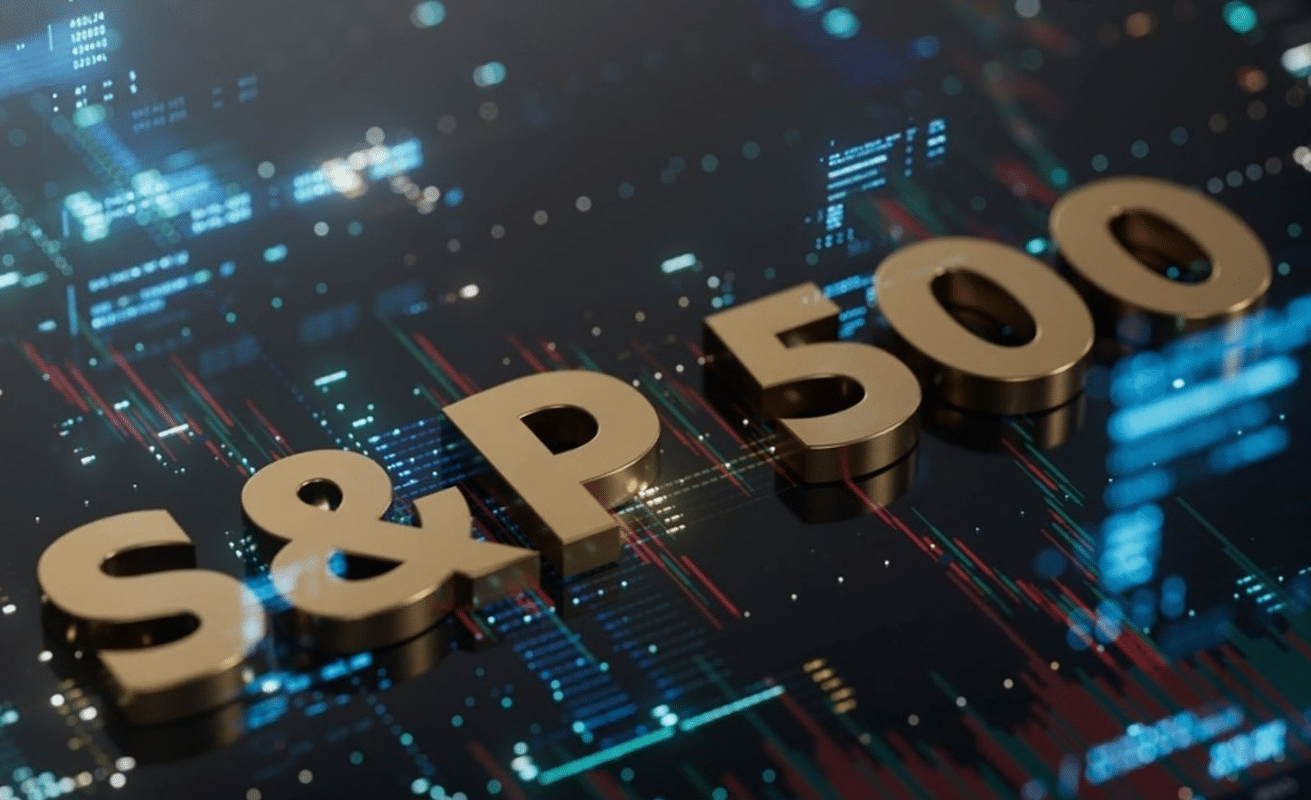
While global headlines remain fixated on military tensions with Iran and the closure of the Strait of Hormuz, Wall Street is broadcasting a starkly different message: unprecedented optimism. Following a turbulent March where major indices slipped into correction territory, the S&P 500 and Nasdaq have surged to fresh record highs. This rally is backed by a rare historical technical event that suggests a golden era for long-term investors.
The Crash That Signaled the Surge: VIX Plummets
The biggest story of recent weeks isn’t just the rise in prices, but the dramatic collapse in volatility. The CBOE Volatility Index (VIX), often called the “Fear Gauge,” spiked above 31 in February and March as the war began and energy-driven inflation fears gripped the market.
However, over the last three weeks, we have witnessed a “volatility crash.” The index plummeted 44% to reach 17.48. Historically, this is only the 20th time since 1990 that the VIX has dropped by more than 34.7% in such a short window. In the world of finance, these crashes are considered among the most bullish signals for future market performance.
What Does History Tell Us?
Data compiled by Chief Market Strategist Charlie Bilello reveals a powerful correlation between these volatility collapses and future S&P 500 returns. On average, one year after such a crash, the benchmark index posts a total return of 19.9% (including dividends)—nearly double the historical annual average.
Looking further out, the projections become even more compelling. The average five-year total return following these events is 100.1%. Perhaps most significantly, in every single one of the 20 occurrences over the last 36 years, the market was higher two, three, four, and five years later. Currently, this indicator boasts a 100% success rate for predicting long-term gains.
The Iran Conflict and the Reality Check
Despite the encouraging technical data, the economic reality remains complex. While the stock market has erased its war-related losses, the real economy is still grappling with the conflict’s fallout:
- Energy Prices: Crude oil remains above $90 per barrel, straining household budgets and keeping gas and diesel prices elevated.
- Supply Disruptions: The closure of the Strait of Hormuz—a transit point for 20% of global oil demand—continues to fuel inflation and increase shipping costs.
- Geopolitical Uncertainty: With President Trump’s blockade and inconclusive talks in Islamabad, the risk remains high despite the “relief rally” triggered by the fragile ceasefire.
Food for Thought: Wall Street’s optimism is built on the hope that the ceasefire holds and that corporate earnings remain resilient. However, the gap between record-breaking stock indices and the daily struggle of citizens facing high living costs has rarely been wider.
Investor Summary
For long-term investors, history once again suggests that periods of extreme fear and high volatility are often the best windows for market entry. Despite the geopolitical headwinds, the S&P 500 has demonstrated its trademark “V-shaped” recovery, now setting its sights on the historical precedent of doubling its value within the next five years.
Comparison, examination, and analysis between investment houses
Leave your details, and an expert from our team will get back to you as soon as possible
* This article, in whole or in part, does not contain any promise of investment returns, nor does it constitute professional advice to make investments in any particular field.
To read more about the full disclaimer, click here
- orshu
- •
- 5 Min Read
- •
- ago 4 hours
SKN | Asia Markets Close Mostly Lower on April 23, 2026 as Korea Extends Gains While Regional Weakness Broadens
Asian markets closed April 23, 2026, mostly lower, as regional weakness broadened despite continued strength in South Korea. The session
- ago 4 hours
- •
- 5 Min Read

Asian markets closed April 23, 2026, mostly lower, as regional weakness broadened despite continued strength in South Korea. The session
- orshu
- •
- 4 Min Read
- •
- ago 6 hours
SKN | European Markets Slip as Broad Weakness Offsets Gains in France
European markets moved lower on Thursday, April 23, 2026, as broad-based weakness weighed on regional equities despite isolated strength in
- ago 6 hours
- •
- 4 Min Read

European markets moved lower on Thursday, April 23, 2026, as broad-based weakness weighed on regional equities despite isolated strength in
- orshu
- •
- 6 Min Read
- •
- ago 16 hours
SKN | Markets Rally on April 22, 2026 as Tech Leads and S&P 500 Hits Fresh High Above 7,100
U.S. equity markets closed sharply higher on Wednesday, April 22, 2026, as strong buying momentum returned across major indices. Technology
- ago 16 hours
- •
- 6 Min Read
U.S. equity markets closed sharply higher on Wednesday, April 22, 2026, as strong buying momentum returned across major indices. Technology
- orshu
- •
- 5 Min Read
- •
- ago 17 hours
SKN | Bitcoin ETF Gains Momentum: IBIT Climbs as Crypto Sentiment Strengthens
The iShares Bitcoin Trust ETF (IBIT) advanced on April 22, rising by over five percent as Bitcoin-related assets regained momentum.
- ago 17 hours
- •
- 5 Min Read
The iShares Bitcoin Trust ETF (IBIT) advanced on April 22, rising by over five percent as Bitcoin-related assets regained momentum.

