


- Ronny Mor
- •
- 7 Min Read
- •
- 17 seconds ago
Key Points
- Samsung workers are protesting a widening compensation gap with SK Hynix, raising the risk of prolonged industrial action
- Labor tensions come at a critical time for the semiconductor sector, driven by surging AI-related demand
- Potential disruptions could affect global memory supply chains and investor sentiment toward chipmakers
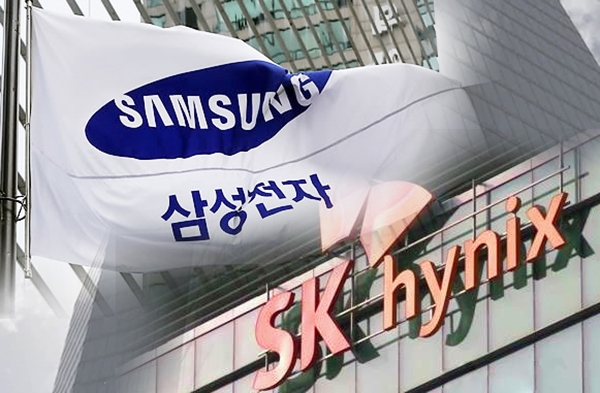
Samsung Electronics is facing escalating labor tensions as workers protest what they describe as a significant pay disparity compared to rival SK Hynix. The dispute, which includes threats of a prolonged strike, emerges at a time when the global semiconductor industry is benefiting from strong demand linked to artificial intelligence and high-performance computing.
For global investors, including those in Israel with exposure to semiconductor equities, the situation highlights how labor dynamics can intersect with supply chain stability and influence valuation outlooks in a capital-intensive, cyclical industry.
Labor Dispute Reflects Shifting Industry Profit Dynamics
The growing dissatisfaction among Samsung workers is closely tied to the divergent financial performance between the company and SK Hynix. While both firms operate within the memory semiconductor segment, SK Hynix has recently reported stronger profitability, driven largely by its leadership in high-bandwidth memory (HBM) used in AI applications.
This divergence has translated into compensation differences, with SK Hynix employees reportedly benefiting from higher bonuses and improved wage structures. In contrast, Samsung’s more diversified business model and exposure to weaker segments, such as legacy memory and consumer electronics, have weighed on short-term earnings momentum.
The resulting perception of unequal reward distribution has intensified labor pressure, particularly as workers seek to align compensation more closely with industry peers during a period of strong sector-wide demand.
Strike Risk Raises Concerns for Global Supply Chains
The possibility of an extended strike introduces uncertainty into global semiconductor supply chains. Samsung is one of the world’s largest producers of memory chips, including DRAM and NAND, which are essential components across a wide range of industries—from cloud computing to consumer electronics.
Any disruption in production could tighten supply conditions, particularly in segments already experiencing strong demand from AI infrastructure buildouts. While the duration and scale of potential labor action remain unclear, even short-term interruptions could impact delivery timelines and pricing dynamics.
For global markets, the risk is not limited to Samsung alone. Supply constraints in one major producer can have ripple effects across the broader ecosystem, influencing competitors, downstream manufacturers, and end-market pricing.
Investor Sensitivity to Execution and Cost Pressures
Equity markets are likely to remain sensitive to developments in the labor dispute, particularly given the high expectations currently embedded in semiconductor valuations. Investors have increasingly focused on companies with strong exposure to AI-driven demand, where margins and growth visibility are key drivers of performance.
Labor-related cost increases could pressure margins if wage adjustments are implemented, while operational disruptions could affect near-term revenue realization. At the same time, the situation underscores a broader theme in the semiconductor industry: the need to balance capital investment, technological leadership, and workforce stability.
For institutional investors, the key consideration is whether the dispute represents a temporary negotiation cycle or signals a more structural shift in labor cost dynamics within the sector.
Outlook: Negotiations and Supply Stability in Focus
Looking ahead, market attention will center on the outcome of negotiations between Samsung management and labor representatives, as well as any indications of strike timelines or mitigation strategies. A swift resolution could limit operational impact, while a prolonged dispute may introduce greater volatility into both supply chains and equity valuations.
Key risks include extended production disruptions, rising labor costs, and potential spillover effects into other semiconductor producers. On the upside, strong underlying demand for AI-related memory products may provide a buffer against short-term operational challenges.
For global investors, including those in Israel, the situation highlights the importance of monitoring not only technological trends but also workforce dynamics as a factor influencing performance in the semiconductor sector.
Comparison, examination, and analysis between investment houses
Leave your details, and an expert from our team will get back to you as soon as possible
* This article, in whole or in part, does not contain any promise of investment returns, nor does it constitute professional advice to make investments in any particular field.
To read more about the full disclaimer, click here
- orshu
- •
- 7 Min Read
- •
- ago 4 hours
SKN | Global Markets Wrap: April 22, 2026 Performance Review and Outlook for April 23, 2026 as U.S. Equities Extend Gains While Global Risk Sentiment Turns Mixed
Global financial markets ended the April 22, 2026 session with a clear regional divergence. U.S. equities extended their upward momentum,
- ago 4 hours
- •
- 7 Min Read

Global financial markets ended the April 22, 2026 session with a clear regional divergence. U.S. equities extended their upward momentum,

- Lior mor
- •
- 8 Min Read
- •
- ago 6 hours
SKN | Asian Markets Trade Mixed on April 23 as Korea Leads Gains While India and Australia Decline
Asian equity markets opened Thursday, April 23 with mixed performance across the region as investors navigated diverging signals during the
- ago 6 hours
- •
- 8 Min Read

Asian equity markets opened Thursday, April 23 with mixed performance across the region as investors navigated diverging signals during the

- Ronny Mor
- •
- 5 Min Read
- •
- ago 9 hours
SKN | Berkshire Hathaway Trims Key Holdings: Strategic Shift or Caution Signal for Markets?
Berkshire Hathaway has recently reduced its stakes in several holdings, drawing attention from global investors seeking insight into the firm’s
- ago 9 hours
- •
- 5 Min Read

Berkshire Hathaway has recently reduced its stakes in several holdings, drawing attention from global investors seeking insight into the firm’s
- orshu
- •
- 6 Min Read
- •
- ago 9 hours
SKN | Fermi Inc. Surges on Heavy Volume: Breakout Rally or Speculative Spike?
Fermi Inc. (FRMI) delivered a notable surge on April 22, with shares rising by over fifteen percent amid heavy
- ago 9 hours
- •
- 6 Min Read

Fermi Inc. (FRMI) delivered a notable surge on April 22, with shares rising by over fifteen percent amid heavy

