


- sagi habasov
- •
- 7 Min Read
- •
- 18 seconds ago
Key Points
- SK Hynix reported a five-fold jump in first-quarter profit, reaching a record level driven by AI-related demand
- The company’s performance underscores the explosive growth in high-bandwidth memory used in AI chips such as those from Nvidia
- Semiconductor supply chain players are benefiting from sustained AI infrastructure investment across global markets
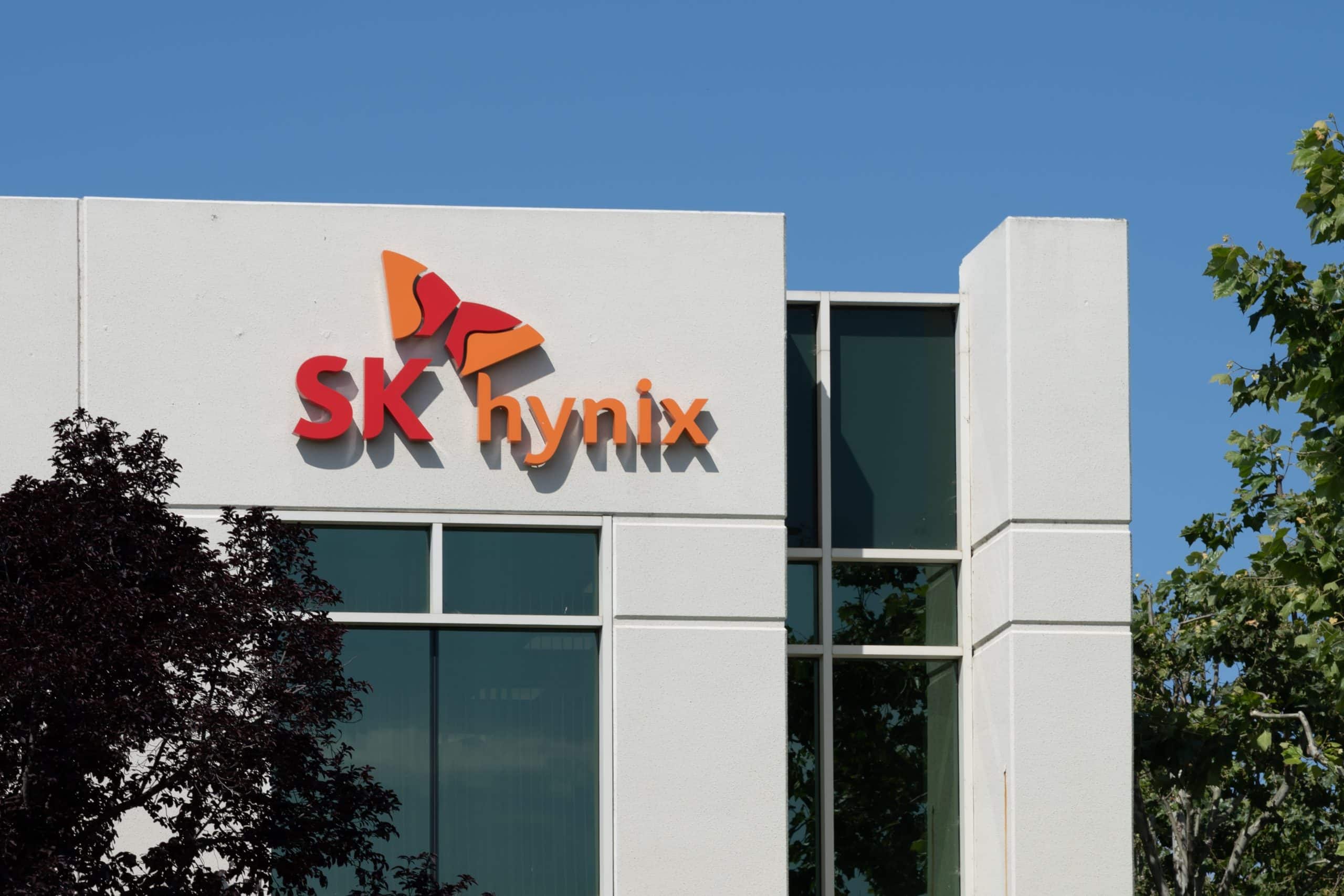
SK Hynix has reported a sharp surge in first-quarter profitability, with earnings rising five-fold to a record high, driven by robust demand linked to the artificial intelligence boom. The South Korean chipmaker, a key supplier to Nvidia, continues to benefit from accelerated global investment in AI infrastructure, where advanced memory chips play a critical role in powering high-performance computing systems.
The results highlight how AI-driven demand is reshaping the semiconductor supply chain, with memory manufacturers emerging as major beneficiaries of the shift toward generative AI, data-intensive applications, and large-scale cloud computing expansion. For global investors, including those in Israel exposed to semiconductor and technology sectors, the earnings reinforce the structural impact of AI on hardware demand cycles.
AI Demand Fuels Historic Earnings Expansion
SK Hynix’s record performance reflects a dramatic increase in demand for high-bandwidth memory (HBM), a critical component used in AI accelerators such as Nvidia’s graphics processing units. While exact quarterly figures vary by reporting standard, the company confirmed that operating profit increased approximately five times year-over-year, marking one of its strongest periods on record.
The surge is closely tied to the rapid expansion of generative AI systems, which require significantly higher memory capacity and bandwidth compared to traditional computing workloads. As major technology firms scale AI model training and deployment, demand for advanced DRAM and HBM products has tightened supply conditions across the industry.
This supply-demand imbalance has contributed to stronger pricing power for leading memory manufacturers, particularly those with early leadership in next-generation chip architectures.
Strategic Positioning Within the AI Supply Chain
SK Hynix’s role as a key supplier to Nvidia places it at the center of the global AI hardware ecosystem. Nvidia’s dominance in AI accelerators has created a ripple effect across its supply chain, with memory providers experiencing elevated order volumes and extended production cycles.
The company has been investing heavily in expanding its HBM production capacity to meet long-term demand expectations. Industry dynamics suggest that HBM adoption will continue to rise as AI models grow in complexity, further increasing memory intensity per chip.
This positioning has elevated SK Hynix from a cyclical memory supplier to a strategic enabler of AI infrastructure growth, linking its financial performance more directly to global AI capital expenditure trends.
Semiconductor Market Cycles Shift Toward AI-Driven Growth
The broader semiconductor industry is undergoing a structural shift, moving away from traditional consumer electronics cycles toward AI-centric demand drivers. Unlike smartphones or PCs, AI workloads require sustained high-performance computing infrastructure, which supports longer-term demand visibility for advanced chips.
For memory producers, this transition is particularly significant. High-bandwidth memory commands higher margins compared to conventional DRAM, improving profitability profiles for leading suppliers during periods of strong AI investment.
However, the sector remains sensitive to potential cyclical risks, including inventory adjustments, shifts in cloud spending, and the eventual normalization of AI infrastructure investment growth rates.
Outlook: Sustained AI Investment to Drive Memory Demand Cycle
Looking ahead, SK Hynix’s outlook will depend heavily on the continuation of AI infrastructure expansion across hyperscale cloud providers and semiconductor demand from AI accelerator manufacturers. Market participants will closely monitor pricing trends in HBM, capacity expansion plans, and potential supply constraints across the industry.
Risks include potential overcapacity if AI investment slows, increased competition from rival memory producers, and volatility in semiconductor pricing cycles. However, the medium-term trajectory remains supported by strong structural demand for AI computing infrastructure.
For global markets, including technology-focused portfolios in Israel, the company’s performance underscores the increasingly central role of semiconductor supply chains in the AI-driven investment cycle.
Comparison, examination, and analysis between investment houses
Leave your details, and an expert from our team will get back to you as soon as possible
* This article, in whole or in part, does not contain any promise of investment returns, nor does it constitute professional advice to make investments in any particular field.
To read more about the full disclaimer, click here
- sagi habasov
- •
- 7 Min Read
- •
- ago 54 minutes
SKN | Tesla’s Optimus Robot Moves Closer to Commercial Reality as AI Robotics Race Intensifies
The development of humanoid robotics has moved from theoretical research into an increasingly competitive industrial race, with Tesla’s Optimus program
- ago 54 minutes
- •
- 7 Min Read

The development of humanoid robotics has moved from theoretical research into an increasingly competitive industrial race, with Tesla’s Optimus program

- Ronny Mor
- •
- 8 Min Read
- •
- ago 1 hour
SKN | Will Microsoft’s $18 Billion Australia Investment Redefine the Global AI Infrastructure Race?
Microsoft is set to invest approximately $18 billion in Australia as part of a major expansion of its artificial intelligence
- ago 1 hour
- •
- 8 Min Read

Microsoft is set to invest approximately $18 billion in Australia as part of a major expansion of its artificial intelligence

- omer bar
- •
- 6 Min Read
- •
- ago 2 hours
SKN | SoftBank’s $10 Billion Margin Loan Plan Signals Rising Confidence in AI Valuations
SoftBank is reportedly exploring a $10 billion margin loan backed by its holdings in OpenAI, underscoring the increasing role of
- ago 2 hours
- •
- 6 Min Read

SoftBank is reportedly exploring a $10 billion margin loan backed by its holdings in OpenAI, underscoring the increasing role of
- Ronny Mor
- •
- 6 Min Read
- •
- ago 4 hours
SKN | Palantir Secures Major $300 Million Deal: What It Signals for Growth and Market Positioning
Palantir Technologies has secured a major contract valued at approximately $300 million, underscoring the growing demand for advanced data
- ago 4 hours
- •
- 6 Min Read

Palantir Technologies has secured a major contract valued at approximately $300 million, underscoring the growing demand for advanced data


