


- sagi habasov
- •
- 7 Min Read
- •
- 8 minutes ago
Key Points
- XLE offers low cost exposure to major U.S. energy companies with strong recent performance
- The fund is highly concentrated, with heavy weightings in Exxon Mobil and Chevron
- Energy sector momentum remains strong but comes with cyclical and commodity driven risks

The Energy Select Sector SPDR ETF has emerged as one of the strongest performers in the ETF landscape, reflecting a broader resurgence in energy markets. With year to date gains of over 24 percent and nearly 39 percent returns over the past 12 months, the fund is attracting renewed attention from investors seeking exposure to oil and gas producers. However, the key question remains whether this momentum is sustainable or simply a function of short term commodity cycles.
Low Cost Structure Meets Strong Sector Momentum
One of the most compelling features of XLE is its cost efficiency. Managed by State Street Global Advisors, the ETF carries an expense ratio of just 0.08 percent, making it one of the most affordable options in the energy space. For long term investors, low fees can significantly enhance total returns, particularly in sectors where volatility is high.
The fund tracks the Energy Select Sector Index, providing exposure to large capitalization U.S. energy companies. Its strong recent performance has been driven by rising oil prices, supply constraints, and geopolitical tensions that have supported higher energy valuations. These macro tailwinds have positioned energy as one of the top performing sectors globally.
Concentration Risk Defines the Investment Profile
Despite being an ETF, XLE is not broadly diversified. The fund holds approximately 25 companies, with a significant portion of assets concentrated in a few major players. Exxon Mobil accounts for more than 23 percent of the portfolio, followed by Chevron and ConocoPhillips.
This concentration amplifies both upside potential and downside risk. When large energy companies perform well, the ETF can deliver strong returns. However, it also means that the fund is heavily exposed to company specific developments and broader oil price movements. Investors should recognize that XLE behaves more like a focused sector bet than a fully diversified portfolio.
Performance Backed by Cyclical Tailwinds
The recent outperformance of XLE is closely tied to cyclical factors. Energy markets have benefited from constrained supply, steady demand, and geopolitical disruptions that have supported higher commodity prices. These conditions have translated into improved profitability for energy companies and stronger investor interest in the sector.
However, energy remains one of the most cyclical areas of the market. Price movements in oil and gas can shift rapidly based on economic conditions, policy changes, and global supply dynamics. While the ETF’s beta of 0.50 suggests moderate correlation to the broader market, its underlying volatility remains significant due to its dependence on commodities.
Alternatives Highlight Broader Exposure Options
Investors considering XLE may also evaluate alternatives such as the iShares Global Energy ETF and the Vanguard Energy ETF. These funds offer different approaches, with broader global exposure or slightly more diversified holdings.
Comparing these options highlights a key decision point for investors: whether to focus on concentrated U.S. energy leaders or gain exposure to a wider set of global companies. Each approach carries distinct risk and return characteristics, depending on market conditions and regional dynamics.
Outlook Balances Opportunity With Cyclical Risk
Looking ahead, XLE remains well positioned if energy prices stay elevated and global supply constraints persist. The fund’s low cost structure and exposure to industry leaders provide a solid foundation for capturing sector gains.
At the same time, investors should remain mindful of the inherent volatility in energy markets. Shifts in geopolitical conditions, changes in demand, or policy developments could quickly alter the outlook.
Ultimately, XLE represents a targeted way to gain exposure to the energy sector, but it requires a clear understanding of the cyclical nature of commodities and the concentrated risks within the portfolio.
Comparison, examination, and analysis between investment houses
Leave your details, and an expert from our team will get back to you as soon as possible
* This article, in whole or in part, does not contain any promise of investment returns, nor does it constitute professional advice to make investments in any particular field.
To read more about the full disclaimer, click here
- omer bar
- •
- 7 Min Read
- •
- ago 9 hours
SKN | Can Technology-Heavy ETFs Sustain Momentum as AI and Mega-Cap Concentration Shape Market Returns?
Global equity markets continue to be shaped by a narrow group of technology leaders, with exchange-traded funds focused on the
- ago 9 hours
- •
- 7 Min Read

Global equity markets continue to be shaped by a narrow group of technology leaders, with exchange-traded funds focused on the

- sagi habasov
- •
- 6 Min Read
- •
- ago 20 hours
SKN | Energy ETF Holds Steady as Intraday Volatility Reflects Sector Sensitivity
The Energy Select Sector SPDR ETF (XLE) ended the April 20 session with minimal change, reflecting a balanced but
- ago 20 hours
- •
- 6 Min Read
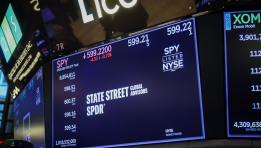
The Energy Select Sector SPDR ETF (XLE) ended the April 20 session with minimal change, reflecting a balanced but
- sagi habasov
- •
- 7 Min Read
- •
- ago 21 hours
SKN | NOBL vs VYMI Which Dividend ETF Offers Better Income and Diversification for Investors
Dividend investing remains a core strategy for investors seeking steady income and relative stability in volatile markets. Exchange traded funds
- ago 21 hours
- •
- 7 Min Read

Dividend investing remains a core strategy for investors seeking steady income and relative stability in volatile markets. Exchange traded funds
- omer bar
- •
- 7 Min Read
- •
- ago 1 day
SKN | Could Silver’s Dual Role in Industry and Inflation Hedging Drive Renewed ETF Demand?
Global silver markets are navigating a complex macroeconomic environment in which monetary policy expectations and industrial demand are pulling in
- ago 1 day
- •
- 7 Min Read

Global silver markets are navigating a complex macroeconomic environment in which monetary policy expectations and industrial demand are pulling in


