


- Ronny Mor
- •
- 8 Min Read
- •
- 17 seconds ago
Key Points
- Apple senior hardware executive John Ternus is increasingly viewed by markets as a potential future CEO candidate
- Succession speculation reflects Apple’s long-term leadership transition considerations under Tim Cook’s tenure
- Investors are assessing continuity risk, innovation strategy, and product pipeline stability amid potential leadership change
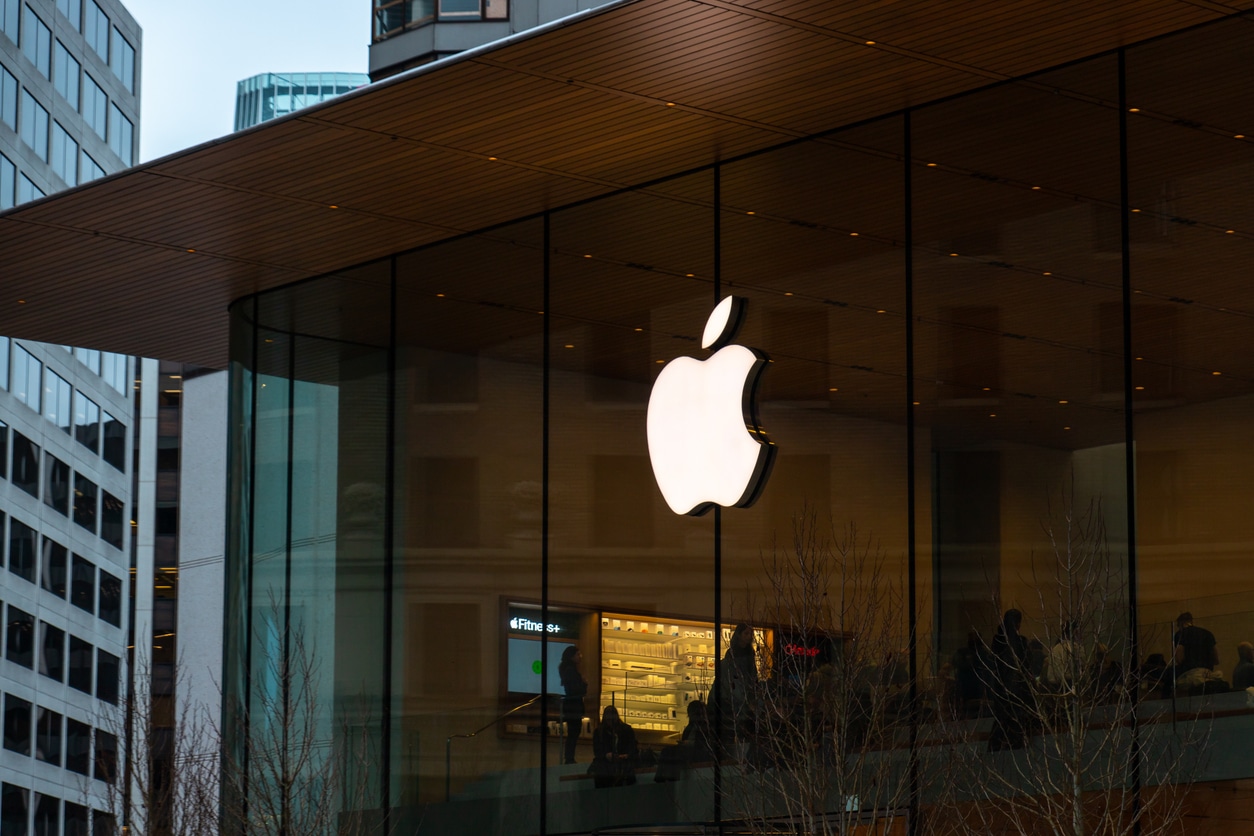
Apple Inc. is once again at the center of leadership speculation as attention turns to senior hardware executive John Ternus, who is increasingly being discussed in financial circles as a potential future successor to CEO Tim Cook. While no official transition has been announced, the discussion reflects broader investor interest in leadership continuity at one of the world’s most valuable technology companies, with implications for long-term strategy, product innovation, and valuation stability.
John Ternus’ Rising Profile Within Apple
John Ternus currently serves as Apple’s Senior Vice President of Hardware Engineering, overseeing key product lines including iPhone hardware, Mac systems, and AirPods development. His role places him at the center of Apple’s physical product ecosystem, which remains a core revenue driver despite the company’s increasing focus on services.
Ternus has been with Apple since 2001, joining the company’s Product Design team and gradually advancing through senior engineering roles. His long tenure aligns with Apple’s historical preference for internal leadership continuity, particularly in the post–Steve Jobs era under Tim Cook.
Industry observers note that Ternus has become more visible in recent product launches, often representing Apple at major hardware announcements. This increased public presence has fueled speculation that he is being positioned for a broader leadership role, although Apple has not provided any formal succession guidance.
Succession Dynamics Under Tim Cook’s Leadership
Tim Cook, who became CEO in 2011, has overseen a significant transformation of Apple into a services-driven ecosystem while maintaining strong hardware performance. Under his leadership, Apple’s market capitalization has expanded substantially, and its revenue base has diversified beyond iPhone dependency.
However, as Cook’s tenure extends beyond a decade, market participants have increasingly begun to assess long-term succession planning. Apple has historically managed leadership transitions internally, with a focus on operational stability rather than disruptive external appointments.
In this context, Ternus represents a continuity candidate rather than a structural shift in strategy. His background in hardware engineering suggests a potential emphasis on product-driven leadership, which could reinforce Apple’s core identity in devices, even as services such as Apple Music, iCloud, and App Store revenue continue to expand.
Market Implications of Leadership Transition Speculation
For investors, speculation around Apple’s future leadership is less about immediate operational change and more about long-term strategic direction. Apple remains a key component of global equity indices and institutional portfolios, meaning any perceived shift in leadership philosophy can influence valuation assumptions.
A transition toward a hardware-centric executive could signal continued emphasis on device innovation, supply chain optimization, and product integration. Conversely, investors also consider whether Apple’s services growth trajectory would remain equally prioritized under a leadership profile rooted in engineering rather than financial or operational management.
From a market perspective, Apple’s scale reduces the likelihood of abrupt strategic shifts. However, even incremental changes in leadership tone or capital allocation priorities can influence sentiment, particularly given the company’s role in technology indices and global risk benchmarks.
Outlook: Continuity, Strategy, and Investor Focus
Looking ahead, Apple is expected to maintain its current leadership structure under Tim Cook in the near term, with no confirmed timeline for succession. However, market attention on figures such as John Ternus is likely to persist as investors evaluate long-term continuity risk and strategic direction.
Key factors to monitor include Apple’s product innovation cycle, particularly in areas such as artificial intelligence integration, spatial computing, and next-generation hardware platforms. These segments are increasingly central to Apple’s growth narrative and could influence perceptions of future leadership suitability.
For global and Israeli investors tracking large-cap technology exposure, Apple’s leadership stability remains a key component of portfolio confidence. While succession speculation does not currently imply disruption, it underscores the importance of management depth in sustaining long-term valuation performance in mega-cap technology companies.
Comparison, examination, and analysis between investment houses
Leave your details, and an expert from our team will get back to you as soon as possible
* This article, in whole or in part, does not contain any promise of investment returns, nor does it constitute professional advice to make investments in any particular field.
To read more about the full disclaimer, click here
- Lior mor
- •
- 6 Min Read
- •
- ago 3 hours
SKN | Meta Platforms Valuation in Focus: Is the Tech Giant Undervalued or Fairly Priced?
Meta Platforms remains a central focus for global investors as questions around its valuation continue to surface. With strong earnings
- ago 3 hours
- •
- 6 Min Read
Meta Platforms remains a central focus for global investors as questions around its valuation continue to surface. With strong earnings

- sagi habasov
- •
- 6 Min Read
- •
- ago 3 hours
SKN | Rivian in 2026: Can the EV Challenger Outperform a Competitive Market?
Rivian Automotive continues to attract investor attention as the electric vehicle sector evolves, raising the question of whether the
- ago 3 hours
- •
- 6 Min Read

Rivian Automotive continues to attract investor attention as the electric vehicle sector evolves, raising the question of whether the

- omer bar
- •
- 8 Min Read
- •
- ago 11 hours
SKN | Can Amazon Deliver a Breakout Quarter as AI Demand and Anthropic Fuel AWS Growth
Amazon is heading into its upcoming earnings report with rising expectations, as artificial intelligence demand and strategic partnerships position the
- ago 11 hours
- •
- 8 Min Read

Amazon is heading into its upcoming earnings report with rising expectations, as artificial intelligence demand and strategic partnerships position the

- Ronny Mor
- •
- 8 Min Read
- •
- ago 23 hours
SKN | Can NEXTDC’s $1.07 Billion Capital Raise Accelerate Sydney’s Data Centre Expansion Boom?
Australia’s NEXTDC is preparing to raise approximately A$1.07 billion to accelerate the expansion of its Sydney data centre footprint, according
- ago 23 hours
- •
- 8 Min Read

Australia’s NEXTDC is preparing to raise approximately A$1.07 billion to accelerate the expansion of its Sydney data centre footprint, according

