


- omer bar
- •
- 7 Min Read
- •
- 10 seconds ago
Key Points
- Several Asia-focused hedge funds reportedly recorded significant losses during the escalation phase of the Iran conflict before markets reversed on truce expectations
- Energy, defense, and macro-driven strategies saw heightened volatility as geopolitical risk surged and then rapidly unwound
- The episode highlights the fragility of positioning in event-driven markets and the speed of sentiment shifts in global risk assets
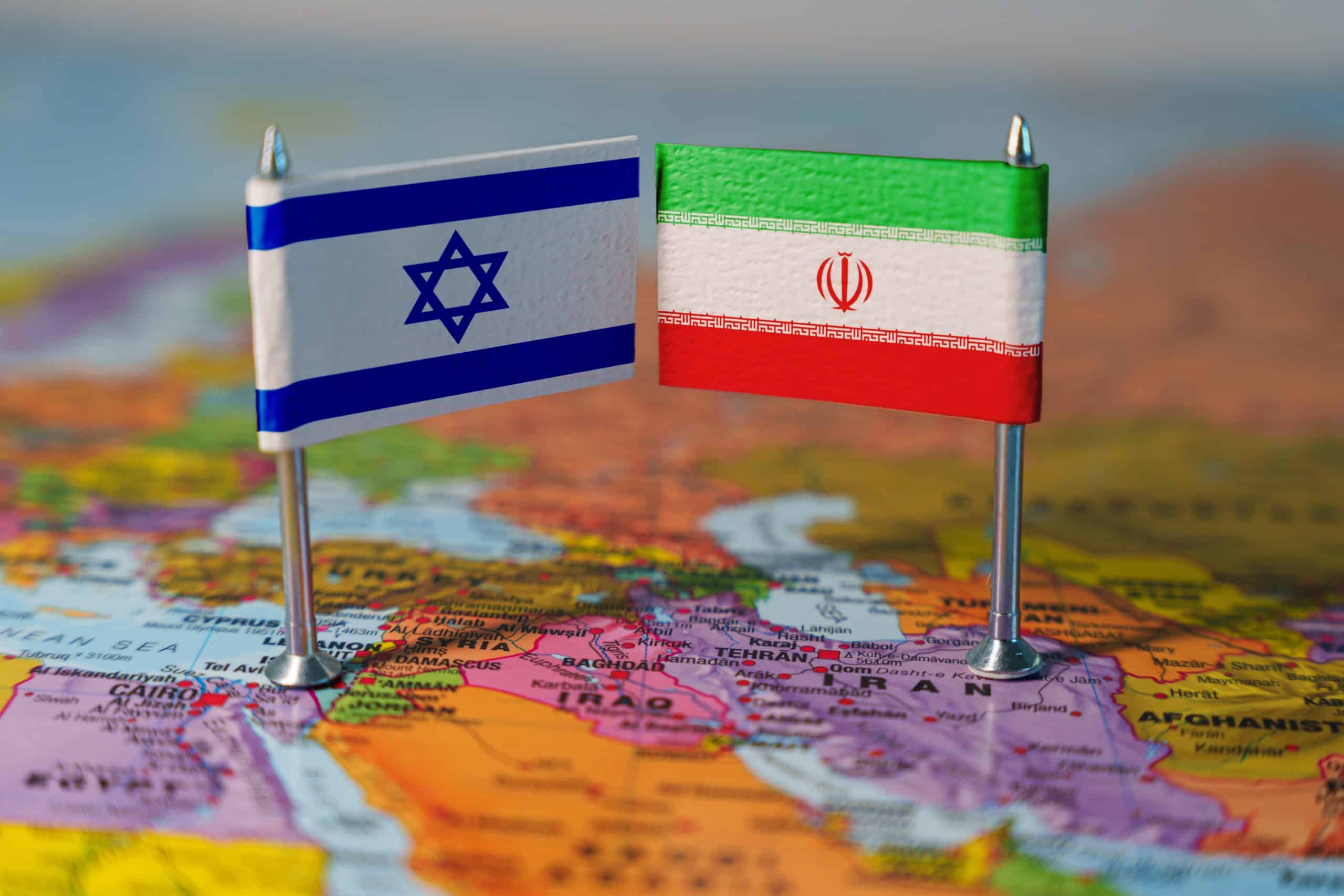
Global hedge fund strategies across Asia were hit by sharp volatility during the escalation phase of the Iran conflict, with reports indicating notable losses across macro and equity-linked strategies before a rapid reversal followed news of a truce framework. The episode underscores how geopolitical shocks continue to dominate short-term price action in global markets, particularly across energy-linked and risk-sensitive assets. For institutional investors, including those monitoring Israeli and Middle Eastern risk exposure, the event highlights how quickly positioning can be disrupted by fast-moving geopolitical developments.
Geopolitical Shock Drives Rapid Strategy Repricing
As tensions escalated during the Iran-related conflict, hedge funds across Asia were forced to rapidly reassess exposure across commodities, equities, and currency trades. Macro strategies with directional positions in oil, defense equities, and risk assets were particularly affected, as crude prices surged on supply disruption fears and risk premiums expanded across global markets.
However, the subsequent announcement of a truce framework triggered a sharp reversal in sentiment, leading to a rapid unwind of defensive positioning. This two-stage price action — escalation followed by de-escalation — created a challenging environment for leveraged strategies, especially those exposed to short-term momentum or volatility spikes.
While precise fund-level performance data remains limited, industry participants indicate that losses in certain Asia-focused macro and event-driven funds were significant during the peak of the escalation phase, before partial recovery in the rebound rally.
Energy Markets and Cross-Asset Volatility Amplify Losses
Energy markets played a central role in amplifying hedge fund performance swings. Oil prices initially surged on concerns over potential supply disruptions linked to regional escalation, particularly around critical shipping routes. This move supported energy-heavy portfolios but simultaneously increased volatility across broader risk assets.
As sentiment reversed following truce signals, crude prices retraced sharply, eroding gains in positions tied to inflation hedging and commodity momentum strategies. Currency markets also reflected rapid repositioning, with safe-haven flows fluctuating between U.S. dollar strength and risk-on reversals across emerging Asian currencies.
For Israeli and global investors, the episode reinforces how energy price volatility remains tightly linked to geopolitical developments, with immediate transmission into inflation expectations, equity sector rotation, and credit risk pricing.
Positioning Risk and Liquidity Constraints in Focus
The speed of the market reversal exposed structural vulnerabilities in highly leveraged or concentrated hedge fund strategies. Event-driven and macro funds that increased exposure during the escalation phase faced heightened drawdowns when liquidity conditions tightened and correlations across asset classes shifted abruptly.
This dynamic highlights an ongoing challenge for institutional investors: balancing short-term geopolitical trading opportunities with the risk of rapid policy or diplomatic shifts that can invalidate directional positioning. In particular, crowded trades in energy and defense sectors proved sensitive to abrupt sentiment changes.
At the same time, volatility dispersion created opportunities for nimble strategies capable of quickly rotating exposure, though execution timing remained critical.
Outlook: Geopolitical Cycles Continue to Drive Market Fragility
Looking ahead, hedge fund performance is likely to remain closely tied to geopolitical headline risk and its impact on energy markets, inflation expectations, and cross-asset correlations. The Iran-related episode demonstrates how quickly market regimes can shift from risk-off positioning to relief-driven rallies.
Investors will be closely watching whether geopolitical tensions re-emerge or whether diplomatic channels stabilize sufficiently to reduce volatility premiums. Key indicators will include oil price stability, currency market behavior, and shifts in institutional positioning across macro strategies.
Ultimately, the incident reinforces the growing importance of geopolitical risk management in hedge fund portfolio construction, particularly in an environment where policy signals and diplomatic developments can rapidly reshape global market direction.
Comparison, examination, and analysis between investment houses
Leave your details, and an expert from our team will get back to you as soon as possible
* This article, in whole or in part, does not contain any promise of investment returns, nor does it constitute professional advice to make investments in any particular field.
To read more about the full disclaimer, click here
- Lior mor
- •
- 7 Min Read
- •
- ago 12 minutes
SKN | National Australia Bank Flags $503 Million Impairment Charge as Middle East Volatility Pressures Credit Outlook
National Australia Bank has indicated a significant A$503 million impairment charge tied to elevated volatility in the Middle East, underscoring
- ago 12 minutes
- •
- 7 Min Read
National Australia Bank has indicated a significant A$503 million impairment charge tied to elevated volatility in the Middle East, underscoring

- orshu
- •
- 7 Min Read
- •
- ago 2 hours
SKN | Consumer Spending Strength and Inflation Data to Anchor Volatile Late-April Markets
The global financial markets enter the final full week of April 2026 with a dual focus on consolidating recent gains
- ago 2 hours
- •
- 7 Min Read

The global financial markets enter the final full week of April 2026 with a dual focus on consolidating recent gains

- sagi habasov
- •
- 8 Min Read
- •
- ago 4 hours
SKN | Asian Markets Open Higher on April 20 as Japan and Korea Lead Gains While China and Australia Lag
Asian equity markets opened Monday, April 20 with a broadly positive tone across key regional indices during the morning trading
- ago 4 hours
- •
- 8 Min Read

Asian equity markets opened Monday, April 20 with a broadly positive tone across key regional indices during the morning trading
- Lior mor
- •
- 6 Min Read
- •
- ago 7 hours
SKN | Trump Claims US Seized Iranian Vessel: What It Signals for Oil Markets and Global Risk Sentiment
Former U.S. President Donald Trump stated that the United States had seized an Iranian-linked ship and damaged its engine
- ago 7 hours
- •
- 6 Min Read
Former U.S. President Donald Trump stated that the United States had seized an Iranian-linked ship and damaged its engine

