


- orshu
- •
- 7 Min Read
- •
- 18 seconds ago
Key Points
- Muted reaction to new Rolex models highlights shifting expectations rather than weakening demand.
- Structural supply scarcity and brand power continue to support pricing strength and resale value.
- Luxury sector resilience underscores Rolex’s position in a “can’t miss” global demand environment.
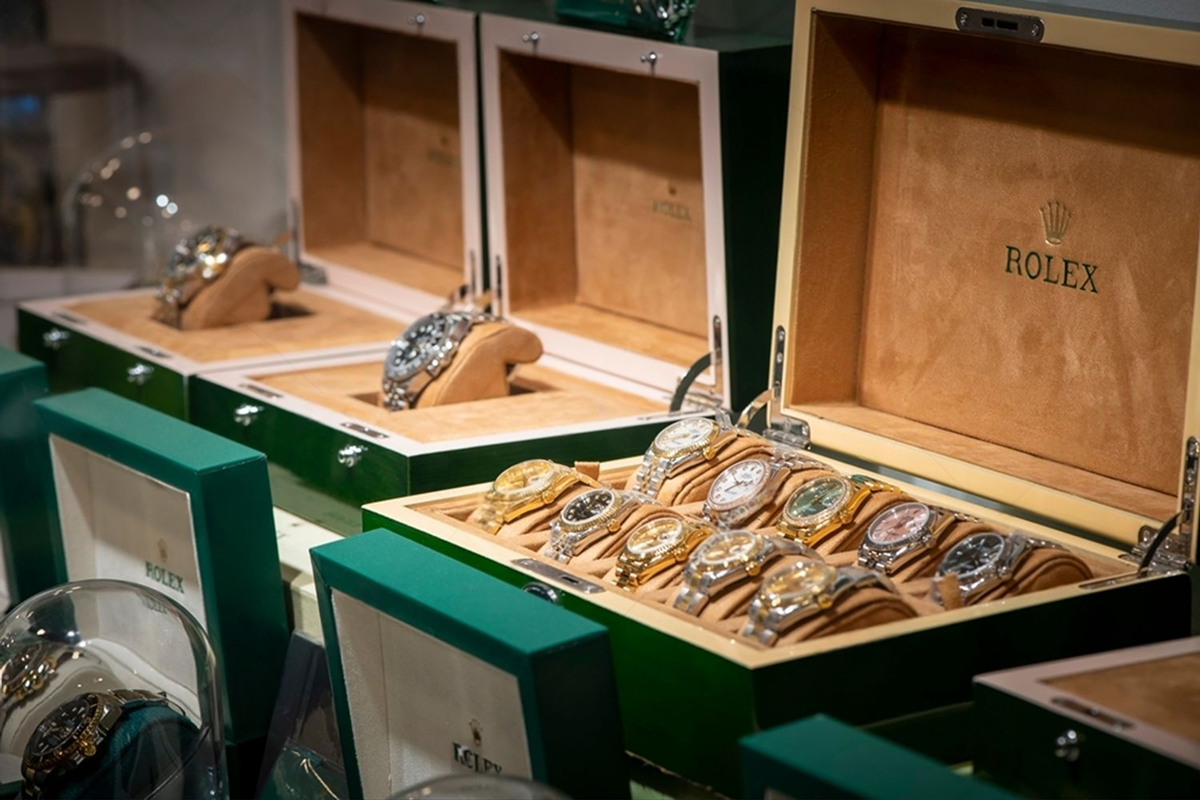
Rolex may have failed to excite enthusiasts with its latest watch releases, but market dynamics suggest that product reception is only a small part of the story. In a global luxury environment defined by scarcity, brand equity, and persistent demand, the Swiss watchmaker continues to operate from a position of exceptional strength.
Muted Product Reaction vs. Strong Demand Fundamentals
The latest round of Rolex releases has been described by some collectors as incremental rather than innovative, with limited design changes and few headline-grabbing complications. In a typical consumer market, such a reaction might signal weakening demand or brand fatigue.
However, Rolex operates under a fundamentally different model. Demand consistently exceeds supply, with waiting lists for popular models stretching months or even years. This dynamic reduces the importance of any single product cycle, as buyers are often competing for availability rather than evaluating alternatives.
From an investment perspective, this highlights a key distinction: Rolex’s value proposition is not driven by short-term product excitement but by long-term brand desirability and controlled distribution.
Scarcity, Pricing Power, and Secondary Market Strength
One of Rolex’s most significant competitive advantages lies in its intentional scarcity. By tightly controlling production volumes, the company maintains exclusivity, which in turn supports both primary pricing and secondary market valuations.
Even when new releases fail to generate enthusiasm, existing models often retain or increase their value in resale markets. This phenomenon reinforces the perception of Rolex watches as not only luxury goods but also stores of value in uncertain economic conditions.
In a broader macro context, this aligns with trends seen in alternative assets, where high-net-worth individuals allocate capital toward tangible assets such as luxury watches, art, and collectibles. For Israeli and global investors alike, this reflects a diversification strategy beyond traditional equities and bonds.
Luxury Sector Resilience in a Changing Macro Environment
The global luxury sector has demonstrated notable resilience despite economic headwinds, including inflation pressures and shifting consumer sentiment. High-income consumers, who form the core customer base for brands like Rolex, tend to be less sensitive to short-term economic fluctuations.
This resilience has been evident across major luxury groups, where revenue growth has remained relatively stable even as broader markets experience volatility. Rolex, as a privately held entity, does not disclose detailed financials, but industry estimates consistently place it among the most dominant players in the Swiss watch industry.
Additionally, currency dynamics and global tourism flows continue to influence purchasing patterns. Markets such as the Middle East and Asia remain critical growth drivers, while European hubs benefit from tourism-linked demand. Israel, with its growing base of affluent consumers, also represents a relevant market for luxury timepieces.
Looking ahead, the key question is not whether Rolex can generate excitement with each release, but whether it can maintain its balance between exclusivity and accessibility. Investors and market observers will likely monitor production levels, secondary market pricing trends, and broader luxury sector performance as indicators of sustained strength. While product innovation may fluctuate, Rolex’s positioning within a structurally supply-constrained and demand-driven market suggests that its long-term trajectory remains intact, even in the absence of headline-grabbing releases.
Comparison, examination, and analysis between investment houses
Leave your details, and an expert from our team will get back to you as soon as possible
* This article, in whole or in part, does not contain any promise of investment returns, nor does it constitute professional advice to make investments in any particular field.
To read more about the full disclaimer, click here
- Lior mor
- •
- 7 Min Read
- •
- ago 5 hours
SKN | Realty Income’s Monthly Dividend Model: A Rare Income Engine Built for Long-Term Stability
Realty Income Corporation, widely known as “The Monthly Dividend Company,” has built its reputation on delivering consistent income through
- ago 5 hours
- •
- 7 Min Read

Realty Income Corporation, widely known as “The Monthly Dividend Company,” has built its reputation on delivering consistent income through

- orshu
- •
- 6 Min Read
- •
- ago 2 days
SKN | Markets Surge on April 17, 2026 as S&P 500 Hits New High and Small Caps Lead Rally
U.S. equity markets closed sharply higher on Friday, April 17, 2026, extending the bullish momentum as investors continued to embrace
- ago 2 days
- •
- 6 Min Read

U.S. equity markets closed sharply higher on Friday, April 17, 2026, extending the bullish momentum as investors continued to embrace
- orshu
- •
- 6 Min Read
- •
- ago 2 days
SKN | Dow Jones Climbs Sharply as Industrial Strength Fuels Market Momentum
The Dow Jones Industrial Average (DJI) advanced significantly on April 17, rising to 49,426.64 as markets embraced a risk-on
- ago 2 days
- •
- 6 Min Read

The Dow Jones Industrial Average (DJI) advanced significantly on April 17, rising to 49,426.64 as markets embraced a risk-on

- omer bar
- •
- 7 Min Read
- •
- ago 2 days
SKN | Why Did the Dow Surge 1000 Points While Oil and Netflix Stocks Tumbled
Wall Street delivered a powerful rally as the Dow Jones Industrial Average soared 1000 points, driven by a sharp shift
- ago 2 days
- •
- 7 Min Read
Wall Street delivered a powerful rally as the Dow Jones Industrial Average soared 1000 points, driven by a sharp shift

