


- Ronny Mor
- •
- 6 Min Read
- •
- 8 seconds ago
Key Points
- Lucid Group’s stock decline reflects persistent concerns over production scale, cash burn, and demand visibility.
- High operating costs and limited delivery growth have weighed on investor confidence despite strong technology positioning.
- Capital requirements and competitive EV landscape remain critical factors shaping the company’s outlook.
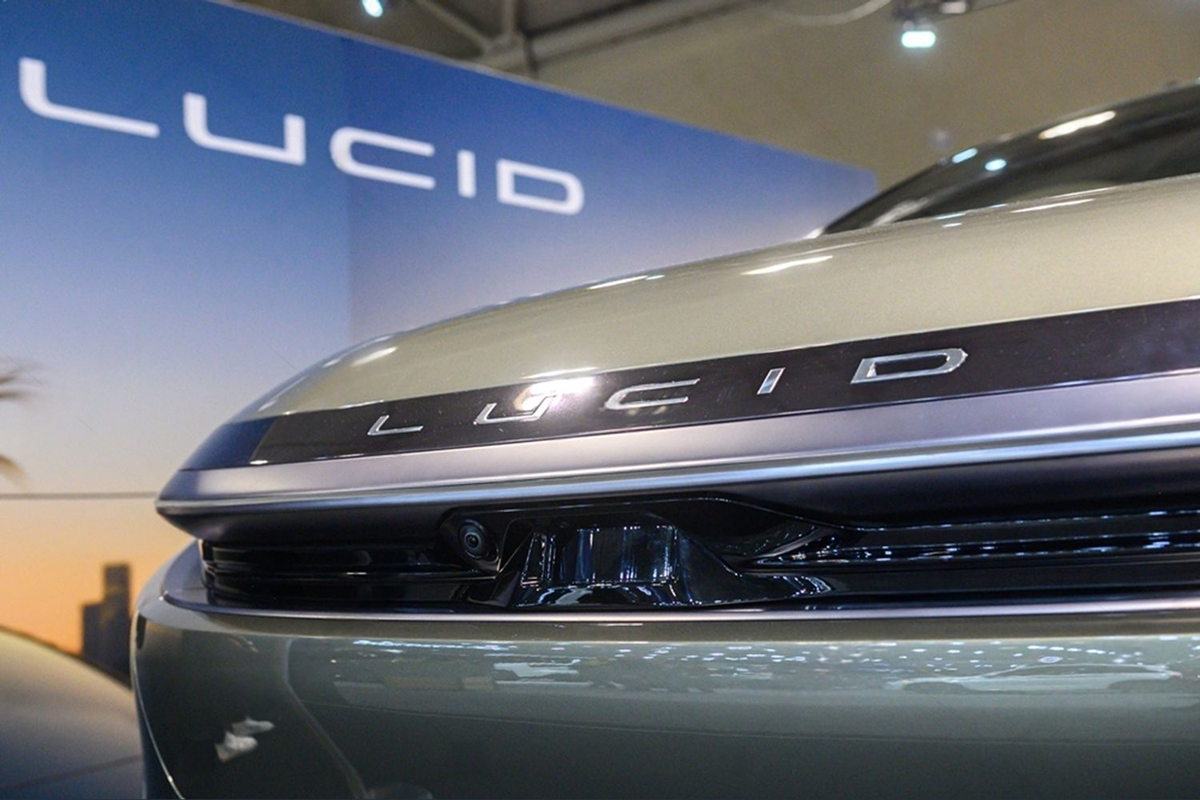
Lucid Group has seen its share price fall by approximately 67% over the past 12 months, underscoring mounting skepticism around its ability to scale production and achieve sustainable profitability. The decline comes amid a broader reassessment of electric vehicle (EV) startups as capital-intensive growth models face tighter financial conditions and intensifying competition.
Production Challenges and Delivery Constraints
A central factor behind Lucid’s stock underperformance is its ongoing struggle to scale vehicle production and deliveries. While the company has established a reputation for high-performance luxury EVs, actual delivery volumes have remained below earlier expectations, raising concerns about execution.
Supply chain disruptions, manufacturing ramp complexities, and demand variability have all contributed to inconsistent output. In a sector where scale is critical to cost efficiency, these constraints have limited Lucid’s ability to improve margins and meet investor growth projections.
Compared with established EV manufacturers and newer high-volume players, Lucid’s relatively low production base places it at a disadvantage in achieving economies of scale, which are essential for long-term competitiveness.
Financial Pressure and Cash Burn Concerns
Lucid’s financial profile has also been a key driver of the stock’s decline. The company continues to operate with significant negative free cash flow, reflecting heavy investments in manufacturing capacity, research and development, and market expansion.
While such spending is typical for early-stage EV companies, the current macro environment—characterized by higher interest rates and tighter liquidity—has increased investor sensitivity to cash burn. As a result, companies without clear timelines to profitability have faced valuation compression.
Lucid’s reliance on external funding, including support from its largest shareholder, Saudi Arabia’s Public Investment Fund, provides a degree of financial backing. However, ongoing capital requirements remain a key consideration for investors assessing dilution risk and long-term sustainability.
Competitive EV Landscape and Demand Dynamics
The broader electric vehicle market has become increasingly competitive, with both legacy automakers and new entrants accelerating their EV strategies. Companies such as Tesla, along with global manufacturers in China and Europe, have expanded their product offerings across multiple price segments, intensifying competition.
Lucid’s focus on the premium segment differentiates its brand but also narrows its addressable market. In periods of economic uncertainty, demand for luxury vehicles can become more volatile, further complicating growth trajectories.
From a market perspective, the decline in Lucid’s stock mirrors a broader rotation away from high-growth, capital-intensive companies toward firms with more predictable earnings. This trend has influenced major indices and investor sentiment globally, including among Israeli investors with exposure to U.S. technology and mobility sectors.
Looking ahead, Lucid’s ability to stabilize its production growth, manage capital efficiency, and expand its customer base will be critical in shaping its recovery trajectory. Market participants are likely to monitor delivery figures, cost reductions, and any progress toward profitability. While the company retains strong technological credentials, its near-term outlook will depend on execution discipline and the evolving dynamics of the global EV market.
Comparison, examination, and analysis between investment houses
Leave your details, and an expert from our team will get back to you as soon as possible
* This article, in whole or in part, does not contain any promise of investment returns, nor does it constitute professional advice to make investments in any particular field.
To read more about the full disclaimer, click here
- Arik Arkadi Sluzki
- •
- 7 Min Read
- •
- ago 2 hours
SKN | Intel Adds Over $137 Billion in Market Value: Is This a Sustainable Turnaround or a Short-Term Surge?
Intel Corporation has added more than $137 billion in market value since March 30, marking one of its most
- ago 2 hours
- •
- 7 Min Read

Intel Corporation has added more than $137 billion in market value since March 30, marking one of its most

- sagi habasov
- •
- 7 Min Read
- •
- ago 4 hours
SKN | Can Nvidia Reach a $6 Trillion Valuation Within a Year? Wall Street Signals a Measured Outlook
Nvidia has emerged as the defining stock of the artificial intelligence era, with its market capitalization surging on the
- ago 4 hours
- •
- 7 Min Read

Nvidia has emerged as the defining stock of the artificial intelligence era, with its market capitalization surging on the

- orshu
- •
- 6 Min Read
- •
- ago 1 day
SKN | Nuclear Stocks Surge: What’s Driving Oklo and the Sector’s Explosive Rally?
Oklo Inc. and other nuclear energy stocks recorded significant gains this week, reflecting a surge in investor interest tied
- ago 1 day
- •
- 6 Min Read

Oklo Inc. and other nuclear energy stocks recorded significant gains this week, reflecting a surge in investor interest tied

- Ronny Mor
- •
- 6 Min Read
- •
- ago 1 day
SKN | Psychedelics Policy Shift: Trump Order Signals New Direction for FDA Regulation and Biotech Markets
A new executive order signed by Donald Trump aimed at easing restrictions on psychedelic substances has introduced a significant
- ago 1 day
- •
- 6 Min Read

A new executive order signed by Donald Trump aimed at easing restrictions on psychedelic substances has introduced a significant

