


- Lior mor
- •
- 6 Min Read
- •
- 9 seconds ago
Key Points
- The TA-35 Index concluded the trading week at 4,393.15, surging 1.94% in the final session to secure a fractional 5-day net expansion of 0.21%.
- This late-week upward trajectory highlights resilient institutional demand for Israeli large-caps, though near-term momentum requires probability-testing against regional risks.
- For global and domestic asset allocators, this structural phase necessitates a rigorous review of broad market exposure, balancing a staggering 69.37% one-year gain against persistent currency volatility and elevated geopolitical risk premiums.
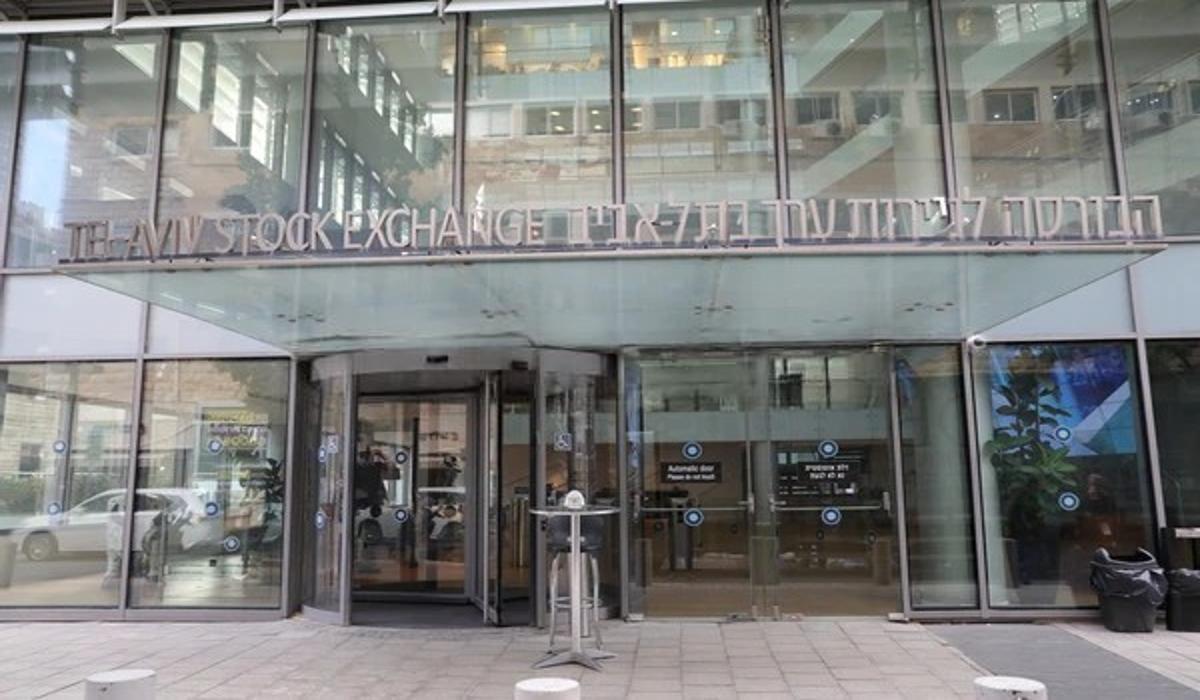
The TA-35 Index navigated a highly volatile trading week, ultimately surging 1.94% in the final session to settle at 4,393.15 and secure a fractional 5-day net gain of 0.21%. This dramatic late-week reversal within Israel’s premier capital market suggests resilient institutional demand for domestic blue-chips, as allocators actively weigh robust corporate earnings against a complex backdrop of global monetary tightness and elevated regional security concerns.
Deciphering the Late-Week Rebound and Technical Breadth
Trading activity across the Tel Aviv large-cap sector was defined by an early-week distribution phase that abruptly pivoted into a sustained accumulation pattern. Chart data reveals a significant mid-week drawdown probing support levels below 4,300, which subsequently triggered a robust buying response. The index closed at the absolute peak of its daily range (4,324.01 – 4,393.15) on a trading volume of approximately 34.79 million shares, tracking slightly below the three-month average of 37.48 million. From a technical perspective, this V-shaped weekly recovery indicates that institutional participants are actively defending key support thresholds, successfully absorbing selling pressure despite broader macroeconomic uncertainties.
Macroeconomic Headwinds and Structural Vulnerabilities
While the TA-35 boasts a staggering 1-year expansion of 69.37%, this historical outperformance must be rigorously stress-tested against emerging structural downside risks. The performance of Israeli multinational and domestic large-cap equities remains intrinsically linked to global export demand and the Bank of Israel’s (BoI) interest rate trajectory. These equities are vulnerable to valuation compression if the central bank is forced to maintain a restrictive monetary stance longer than anticipated to combat sticky localized inflation. Furthermore, fluctuating sovereign debt issuance to fund ongoing security operations and potential corporate margin degradation represent significant vulnerabilities that could catalyze sudden mean-reversion.
Strategic Portfolio Implications and Regional Sensitivities
For globally diversified investors navigating the Tel Aviv financial ecosystem, managing exposure to the TA-35 requires a highly tactical, risk-adjusted approach. The index offers a balanced blend of robust financial, real estate, and technology components, traditionally serving as a resilient proxy for the domestic economy. However, institutional allocators must balance these potential portfolio benefits against severely elevated regional geopolitical premiums and persistent cross-border currency volatility. Strategic exposure necessitates disciplined risk modeling, as a sustained weakening of the shekel can trigger foreign capital outflows, increase imported production costs, and squeeze forward-looking profitability metrics across multiple sectors.
Looking forward, the immediate structural trajectory centers on whether the TA-35 can successfully consolidate above the 4,350 technical support floor to establish a durable new baseline, or if it will face accelerated distribution as it approaches its 52-week high of 4,628.97. Market participants must remain highly attentive to upcoming Israeli inflation prints, Bank of Israel forward guidance, and evolving geopolitical developments, which are likely to serve as the primary catalysts for the broad market’s next major directional move. The broader macroeconomic landscape presents a highly conditional outlook; while current momentum demonstrates late-week institutional support, asset allocators must maintain a rigorous, probability-based approach, actively managing downside-risk exposure and monitoring sovereign fiscal vulnerabilities to optimize long-term portfolio stability.
Comparison, examination, and analysis between investment houses
Leave your details, and an expert from our team will get back to you as soon as possible
* This article, in whole or in part, does not contain any promise of investment returns, nor does it constitute professional advice to make investments in any particular field.
To read more about the full disclaimer, click here
- Arik Arkadi Sluzki
- •
- 6 Min Read
- •
- ago 1 hour
SKN | TA-125 Edges Up 0.17% Weekly: Is the Broad Israeli Benchmark Finding Equilibrium Amid Macroeconomic Crosscurrents?
The TA-125 Index navigated a highly volatile trading week, ultimately settling at 4,325.86 to secure a fractional 5-day net
- ago 1 hour
- •
- 6 Min Read

The TA-125 Index navigated a highly volatile trading week, ultimately settling at 4,325.86 to secure a fractional 5-day net

- sagi habasov
- •
- 6 Min Read
- •
- ago 2 hours
SKN | TA-RealEstate Retracts 1.39% Weekly: Are Israeli Property Equities Reassessing Yield Trajectories Amid Persistent Headwinds?
The TA-RealEstate Index experienced a measured contraction this trading week, closing at 1,559.91 to register a structural weekly decline
- ago 2 hours
- •
- 6 Min Read

The TA-RealEstate Index experienced a measured contraction this trading week, closing at 1,559.91 to register a structural weekly decline

- orshu
- •
- 7 Min Read
- •
- ago 2 hours
SKN | TA Banks 5 Index Surges 4.81% Weekly: Are Israeli Financials Pricing in a Resilient Macroeconomic Environment?
The TA Banks 5 Index navigated a definitively bullish trading week, settling at 8,622.80 to secure a structural 5-day
- ago 2 hours
- •
- 7 Min Read

The TA Banks 5 Index navigated a definitively bullish trading week, settling at 8,622.80 to secure a structural 5-day

- Ronny Mor
- •
- 6 Min Read
- •
- ago 3 hours
SKN | TA-SME60 Contracts 1.57% Weekly: Are Israeli Mid-Caps Pricing in Prolonged Domestic Friction?
The TA-SME60 Index navigated a defensive trading week, ultimately settling at 1,422.46 to record a structural 5-day net decline of
- ago 3 hours
- •
- 6 Min Read

The TA-SME60 Index navigated a defensive trading week, ultimately settling at 1,422.46 to record a structural 5-day net decline of


