





- omer bar
- •
- 7 Min Read
- •
- 17 hours ago
Key Points
- Crude oil prices edged higher as investors evaluated whether the halt in direct Iran-Israel attacks would be sustained.
- Energy markets remain focused on potential risks to Middle East supply routes, particularly shipping flows through the Strait of Hormuz.
- Geopolitical uncertainty continues to support oil prices even as broader supply-demand fundamentals remain relatively balanced.
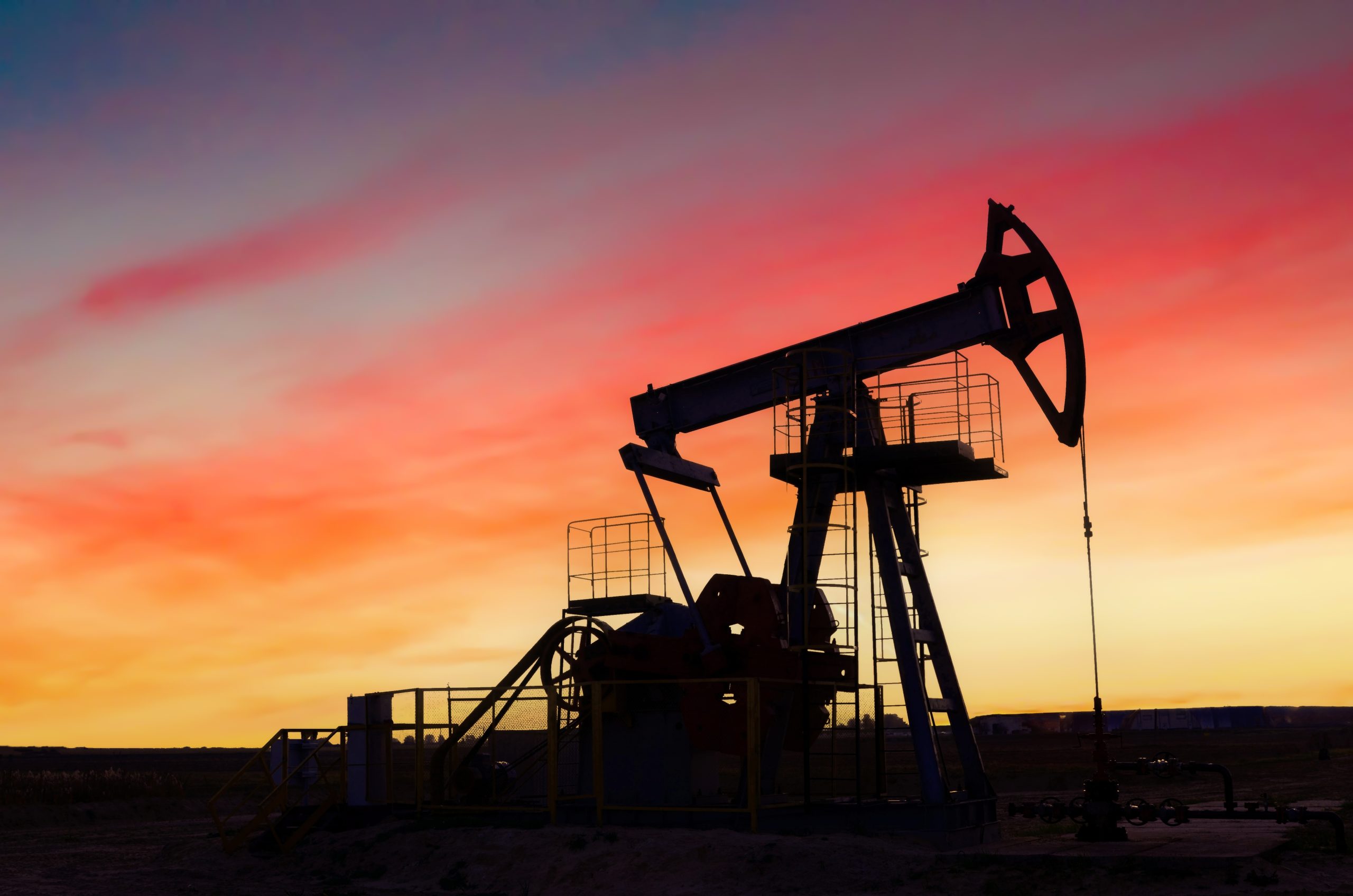
Oil prices moved modestly higher as global investors sought greater clarity following the apparent pause in direct military exchanges between Iran and Israel. While the immediate threat of escalation has eased, energy markets continue to price in a geopolitical risk premium, reflecting uncertainty over whether regional tensions have truly subsided or merely entered a temporary lull. For investors in Israel and around the world, the situation highlights the continued sensitivity of commodity markets to developments in the Middle East.
Geopolitical Risk Premium Remains Embedded in Oil Markets
The recent stabilization in hostilities has reduced fears of an immediate disruption to global energy supplies, but traders remain cautious. Historically, even temporary military confrontations involving major regional powers have led to increased volatility in crude markets because of the Middle East’s central role in global oil production and transportation.
Although no significant damage to key oil infrastructure has been reported, investors are reluctant to fully remove the geopolitical premium that entered prices during the escalation. Markets recognize that tensions between Iran and Israel remain unresolved, and any renewed confrontation could quickly alter supply expectations.
This dynamic has prevented oil prices from retreating sharply despite the reduction in immediate military activity.
Focus Shifts Back to Supply Routes and Global Demand
A major concern for energy markets remains the security of strategic shipping corridors. The Strait of Hormuz continues to be one of the most closely monitored chokepoints in global trade, with a substantial share of the world’s seaborne crude oil exports passing through the route.
Even without direct supply disruptions, heightened security concerns can increase insurance costs, transportation expenses, and market volatility. Energy traders are therefore monitoring regional naval activity and diplomatic developments as closely as traditional supply-demand indicators.
At the same time, broader economic conditions continue to influence pricing. Demand expectations from major consumers such as China, the United States, and Europe remain important factors. Any signs of stronger industrial activity or economic growth could amplify upward pressure on crude prices if geopolitical risks remain elevated.
Investor Positioning Reflects Cautious Optimism
Financial markets have responded with a more measured tone than during the peak of the confrontation. Equity markets have generally stabilized, while commodity investors continue to maintain defensive positioning within energy-related assets.
The current environment reflects a balance between two competing narratives. On one side is the possibility that diplomatic efforts reduce regional tensions and allow oil prices to normalize. On the other is the risk that underlying geopolitical disputes remain unresolved, creating the potential for renewed volatility.
Institutional investors appear to be avoiding aggressive directional bets until greater clarity emerges regarding both regional security conditions and the broader global economic outlook.
Outlook: Will Stability Hold or Will Volatility Return?
Looking ahead, oil market direction will largely depend on whether the current pause in Iran-Israel hostilities develops into a more durable de-escalation. Investors will closely monitor diplomatic initiatives, regional military activity, and any developments affecting shipping security across the Gulf region.
Additional factors to watch include OPEC+ production decisions, global inventory levels, and economic growth trends in major consuming nations. While a sustained reduction in geopolitical tensions could ease price pressures, any renewed escalation could quickly restore a significant risk premium to crude markets.
For global investors, including those in Israel, the current environment underscores a key reality of energy investing: geopolitical developments can rapidly reshape market expectations, often overriding traditional supply-and-demand fundamentals in the short term.
Comparison, examination, and analysis between investment houses
Leave your details, and an expert from our team will get back to you as soon as possible
* This article, in whole or in part, does not contain any promise of investment returns, nor does it constitute professional advice to make investments in any particular field.
To read more about the full disclaimer, click here
- omer bar
- •
- 9 Min Read
- •
- ago 4 hours
SKN | Are Middle East Supply Disruptions Redrawing the Global Metals Trade Map?
The shifting dynamics of global supply chains continue to dictate a new reality in the financial markets, where geopolitical fluctuations
- ago 4 hours
- •
- 9 Min Read

The shifting dynamics of global supply chains continue to dictate a new reality in the financial markets, where geopolitical fluctuations

- Arik Arkadi Sluzki
- •
- 6 Min Read
- •
- ago 6 hours
SKN | Gold Could Fall Another 20% by September, Citi Warns as Market Conditions Shift
Gold markets are facing renewed scrutiny after analysts at Citi suggested the precious metal could experience a significant correction
- ago 6 hours
- •
- 6 Min Read

Gold markets are facing renewed scrutiny after analysts at Citi suggested the precious metal could experience a significant correction

- sagi habasov
- •
- 7 Min Read
- •
- ago 16 hours
SKN | Europe’s Energy Shift Accelerates as Uniper Eyes Canadian LNG Partnership With Ksi Lisims
European energy markets are once again in focus as Uniper evaluates a potential liquefied natural gas (LNG) supply deal linked
- ago 16 hours
- •
- 7 Min Read
European energy markets are once again in focus as Uniper evaluates a potential liquefied natural gas (LNG) supply deal linked

- Ronny Mor
- •
- 7 Min Read
- •
- ago 20 hours
SKN | Gold Holds Steady as Markets Assess U.S.-Iran Diplomatic Efforts and Middle East Tensions
Gold prices steadied after recent volatility as financial markets assessed reports of diplomatic efforts involving the United States and
- ago 20 hours
- •
- 7 Min Read

Gold prices steadied after recent volatility as financial markets assessed reports of diplomatic efforts involving the United States and


