


- Lior mor
- •
- 6 Min Read
- •
- 3 weeks ago
Key Points
- China rolled out its new “K‑visa,” aimed at foreign STEM professionals, offering entry without employer sponsorship—directly challenging the U.S. H‑1B scheme.
- With the U.S. imposing tougher immigration rules and higher fees for skilled workers, China is seizing a window of opportunity to attract talent amid its push for technology leadership.
- Despite the launch, obstacles such as language barriers, permanent residency pathways, and domestic job competition in China may limit the visa’s practical appeal in the near term.
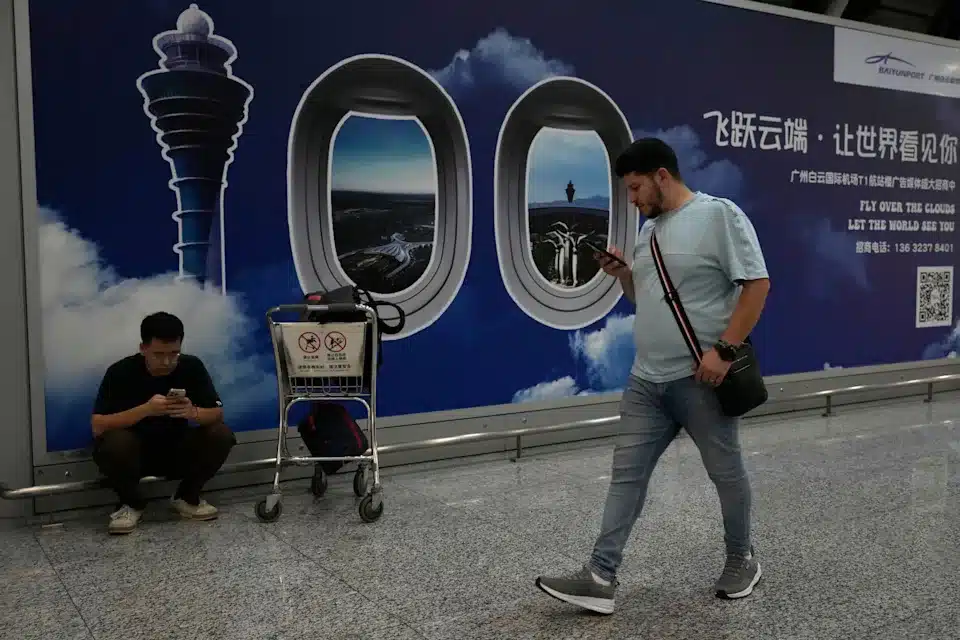
China’s decision to launch the K‑visa for global tech talent comes at a strategic moment when the U.S. is tightening immigration for skilled workers. Against this backdrop, Beijing’s move reflects broader ambitions to bolster innovation, accelerate advancement in AI, semiconductors, and robotics, and reshape its role in global technology talent flows.
Strategic Context and Market Significance
China’s K‑visa, formally introduced October 1, 2025, targets foreign graduates and young professionals in science, technology, engineering, and mathematics (STEM). Unlike existing R‑visas, which typically require employer sponsorship, the K‑visa allows applicants to work, study, or start a business without a prior job offer. The timing is key: the U.S. recently raised fees for H‑1B visas and tightened eligibility, leaving a gap in global talent mobility. As tech firms and investment funds monitor global innovation hubs, this shift could influence where developers, scientists, and engineers choose to relocate. For Israeli and global investors, the policy may signal increased competition for talent, implications for global tech supply chains, and potential reorientation of innovation ecosystems.
Implications for Global Tech and Investor Landscapes
For technology companies and investors alike, the K‑visa signals China’s intent to strengthen its domestic skill base and reduce reliance on repatriated talent alone. By opening recruitment to early‑career global STEM professionals, Beijing aims to accelerate its path toward high-value sectors. That said, risks remain: China still issues far fewer work or residency permits to foreigners compared with the U.S., and English-language work culture is less prominent. From an asset-allocation perspective, venture capital and private-equity investors may reassess geographic diversification of tech ecosystems, factoring in changing talent migration trends as part of global innovation risk and opportunity dynamics.
Challenges, Sentiment and Strategic Behaviour
While the K‑visa has generated interest—consultancies report application enquiries up more than 30 % since August in regions such as India and Southeast Asia—domestic backlash is emerging. Some young Chinese jobseekers fear that incoming foreigners could intensify competition in an already weak youth labor market, with unemployment rates near 18 % for ages 16‑24 (excluding students). For global tech talent, the allure of China must be weighed against cultural, regulatory, and language barriers; many may still favour U.S. or European markets for long-term career growth. From an institutional investor viewpoint, shifts in talent flows can alter cluster dynamics, startup valuations, and regional tech growth trajectories—raising strategic questions about where innovation concentration may next migrate.
Looking ahead, key variables to monitor include how many K‑visas are granted, how quickly foreign recruits impact China’s domestic R&D output, and how the U.S. responds with further immigration policy adjustments. For investors in technology, infrastructure, and global talent platforms, these developments may herald structural shifts in innovation geography and competition. At the same time, risks persist—if the policy fails to translate into meaningful integration or triggers domestic pushback, its impact may be muted rather than transformative.
Comparison, examination, and analysis between investment houses
Leave your details, and an expert from our team will get back to you as soon as possible
* This article, in whole or in part, does not contain any promise of investment returns, nor does it constitute professional advice to make investments in any particular field.
To read more about the full disclaimer, click here
- Lior mor
- •
- 7 Min Read
- •
- ago 2 hours
SKN | Glīd Wins Startup Battlefield 2025 With AI-Driven Tools to Make Logistics Simpler, Safer, and Smarter
Glīd, a logistics-tech startup, captured the top prize at Startup Battlefield 2025 with a suite of AI-driven solutions designed
- ago 2 hours
- •
- 7 Min Read

Glīd, a logistics-tech startup, captured the top prize at Startup Battlefield 2025 with a suite of AI-driven solutions designed

- Ronny Mor
- •
- 7 Min Read
- •
- ago 2 hours
SKN | Nexperia Calls on Chinese Subsidiaries to Help Stabilize Its Global Supply Chain
Nexperia, the Dutch semiconductor company owned by China’s Wingtech Technology, has urged its Chinese subsidiaries to step up efforts
- ago 2 hours
- •
- 7 Min Read

Nexperia, the Dutch semiconductor company owned by China’s Wingtech Technology, has urged its Chinese subsidiaries to step up efforts
- Lior mor
- •
- 6 Min Read
- •
- ago 4 hours
SKN | Airbus Warns Europe’s ‘Digital Battlefield’ Will Take a Decade to Build
Airbus CEO Guillaume Faury said Europe is still a decade away from building a fully integrated “digital battlefield”—a next-generation
- ago 4 hours
- •
- 6 Min Read

Airbus CEO Guillaume Faury said Europe is still a decade away from building a fully integrated “digital battlefield”—a next-generation
- Ronny Mor
- •
- 7 Min Read
- •
- ago 4 hours
SKN | Apple Challenges India’s Antitrust Regulator Over Potential $38 Billion Fine
Apple is contesting a major antitrust case in India, where regulators have accused the company of abusing its market
- ago 4 hours
- •
- 7 Min Read

Apple is contesting a major antitrust case in India, where regulators have accused the company of abusing its market

