






- Lior mor
- •
- 7 Min Read
- •
- 51 seconds ago
Key Points
- Elon Musk signals that upcoming AI satellite systems will rely primarily on existing technologies rather than breakthrough hardware innovation
- The approach could reshape investor expectations ahead of a potential SpaceX IPO, emphasizing scalability and cost efficiency
- The strategy highlights growing convergence between satellite infrastructure, AI deployment, and terrestrial compute ecosystems
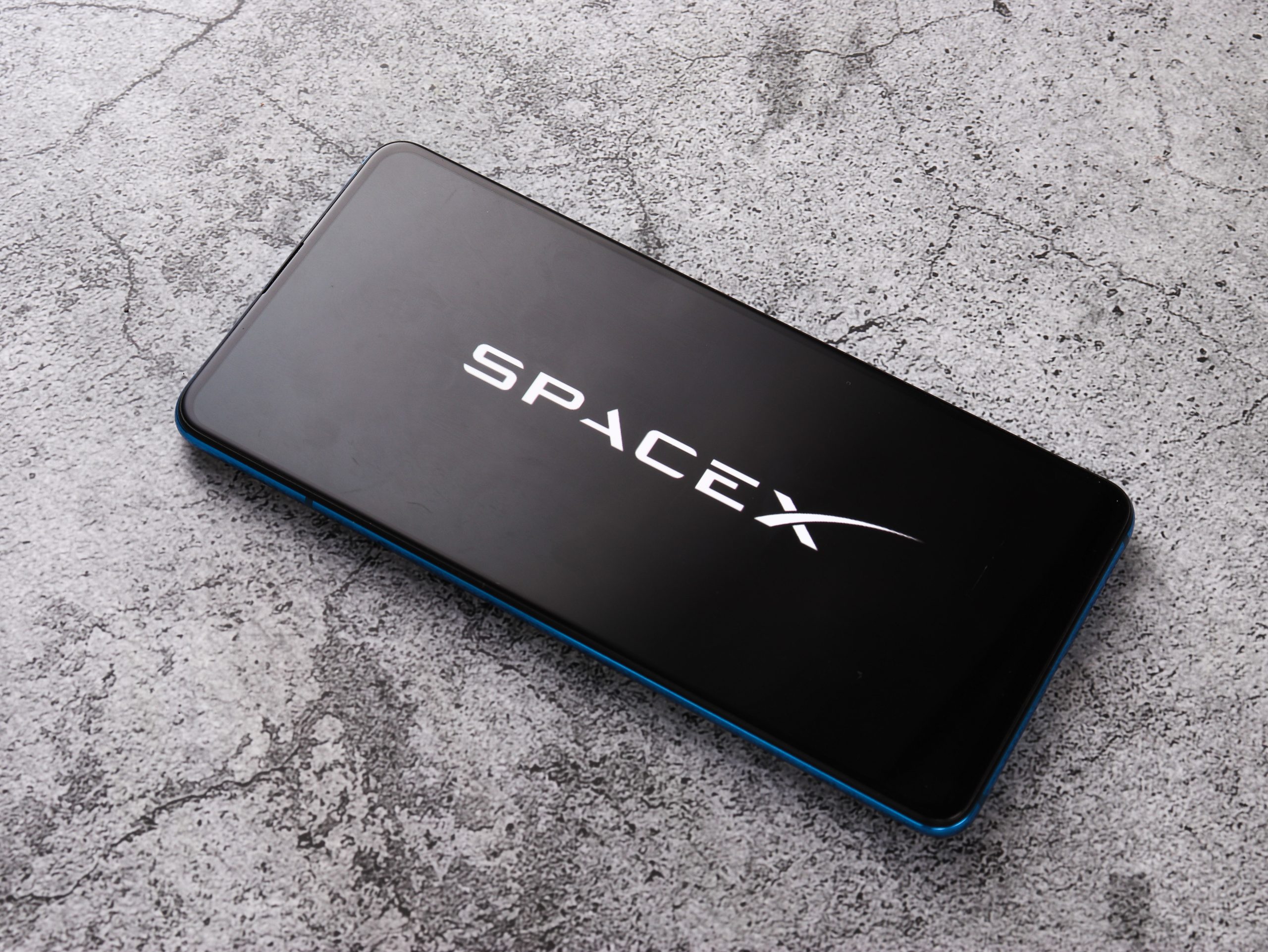
Global markets are closely monitoring SpaceX’s evolving strategic direction as speculation builds around a potential public listing. Recent remarks attributed to Elon Musk suggesting that future AI-enabled satellite systems will primarily utilize existing technologies rather than novel hardware development have added a new dimension to investor expectations. For global investors, including those in Israel, the shift raises important questions about valuation frameworks for space infrastructure companies transitioning toward AI-integrated business models.
AI Satellites Built on Existing Technology Stack
According to Musk’s comments, SpaceX’s future AI satellite systems are expected to rely heavily on established aerospace and communications technologies rather than requiring entirely new hardware architectures. This approach suggests a focus on software-driven intelligence layers built on top of existing satellite constellations, particularly Starlink.
From a financial perspective, this strategy carries implications for capital expenditure efficiency. By leveraging deployed infrastructure, SpaceX could potentially reduce incremental development costs while accelerating deployment timelines for AI-enabled services. The model reflects a broader industry trend in which artificial intelligence is increasingly layered onto existing systems rather than requiring full hardware reinvention.
This also positions SpaceX differently from traditional aerospace firms, where innovation cycles are typically hardware-intensive and capital-heavy.
IPO Expectations and Valuation Implications
Market attention around SpaceX has intensified as investors assess potential IPO scenarios. While no formal timeline has been confirmed, the integration of AI capabilities into satellite networks is seen as a potential value-creation catalyst.
The emphasis on existing technology could influence how investors evaluate future growth prospects. Instead of pricing in high research and development risk, markets may increasingly focus on scalability, recurring revenue potential, and margin expansion through software-enabled services.
For institutional investors, the key question is whether SpaceX should be valued primarily as a space infrastructure operator or as a hybrid AI-communications platform. This distinction could significantly impact valuation multiples in a public market environment.
Convergence of AI, Satellites, and Global Connectivity
The strategic direction outlined by Musk reflects a broader convergence between artificial intelligence and satellite-based communications infrastructure. As global demand for real-time data processing and low-latency connectivity increases, satellite networks are becoming critical nodes in distributed AI ecosystems.
Starlink’s existing global coverage provides a foundation for potential AI-driven applications such as autonomous navigation support, remote sensing analytics, and edge-based machine learning deployment. By embedding AI functionality into satellite systems, SpaceX could position itself at the intersection of multiple high-growth technology sectors.
At the same time, competition is intensifying from other satellite operators and cloud infrastructure providers exploring similar integration strategies, suggesting that execution speed will be a key differentiator.
Outlook: Infrastructure Efficiency and AI Integration in Focus
Looking ahead, investor attention will likely center on how effectively SpaceX can integrate AI capabilities into its existing satellite infrastructure without significantly increasing capital intensity. Any formal IPO-related disclosures will further shape expectations around revenue structure, margin trajectory, and long-term scalability.
Key risks include technological execution challenges, regulatory constraints in global satellite operations, and competitive pressure from both aerospace and cloud computing players. On the opportunity side, successful integration of AI into satellite networks could unlock new revenue streams across connectivity, data analytics, and enterprise services.
For global investors, including those in Israel, the evolving narrative underscores a broader shift in technology markets: value creation is increasingly driven not by standalone innovation, but by the strategic layering of AI capabilities onto existing global infrastructure networks.
Comparison, examination, and analysis between investment houses
Leave your details, and an expert from our team will get back to you as soon as possible
* This article, in whole or in part, does not contain any promise of investment returns, nor does it constitute professional advice to make investments in any particular field.
To read more about the full disclaimer, click here
- orshu
- •
- 7 Min Read
- •
- ago 10 hours
SKN | European Markets Finish Mixed as Northern Europe Holds Firm While Germany Extends Weakness
European markets closed with mixed results on June 08, as investors balanced optimism toward select regional equities against persistent
- ago 10 hours
- •
- 7 Min Read

European markets closed with mixed results on June 08, as investors balanced optimism toward select regional equities against persistent
- orshu
- •
- 7 Min Read
- •
- ago 14 hours
SKN | U.S. Markets Advance as Technology Stocks Rally While Small Caps Face Sharp Selling Pressure
U.S. equity markets traded with a mixed but generally constructive tone on June 08, as investors favored large-cap technology
- ago 14 hours
- •
- 7 Min Read

U.S. equity markets traded with a mixed but generally constructive tone on June 08, as investors favored large-cap technology

- Lior mor
- •
- 7 Min Read
- •
- ago 24 hours
SKN | Will China’s New Outbound Investment Crackdown Trigger Market Disruption or Stability?
China has moved to clarify that its intensified scrutiny of “illegal” outbound investment activities will not result in forced liquidation
- ago 24 hours
- •
- 7 Min Read
China has moved to clarify that its intensified scrutiny of “illegal” outbound investment activities will not result in forced liquidation

- Ronny Mor
- •
- 7 Min Read
- •
- ago 1 day
SKN | Could SpaceX Be Preparing a Strategic AI Acquisition Instead of a Tesla Merger?
SpaceX has once again become the center of market speculation as investors assess potential long-term strategic moves involving Elon Musk’s
- ago 1 day
- •
- 7 Min Read
SpaceX has once again become the center of market speculation as investors assess potential long-term strategic moves involving Elon Musk’s



