





- orshu
- •
- 7 Min Read
- •
- 2 hours ago
Key Points
- The FTSE 100 recorded the steepest decline among major European benchmarks, reflecting pressure on the U.K. market despite relatively stable regional sentiment.
- The DAX, MSCI Europe, and EURO STOXX 50 also closed lower, while the CAC 40 and Euronext 100 managed modest gains.
- The Euro Index and British Pound Index strengthened, suggesting currency markets remained relatively stable even as equity performance diverged across Europe.
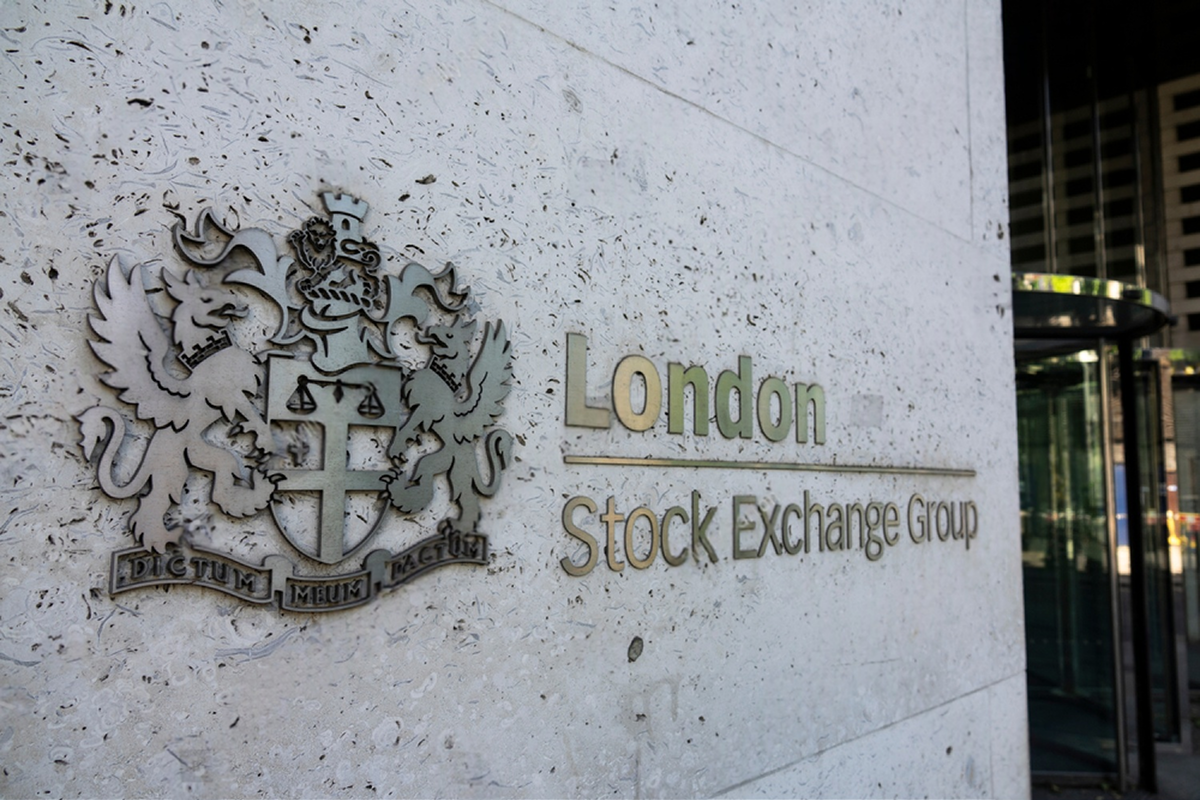
European markets closed with mixed performance on June 09 as investors weighed economic prospects, corporate developments, and monetary policy expectations across the region. While some continental benchmarks managed modest gains, weakness in Germany and the United Kingdom weighed on overall market sentiment, highlighting a selective rather than broad-based investment environment.
The session demonstrated that investors continue to differentiate between individual markets and sectors instead of adopting a unified view toward European equities. Meanwhile, modest appreciation in regional currencies provided some indication that confidence in the broader financial environment remains intact despite uneven stock performance.
FTSE 100 Faces the Sharpest Decline While Germany Remains Under Pressure
The FTSE 100 posted the largest decline among the indices presented, falling 1.41% to 10,227.33. The weakness suggests investors reduced exposure to several large-cap U.K. companies, many of which operate globally across sectors such as energy, financial services, mining, and consumer goods. The decline may also reflect profit-taking following previous gains and continued caution surrounding the economic outlook.
Germany’s DAX also remained under pressure, declining 0.74% to 24,433.06. As Europe’s largest economy, Germany often serves as a barometer for regional industrial activity and export performance. Continued weakness in the DAX indicates that investors remain cautious regarding manufacturing trends, global demand, and economic growth prospects.
Meanwhile, the broader MSCI Europe Index fell 0.49% to 2,716.30, suggesting selling pressure extended across multiple European markets rather than remaining isolated to one country. The decline points to a generally defensive tone among institutional investors.
Continental Benchmarks Show Selective Areas of Stability
Despite weakness in several major indices, some continental benchmarks managed to finish in positive territory. France’s CAC 40 edged higher by 0.05% to 8,203.43, indicating relatively balanced investor sentiment within one of Europe’s largest equity markets.
The Euronext 100 Index also advanced 0.03% to 1,865.59. Although the gain was modest, it demonstrates that investors continued allocating capital toward diversified multinational companies operating across numerous European economies.
The EURO STOXX 50, representing many of the eurozone’s largest publicly traded corporations, slipped 0.21% to 6,049.74. The relatively limited decline suggests that while investors exercised caution, broad risk aversion did not dominate trading across the region.
The mixed performance across benchmarks illustrates an increasingly selective investment landscape where sector composition, company fundamentals, and country-specific economic conditions are becoming more influential drivers of returns.
Currency Strength Offers a More Constructive Signal
Unlike the mixed equity market, currency indicators moved modestly higher during the session. The British Pound Index rose 0.22% to 133.80, while the Euro Index increased 0.11% to 115.47. Although the gains were relatively small, they suggest that investors maintained confidence in European currencies despite uneven stock market performance.
A stronger euro and pound can reflect expectations regarding monetary policy, capital flows, and economic resilience. Stable currencies may also support international investor confidence by reducing concerns about exchange-rate volatility.
For global investors, including those in Israel, currency movements remain an important component of portfolio performance because fluctuations in exchange rates can influence returns on overseas investments. The relative stability observed in European currencies may therefore provide some offset to equity market volatility.
Looking ahead, investors will closely monitor upcoming inflation reports, manufacturing data, employment indicators, and communications from the European Central Bank and the Bank of England. Markets will also assess whether Germany’s economy can regain momentum and whether broader corporate earnings continue to support valuations. If economic indicators improve and inflation remains manageable, European equities could attract renewed institutional interest. However, persistent weakness in key benchmarks such as the FTSE 100 and DAX, combined with slowing growth expectations or geopolitical uncertainty, could maintain a cautious investment environment as June progresses.
Comparison, examination, and analysis between investment houses
Leave your details, and an expert from our team will get back to you as soon as possible
* This article, in whole or in part, does not contain any promise of investment returns, nor does it constitute professional advice to make investments in any particular field.
To read more about the full disclaimer, click here
- orshu
- •
- 8 Min Read
- •
- ago 3 hours
SKN | Tel Aviv Stocks Extend Decline as Broad Selling Pressure Pushes TA-125 Near Weekly Lows
Israeli equities closed lower on Tuesday, June 9, 2026, as selling pressure intensified across nearly every major market segment. The
- ago 3 hours
- •
- 8 Min Read

Israeli equities closed lower on Tuesday, June 9, 2026, as selling pressure intensified across nearly every major market segment. The

- Lior mor
- •
- 9 Min Read
- •
- ago 4 hours
SKN | Chips Under Fire: Wall Street Rebounds From AI Rout Amid Middle East Clashes and Looming Blockbuster IPO
Wall Street closed in positive territory on the first day of the trading week, as major equity benchmarks successfully rebounded
- ago 4 hours
- •
- 9 Min Read

Wall Street closed in positive territory on the first day of the trading week, as major equity benchmarks successfully rebounded

- Ronny Mor
- •
- 8 Min Read
- •
- ago 5 hours
SKN | Tectonic Liquidity Wave on Wall Street: How OpenAI’s Form S-1 Filing Re-Rates Institutional Multiples and Asset Portfolios
Systemic realignments across the artificial intelligence architecture are reaching a definitive monetary inflection point in the second week of June
- ago 5 hours
- •
- 8 Min Read

Systemic realignments across the artificial intelligence architecture are reaching a definitive monetary inflection point in the second week of June
- orshu
- •
- 7 Min Read
- •
- ago 5 hours
SKN | U.S. Markets Advance Broadly as Small Caps Lead While Volatility and Dollar Retreat
U.S. financial markets traded higher on June 09 as investors embraced a broader risk-on environment, pushing most major benchmarks
- ago 5 hours
- •
- 7 Min Read
U.S. financial markets traded higher on June 09 as investors embraced a broader risk-on environment, pushing most major benchmarks


