





- Ronny Mor
- •
- 6 Min Read
- •
- 4 hours ago
Key Points
- BYD expects electric and plug-in hybrid vehicles to account for up to 80% of China’s vehicle sales in the coming years.
- China continues to lead the global EV transition, supported by scale, technology innovation, and competitive pricing.
- The forecast underscores growing pressure on global automakers to adapt to rapidly changing consumer preferences.
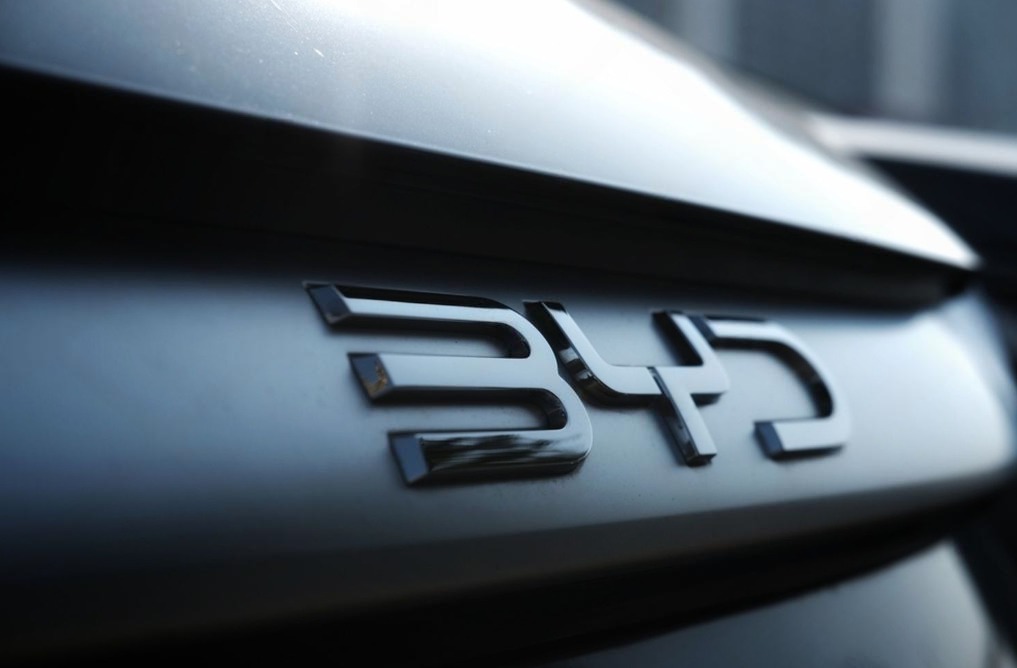
China’s electric vehicle market is entering a new phase of maturity, with industry leader BYD forecasting that electrified vehicles could soon represent approximately 80% of total domestic car sales. The projection highlights the speed of China’s automotive transformation and reinforces the country’s position as the world’s largest and most influential EV market.
The outlook comes as global automakers navigate slowing demand in some Western markets, rising trade tensions, and increasing competition from Chinese manufacturers that continue to gain scale and technological advantages.
China’s EV Adoption Continues to Outpace Global Markets
China has already established itself as the dominant force in electric mobility, accounting for a substantial share of global EV production and sales. Strong government support, widespread charging infrastructure, and intense competition among domestic manufacturers have accelerated consumer adoption beyond levels seen in most developed economies.
BYD’s forecast suggests that internal combustion engine vehicles may gradually become a minority segment of China’s automotive market. Such a transition would represent one of the fastest industrial transformations in modern transportation history and could reshape global supply chains for batteries, semiconductors, and critical minerals.
BYD Strengthens Its Leadership Position
As China’s largest electric vehicle manufacturer, BYD has emerged as a key beneficiary of the country’s shift toward electrification. The company continues expanding its product portfolio across multiple price segments while increasing exports to Europe, Latin America, Southeast Asia, and the Middle East.
The company’s optimistic outlook reflects confidence in both domestic demand and continued technological improvements. Falling battery costs, enhanced vehicle range, and expanding charging networks have improved the value proposition for consumers. However, competitive pressures remain intense, with dozens of manufacturers competing for market share in what remains one of the world’s most dynamic automotive sectors.
Global Implications for Automakers and Investors
The prospect of EVs capturing 80% of China’s vehicle market carries implications well beyond Asia. Global manufacturers increasingly depend on China for growth, technology partnerships, and production efficiencies. Companies that fail to adapt to China’s evolving market dynamics may face growing competitive challenges both domestically and internationally.
For Israeli investors, the trend highlights broader opportunities and risks across sectors linked to electrification, including battery technology, semiconductors, energy infrastructure, and advanced manufacturing. The rapid expansion of EV adoption may also influence commodity demand, particularly for lithium, nickel, copper, and rare-earth materials.
Outlook: The trajectory of China’s EV market remains positive, but investors should monitor several factors that could influence the pace of adoption, including economic growth, consumer spending trends, government incentives, trade restrictions, and competitive pricing pressures. While BYD’s projection points toward continued industry expansion, professional investors are likely to focus on whether profitability can keep pace with volume growth as competition intensifies. Potential downside risks include global tariff disputes, supply-chain disruptions, and slower-than-expected consumer demand. Nevertheless, China’s leadership in electric mobility appears increasingly entrenched, positioning the sector as a central theme within global transportation and technology markets over the coming decade.
Comparison, examination, and analysis between investment houses
Leave your details, and an expert from our team will get back to you as soon as possible
* This article, in whole or in part, does not contain any promise of investment returns, nor does it constitute professional advice to make investments in any particular field.
To read more about the full disclaimer, click here
- omer bar
- •
- 6 Min Read
- •
- ago 21 minutes
SKN | Semiconductor Stocks Extend Rebound as Micron and Marvell Lead AI-Driven Recovery
The semiconductor sector extended its recovery this week, with Micron Technology and Marvell Technology emerging as standout performers for
- ago 21 minutes
- •
- 6 Min Read
The semiconductor sector extended its recovery this week, with Micron Technology and Marvell Technology emerging as standout performers for

- sagi habasov
- •
- 6 Min Read
- •
- ago 2 hours
SKN | Apple’s WWDC Fails to Reignite AI Enthusiasm as Investors Seek Clearer Growth Catalysts
Apple's annual Worldwide Developers Conference (WWDC) was expected to provide greater clarity on the company's artificial intelligence roadmap. Instead,
- ago 2 hours
- •
- 6 Min Read

Apple's annual Worldwide Developers Conference (WWDC) was expected to provide greater clarity on the company's artificial intelligence roadmap. Instead,

- Lior mor
- •
- 8 Min Read
- •
- ago 3 hours
SKN | OpenAI Files for IPO as AI Giants Race Toward Wall Street
OpenAI, the company behind ChatGPT, has filed confidential preliminary paperwork with the U.S. Securities and Exchange Commission, marking a significant
- ago 3 hours
- •
- 8 Min Read

OpenAI, the company behind ChatGPT, has filed confidential preliminary paperwork with the U.S. Securities and Exchange Commission, marking a significant

- orshu
- •
- 6 Min Read
- •
- ago 3 hours
SKN | Apple Pushes More Personal AI Strategy as Tech Giants Race for Consumer Adoption
Apple's latest artificial intelligence initiatives underscore a growing shift in the technology sector toward consumer-focused AI experiences. As global
- ago 3 hours
- •
- 6 Min Read

Apple's latest artificial intelligence initiatives underscore a growing shift in the technology sector toward consumer-focused AI experiences. As global


