






- sagi habasov
- •
- 7 Min Read
- •
- 28 seconds ago
Key Points
- Micron’s earnings highlighted strong AI-driven memory demand, reinforcing the semiconductor sector’s recovery narrative.
- Revenue growth across chipmakers remains uneven, with exposure to AI infrastructure increasingly separating winners from laggards.
- Investors are focusing on pricing trends, capital spending plans, and demand visibility for the remainder of the year.
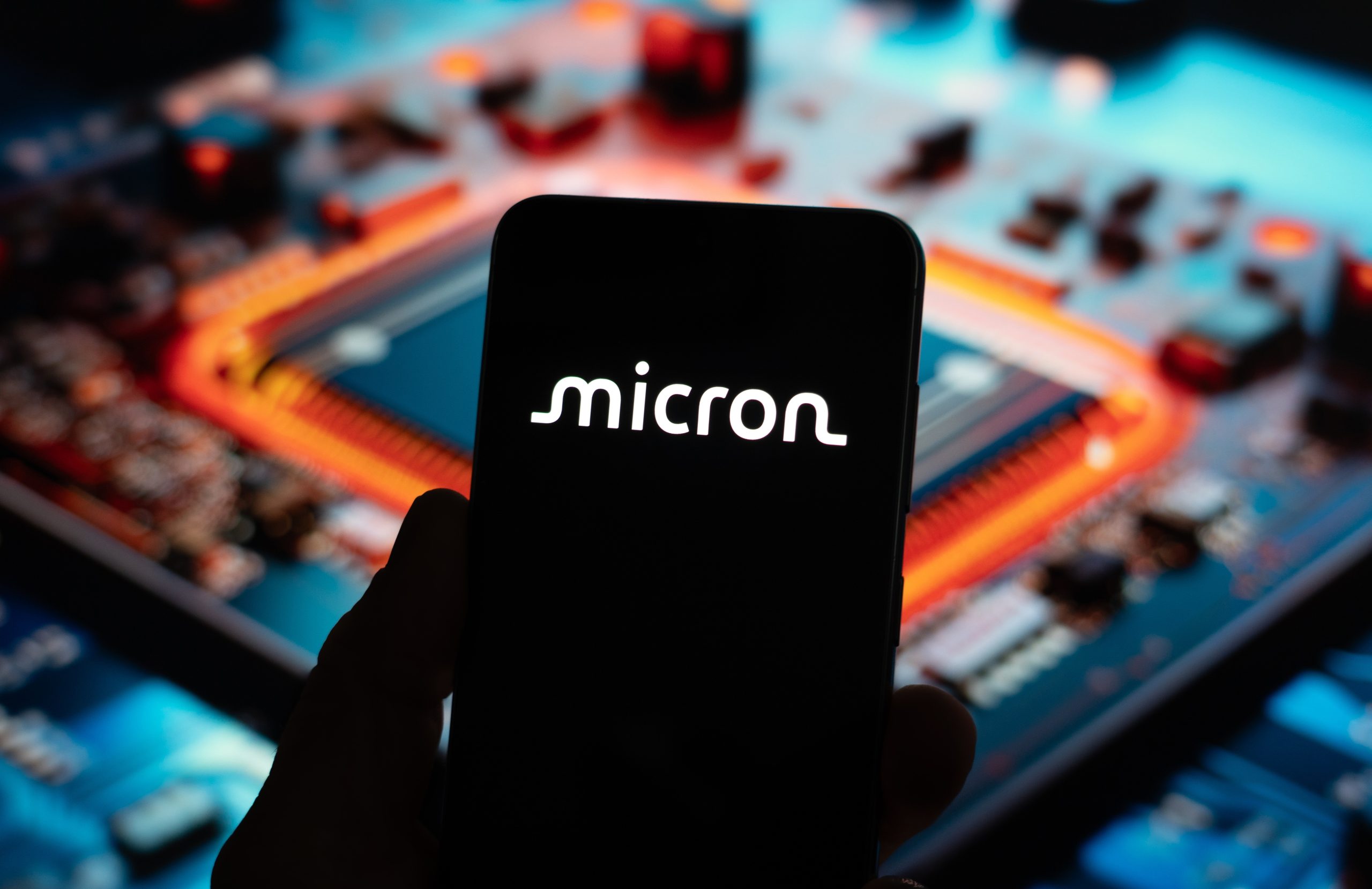
The first-quarter earnings season has provided investors with a clearer picture of the semiconductor industry’s evolving landscape. While artificial intelligence infrastructure spending continues to drive strong demand for advanced memory and data center products, not all semiconductor companies are benefiting equally. For global investors, including those in Israel, the latest results offer valuable insight into where growth is accelerating and where challenges remain.
Micron Emerges as a Key Beneficiary of the AI Boom
Micron Technology has become one of the most closely watched companies in the semiconductor sector due to its exposure to high-bandwidth memory (HBM) and advanced DRAM products used in artificial intelligence systems. The company’s recent earnings reinforced the view that AI-related demand is becoming a major driver of growth across the memory industry.
The recovery in memory pricing has also contributed to stronger financial performance. Following a prolonged downturn characterized by oversupply and weak demand, Micron has benefited from improving market conditions and tighter inventory levels. Investors have viewed this recovery as an important signal that the memory cycle may be entering a more sustainable phase.
At the same time, management commentary regarding future demand remains particularly important, as the pace of AI infrastructure deployment continues to influence expectations for memory consumption across global data centers.
Sector Performance Shows Growing Divergence
While AI-related companies have reported robust results, the broader semiconductor sector remains uneven. Chipmakers with direct exposure to data centers, advanced computing, and AI accelerators have generally outperformed peers tied to slower-growing end markets such as consumer electronics and traditional PCs.
This divergence highlights a structural shift within the industry. Companies supplying components for AI training clusters, cloud computing infrastructure, and advanced networking solutions continue to benefit from elevated capital spending by major technology firms. Meanwhile, businesses dependent on cyclical consumer demand face a more challenging operating environment.
The earnings season demonstrated that investors are increasingly rewarding companies with clear AI-related growth drivers while applying greater scrutiny to firms that remain dependent on slower recovery trends.
Margins, Capital Spending, and Inventory Trends Remain Critical
Beyond headline revenue growth, investors are closely examining profitability metrics throughout the semiconductor industry. Gross margins have become a key indicator of pricing power and operational efficiency, particularly following the supply-demand imbalances experienced over the past several years.
Capital expenditure plans are also attracting attention. Semiconductor manufacturers continue to invest heavily in advanced fabrication technologies, packaging capabilities, and memory production to meet anticipated future demand. However, these investments must be balanced against the risk of future oversupply.
Inventory levels remain another critical metric. Improvements in inventory normalization have supported earnings across several semiconductor companies, but investors continue to monitor whether demand remains strong enough to absorb expanding production capacity.
Outlook: Can AI Momentum Sustain the Semiconductor Rally?
Looking ahead, the semiconductor sector’s trajectory will depend heavily on the durability of AI-related spending and the broader global economic environment. Continued investment by hyperscale cloud providers and enterprise customers could support revenue growth across memory, networking, and advanced computing segments.
Key risks include slowing economic activity, weaker consumer electronics demand, and potential supply-demand imbalances if capacity expansion outpaces end-market growth. Geopolitical tensions and trade restrictions also remain important variables that could affect global semiconductor supply chains.
For investors worldwide, including those in Israel, the latest earnings season reinforces a central theme shaping the industry: artificial intelligence is increasingly becoming the primary growth engine for semiconductors, but long-term success will depend on how effectively companies convert that demand into sustainable profitability and disciplined expansion.
Comparison, examination, and analysis between investment houses
Leave your details, and an expert from our team will get back to you as soon as possible
* This article, in whole or in part, does not contain any promise of investment returns, nor does it constitute professional advice to make investments in any particular field.
To read more about the full disclaimer, click here
- orshu
- •
- 7 Min Read
- •
- ago 2 hours
SKN | Can AMD Reach a $1 Trillion Market Value in 2026? AI Growth and Semiconductor Demand Will Be the Ultimate Test
Advanced Micro Devices (NASDAQ: AMD) has emerged as one of the leading beneficiaries of the artificial intelligence revolution, transforming
- ago 2 hours
- •
- 7 Min Read
Advanced Micro Devices (NASDAQ: AMD) has emerged as one of the leading beneficiaries of the artificial intelligence revolution, transforming

- omer bar
- •
- 6 Min Read
- •
- ago 3 hours
SKN | as Investors A AT&T Shares Slip Despite Market Gainswait Earnings Update
AT&T Underperforms Broader Market AT&T shares closed at $22.50 in the latest trading session, falling 1.1% despite gains across major
- ago 3 hours
- •
- 6 Min Read

AT&T Underperforms Broader Market AT&T shares closed at $22.50 in the latest trading session, falling 1.1% despite gains across major

- Arik Arkadi Sluzki
- •
- 7 Min Read
- •
- ago 3 hours
SKN | Apple’s AI Siri Debut Failed to Impress Wall Street—Why Investors Focused on Execution Instead of Innovation
Apple Inc. introduced its latest artificial intelligence enhancements for Siri and its software ecosystem, yet the market's response was
- ago 3 hours
- •
- 7 Min Read

Apple Inc. introduced its latest artificial intelligence enhancements for Siri and its software ecosystem, yet the market's response was

- Lior mor
- •
- 7 Min Read
- •
- ago 3 hours
SKN | Shutterstock’s Q1 Results Reflect the Transformation of Online Marketplaces in the AI Era
Shutterstock (NYSE: SSTK) remains one of the most recognizable digital content marketplaces, connecting creators with businesses seeking images, videos, music,
- ago 3 hours
- •
- 7 Min Read

Shutterstock (NYSE: SSTK) remains one of the most recognizable digital content marketplaces, connecting creators with businesses seeking images, videos, music,



